What to Do with Old CDs: Save, Sell, Reuse or Recycle

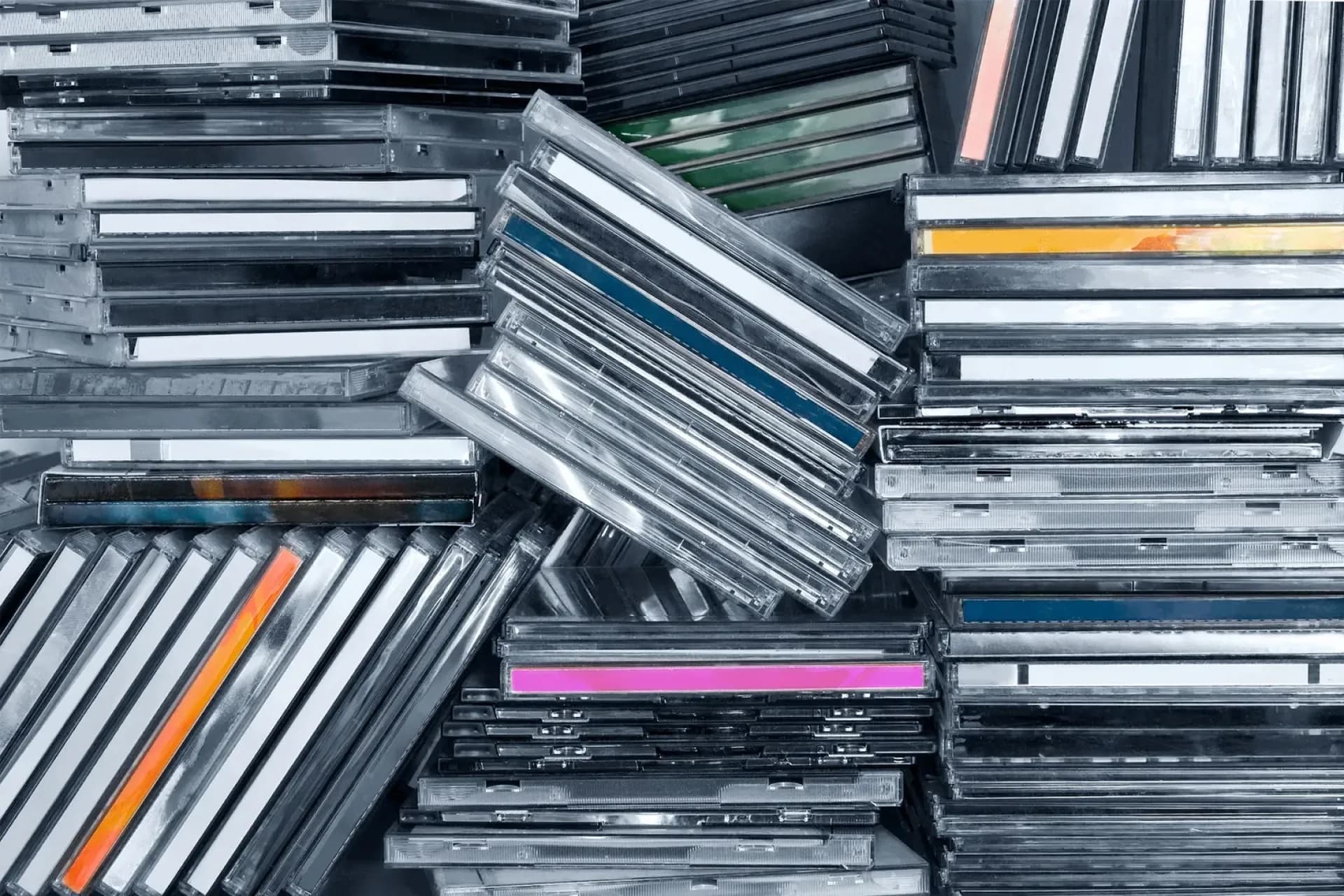
Space is precious in a Hong Kong flat, and a tower of CDs is one of the first things to go when you finally clear the cabinet under the TV. But before you sweep them into a rubbish bag, it is worth a few minutes of sorting. Some discs are the only copy of something you will want later, some can earn a little money, some can be reused, and the rest should be recycled properly rather than sent to landfill. Here is a simple way to decide.
Step 1: sort the pile into three groups
Discs you burned yourself. Anything handwritten with marker: "Wedding 2004", "Japan trip photos", "Dad's 60th", school work, scanned documents, VCDs from family events. These often hold files that exist nowhere else.
Shop-bought music, films and software. Printed labels, original cases and booklets.
Blanks and junk. Unused CD-Rs, free promotional discs, old driver and installation discs for devices you no longer own.
Deal with the first group first, because it is the only one where something irreplaceable can be lost.
Step 2: save what is on your own discs
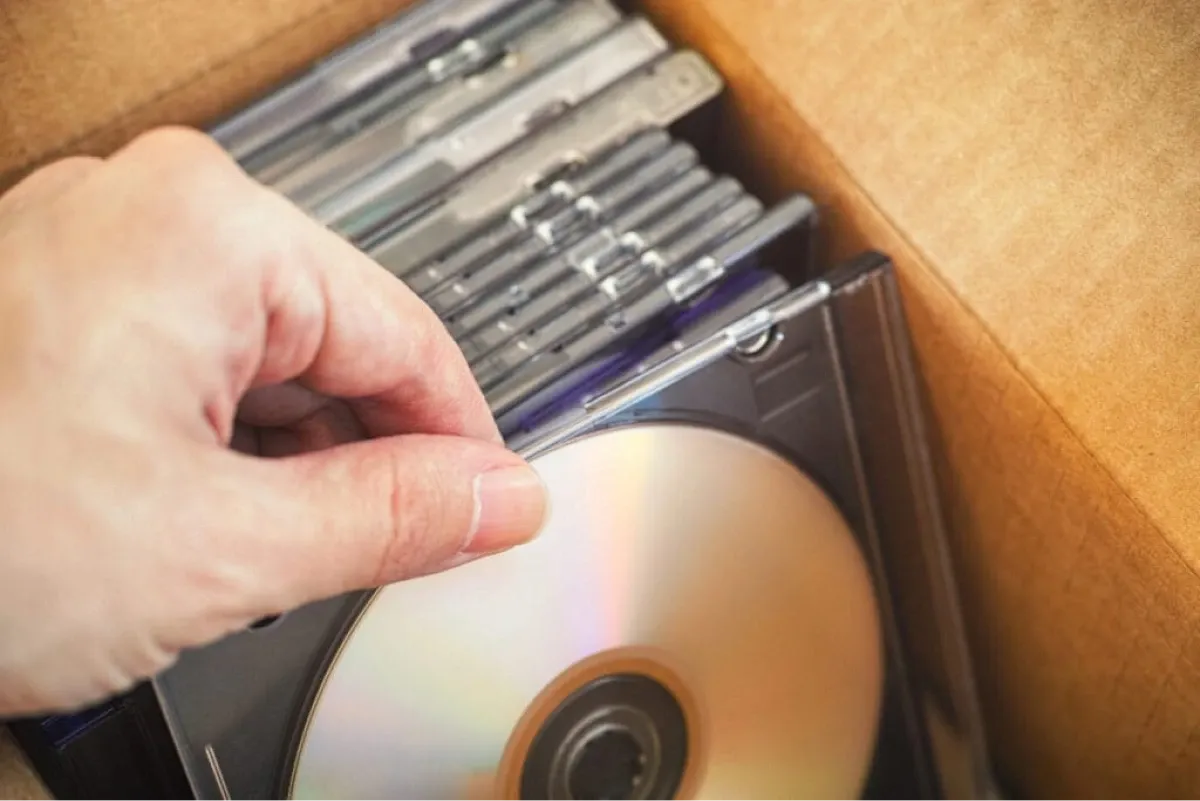
Recordable CDs store data in a thin dye layer that breaks down with heat, light and moisture. In Hong Kong's humid climate a disc burned twenty years ago may read only partly, or not at all. Signs of trouble are cloudy or bronze-coloured patches, tiny pinholes of light when you hold it up to a lamp, or a drive that spins for a long time and then gives up.
If you still have a computer with a disc drive, or a USB external drive, copy every folder to your computer, then make a second copy on a USB stick or in the cloud. Do it now rather than later: a disc that reads today may not next year. If a disc will not read, or there are dozens of them, a specialist can often recover more than a home drive can.
Step 3: sell or give away what others will want
Most mass-market CDs sell for very little, but some do have buyers:
Canto-pop and Japanese first pressings, limited editions and box sets
Albums never released on streaming
Complete sets in good condition, with booklets and undamaged cases
Search recent sold listings on Carousell or Facebook Marketplace to get a sense of prices before you list. Second-hand music shops may buy collections, especially of older or rarer titles. Selling a bundle at a fair price usually moves faster than listing discs one by one.
For discs with no resale value, ask whether a school, community centre, elderly centre or charity shop would like them. Audiobooks, language-learning discs and children's music are the most likely to be welcome. Call first, since many organisations no longer take media.
Step 4: reuse a few
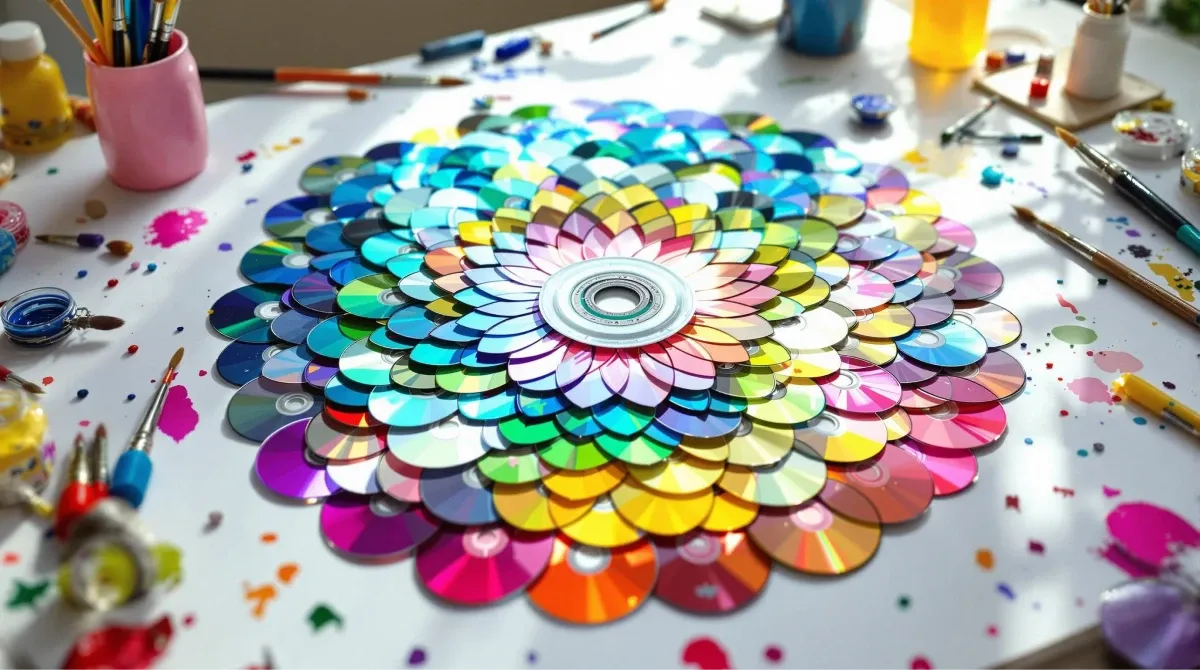
Old CDs are shiny, light and waterproof, which makes them surprisingly handy:
Bird scarers for a balcony or rooftop garden. String a few discs where they move in the wind; the flashing light keeps pigeons off plants.
Coasters: glue felt or cork to one side.
Reflectors for a bicycle or the end of a dark corridor.
Mosaic craft: cut into pieces (carefully, they can splinter) and stick onto photo frames, flower pots or school projects.
Cable spools: wrap a charging cable or a string of fairy lights around a disc to stop tangles.
Keep it to a few. A craft project is a good use for five discs, not five hundred.
Step 5: dispose of the rest responsibly
A CD is mostly polycarbonate plastic with a thin metal reflective layer, lacquer and printing ink. It does not belong in the ordinary plastics recycling bin, because the mixed materials need separate handling.
Community recycling points. GREEN@COMMUNITY stations accept a range of recyclables and some electronics. Check the current list of accepted items for your nearest station, or ask staff, before you bring a bag of discs.
Cases and inserts. Separate the paper booklets for paper recycling. Plastic jewel cases are a different type of plastic from the disc; ask the recycling point whether they take them.
Last resort. If no one will take them, they go in general waste. Keeping the number small by selling and reusing first makes the biggest difference.
Protect your privacy first
Old backup discs can hold ID scans, bank statements, tax files or private photos. Before giving away or throwing out any disc you burned yourself, make it unreadable: deep scratches across the data side from the centre to the edge, or cutting it in half with heavy scissors, are enough for a household disc. Wear gloves and eye protection, as edges can be sharp.
Quick answers
Can I put CDs in the plastic recycling bin?
No. Their mixed materials need separate processing. Use a recycling point that confirms it accepts discs.
Is it safe to keep CDs in storage instead?
Shop-bought discs last well if kept dry and upright. Home-burned discs are less reliable, so copy the files off even if you keep the disc.
What about old DVDs?
The same approach works: save your own recordings first, then sell, reuse or recycle.
Copy your discs before they go
If you have a box of home-burned CDs or DVDs full of photos, videos or documents, Capture HK can recover the files and return them on a USB or in Google Photos. Bring them to our Central or Lai Chi Kok store, or send them by SF Express. Learn more on our digital media page.
Capture Reviews
Related Articles
You may also like these articles

Capture · Our team
Any Questions?
Feel free to contact
our Memory Specialists
Not sure what format you have or how best to handle it? WhatsApp us and one of the team will take a look.
WhatsApp us