How to Watch 16mm Film at Home Without a Projector

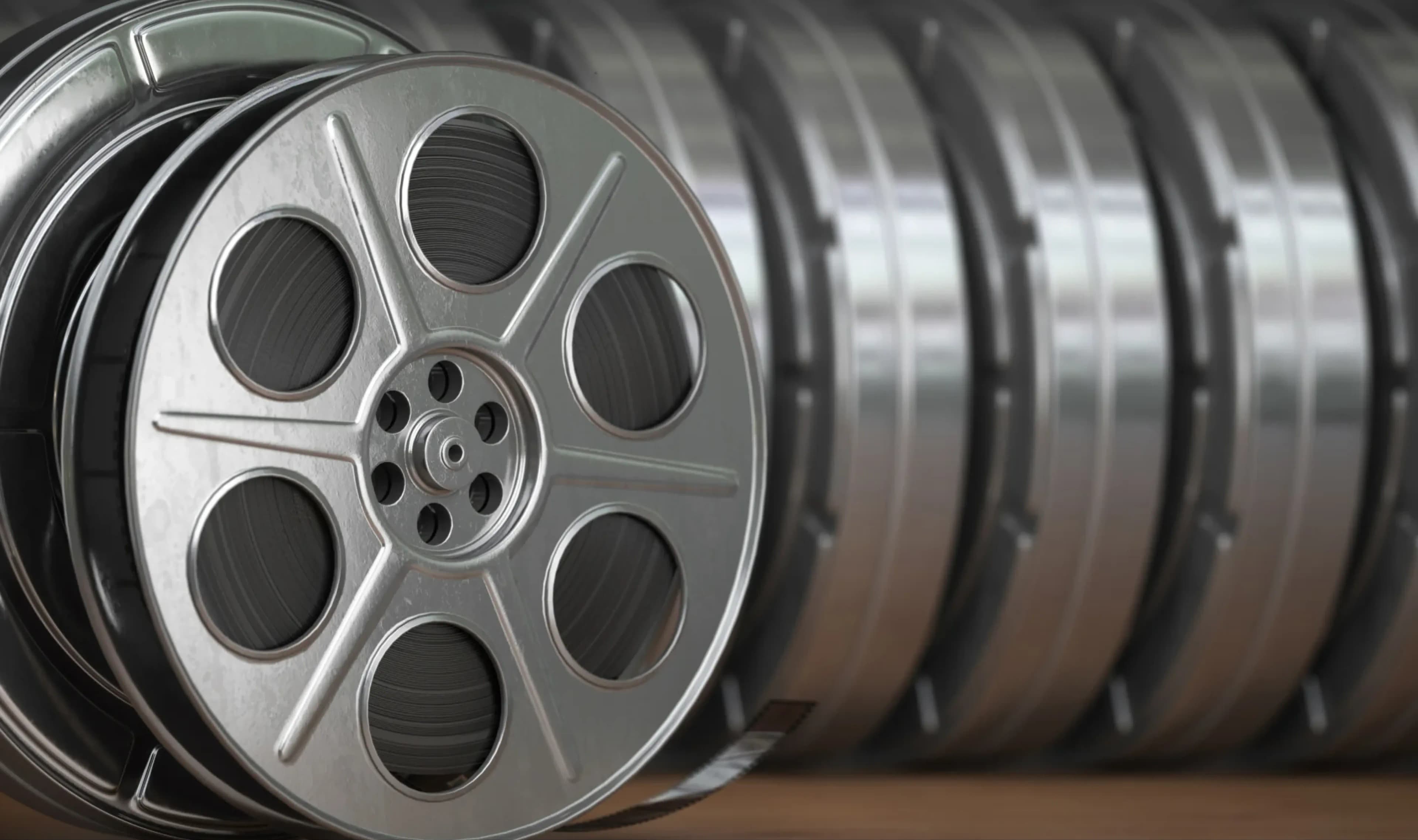
Reels of 16mm film tend to surface when a family clears out an older relative's flat: a few grey metal cans, labels in faded handwriting, and nobody with a projector. You may not even be sure what is on them. Kodak introduced 16mm in 1923 as a gauge for amateurs, and over the following decades it was used for everything from family holidays to school events and church films. The good news is that you don't need to track down a working projector to find out what your reels hold. Here are the realistic options, from a quick peek to a proper digital copy.
Before you start: check the film
Old film is more fragile than it looks, and Hong Kong's damp climate is hard on it. Open the can somewhere well ventilated and look for these warning signs:
A vinegar smell. Acetate film breaks down over time and gives off acetic acid. A strong smell means the film may be shrinking and turning brittle.
White or fuzzy patches. This is usually mould, common on reels stored in humid cupboards.
Stiff, curled or stuck layers. Don't force a reel that won't unwind easily.
Handle film by the edges, ideally wearing cotton or nitrile gloves, and never run damaged film through any machine. If you see any of the signs above, skip to the section on professional transfer.
Is it really 16mm?
Many family films are 8mm or Super 8, which are much narrower. 16mm is roughly twice as wide as 8mm and usually comes on larger reels. Silent 16mm film has sprocket holes along both edges; sound film has holes on one edge only, with a soundtrack stripe along the other.
Option 1: A film editor or viewer

Film editors (sometimes called editing viewers) were made for cutting and splicing film. You load the reel on one arm, thread the film through a small illuminated screen, and wind it onto the take-up reel by hand or with a motor. The picture appears on the screen as the film moves, so you see real motion, not just single frames.
Because they haven't been made for decades, you will have to look for second-hand units online or in shops dealing in old photographic equipment, such as those around Sham Shui Po. Check that the model takes 16mm, since many were made only for 8mm. Wind slowly and keep the film path clean: a worn or dirty viewer can scratch every frame it touches.
Good for: seeing moving pictures, checking reels quickly, simple splicing
Watch out for: machines in poor condition, no sound, a small screen
Option 2: A lightbox

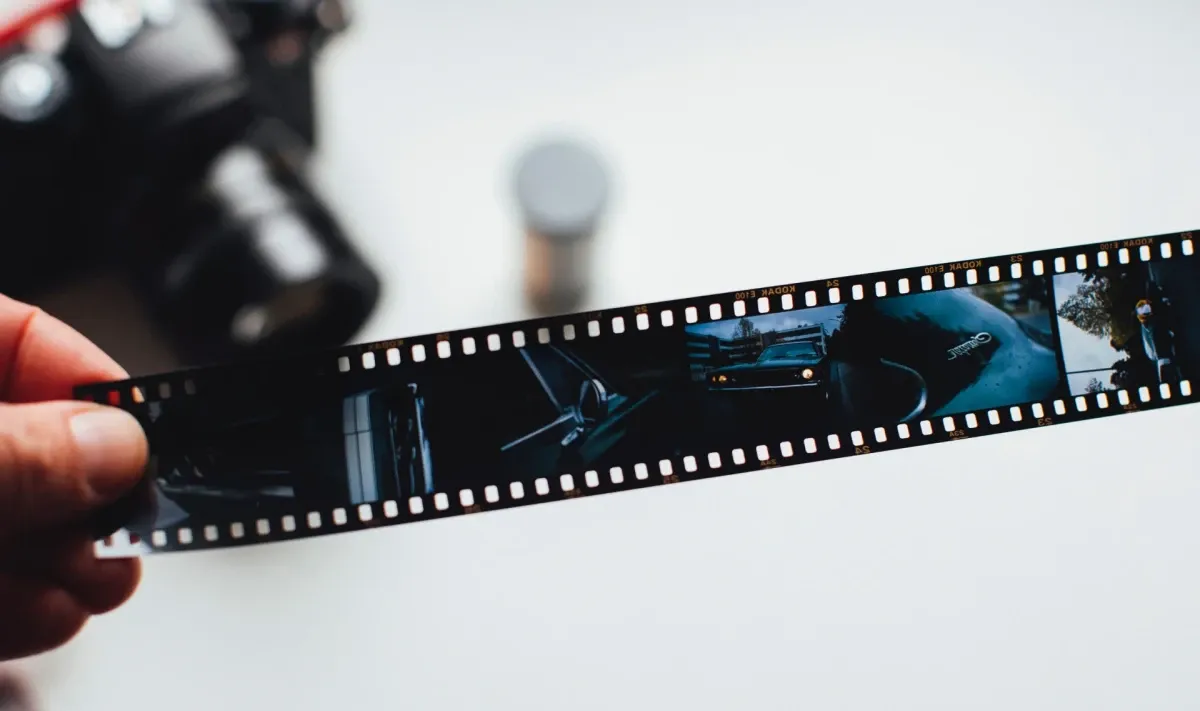
A lightbox, or even a tablet screen turned to full brightness with a plain white image, will light the film from behind so you can see individual frames. It is the cheapest way to identify what is on a reel: unwind a short section over the light and look for faces, places and title cards.
Good for: a quick, inexpensive look
Watch out for: one frame at a time only, no motion, tiny images without magnification
Option 3: A magnifier or loupe

16mm frames are small, so pair the lightbox with a magnifier. A photographer's loupe of around 8x to 10x, or a magnifier with its own light, makes faces and details readable. This won't let you watch a film, but it is enough to decide whether a reel is a family wedding or a stranger's travelogue, and therefore whether it is worth digitising.
Good for: identifying content cheaply
Watch out for: slow going, eye strain, only one viewer
Option 4: Photograph frames with your phone
Lay the film on a lightbox, set your phone or camera on a steady stand directly above it, and photograph individual frames. Use the camera's macro mode if it has one, and turn off the room lights to avoid reflections. You will get stills you can share in the family group chat, which is often enough to jog memories about who and where.
Good for: sharing a few stills quickly at no extra cost
Watch out for: glare, dust and scratches show clearly; turning stills into video is very time-consuming
Option 5: A home film scanner

Home film scanners that turn reels into video files exist, but most consumer models are designed for 8mm and Super 8 only. Equipment that takes 16mm is far less common and generally more expensive, so it rarely makes sense for a handful of family reels. If you do find one, check that it handles your reel size and whether it can capture a soundtrack.
Good for: people with many reels and plenty of time
Watch out for: cost, limited 16mm options, slow frame-by-frame capture, no sound on many models
Option 6: Rent a projector or a screening room

If you want to watch the films as they were meant to be seen, for a family reunion perhaps, you could look for someone who rents out a 16mm projector, or a venue with one. These are hard to find in Hong Kong, so expect to search around. Bear in mind that a projector running old, dry film is risky, and a screening leaves you with no copy afterwards.
Good for: a one-off event with the full projected experience
Watch out for: availability, cost each time, risk to fragile film, nothing preserved
Option 7: Have the film digitised
For most families, this is the option that answers the real question, which is not just "what's on this reel?" but "how do we all keep watching it?" A professional transfer captures every frame on equipment designed for the gauge, and gives you a video file you can play on a phone, a laptop or a smart TV, share with relatives overseas and keep backed up.
When comparing services, ask:
Do they handle 16mm, and both silent and sound film?
What file format and resolution will you receive?
Is the work done locally, or are your reels shipped elsewhere?
How will they handle film that is mouldy, brittle or smells of vinegar?
Keep the reels safe in the meantime
Store film cans flat in a cool, dry place, away from outside walls and the floor. A dehumidifier or a dry cabinet (防潮箱) helps a great deal in Hong Kong's humid months. Keep a reel with a vinegar smell apart from the others, as the breakdown can spread to film stored close by.
Digitising 16mm film with Capture HK
Capture HK digitises 16mm film: HK$1,600 per reel for silent film and HK$2,400 for sound. You can drop your reels at our Central or Lai Chi Kok store, book a door-to-door collection or send them by SF Express. We also handle 8mm and Super 8 if your family filmed on more than one gauge. See the details on our film digitisation page, or get a free quote.
Capture Reviews
Related Articles
You may also like these articles

Capture · Our team
Any Questions?
Feel free to contact
our Memory Specialists
Not sure what format you have or how best to handle it? WhatsApp us and one of the team will take a look.
WhatsApp us