When Was the Video Camera Invented? A Timeline from Film to Smartphone

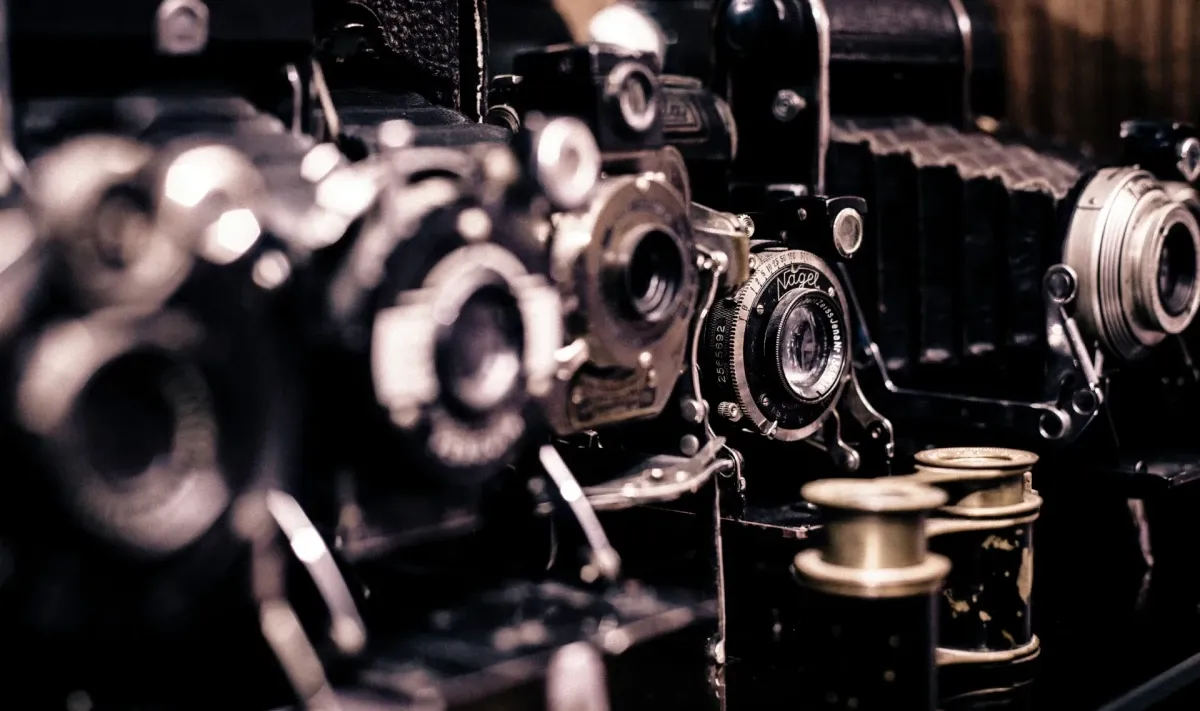
Today almost everyone in Hong Kong carries a video camera in their pocket, and filming a child's first steps or a dim sum lunch with grandparents takes one tap. It took well over a century of invention to get here. There is no single date for "the invention of the video camera", because the story runs through several technologies: moving film, electronic television cameras, videotape, the home camcorder and finally digital sensors. This timeline walks through each stage, so you can see where the tapes and reels in your own cupboard fit in.
The short answer
1880s–1890s: the first motion picture cameras record moving images on film.
1920s–1930s: electronic television cameras turn a live scene into an electrical signal.
1956: Ampex demonstrates the first practical videotape recorder, so TV pictures can be stored and replayed.
1967: Sony's Portapak makes portable video recording possible for individuals.
1983–1985: the first consumer camcorders combine camera and recorder in one unit.
1990s–2000s: digital camcorders, then cameras built into mobile phones.
Stage 1: capturing motion on film

Before anyone could record video, inventors had to work out how to capture movement at all. In the late 1870s, the photographer Eadweard Muybridge used rows of still cameras to photograph a galloping horse, and in 1879 he built the zoopraxiscope to project such sequences as moving images.
In 1888, Louis Le Prince filmed a few seconds of people walking in a garden in Leeds, England. Known as the Roundhay Garden Scene, it is often described as the oldest surviving motion picture. In the early 1890s, William Kennedy Laurie Dickson, working in Thomas Edison's laboratory, developed the Kinetograph camera, and in 1895 the Lumière brothers in France began screening films to paying audiences with their Cinématographe.
These were film cameras, not video cameras: the image was stored chemically on strips of film that had to be developed. That line of technology later gave families 8mm and Super 8 home movie cameras.
Stage 2: the electronic camera
Video is different from film because the picture is turned into an electrical signal. Early mechanical television systems in the 1920s used a spinning perforated disc, the Nipkow disc, to scan a scene line by line. The Scottish inventor John Logie Baird demonstrated television this way, and in the late 1920s he even recorded TV signals onto discs with a system he called Phonovision, although there was no practical way to play them back as pictures at the time.
By the 1930s, all-electronic camera tubes had replaced spinning discs, and live television broadcasting began in several countries. For the next two decades, however, most TV was live: the camera could send a picture, but nothing could easily store it.
Stage 3: videotape
The breakthrough came in 1956, when the American company Ampex demonstrated the VRX-1000, a videotape recorder that stored television pictures on two-inch-wide magnetic tape. The machines were huge and expensive, and only broadcasters used them, but recorded television had arrived.
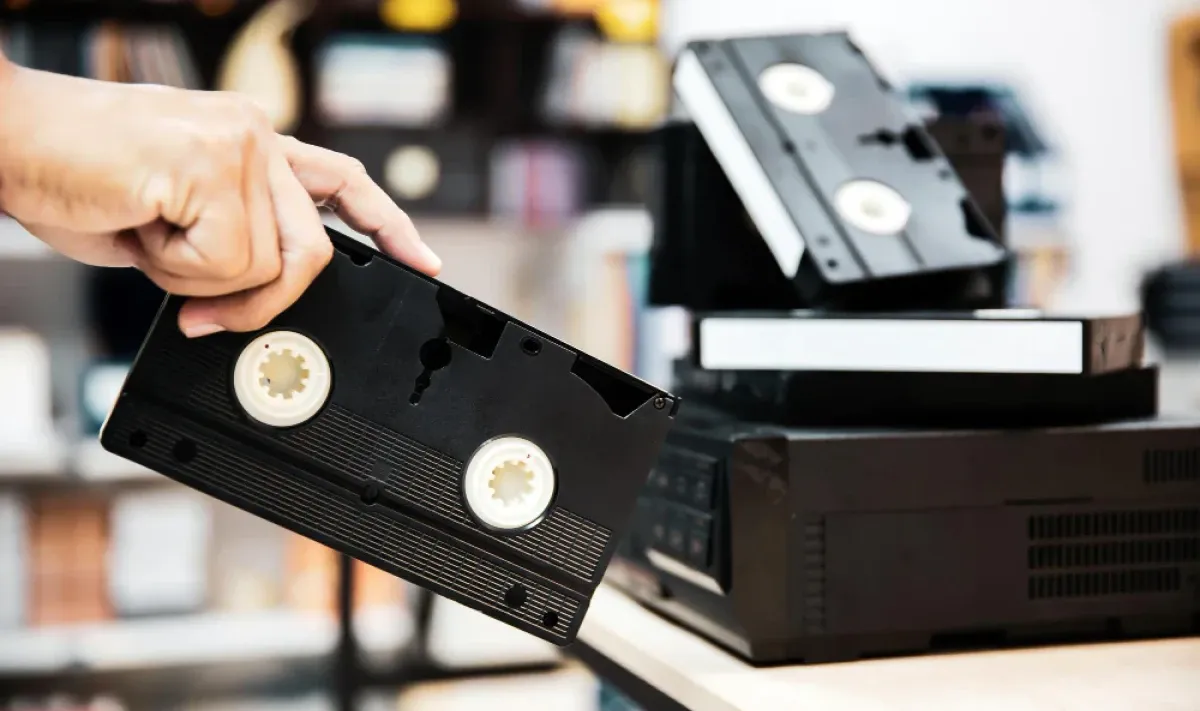
Over the following decades, videotape got smaller and cheaper. Sony's Portapak, launched in 1967, paired a portable camera with a battery-powered recorder that one person could carry, and it was quickly taken up by artists and documentary makers. In the 1970s, videocassettes such as U-matic, Betamax and VHS sealed the tape inside a plastic shell, bringing video recorders into homes.
Stage 4: the home camcorder

Until the early 1980s, filming home video usually meant a camera connected by a cable to a separate recorder. The camcorder put both in one body. Sony's Betamovie, released in 1983, was one of the first consumer camcorders, and JVC soon followed with compact VHS-C models. In 1985, Sony launched Video8 camcorders under the Handycam name, small enough to hold in one hand.
This is the era many Hong Kong families remember: a parent with a camcorder at a school sports day, a cousin's wedding banquet at a Chinese restaurant, or the family's Lunar New Year visits. Through the late 1980s and 1990s, image sensors called CCDs replaced the old camera tubes, making camcorders lighter and better in low light, and Hi8 improved on Video8's picture quality.
Stage 5: digital

In the mid-1990s, the DV format, and the small MiniDV cassette in particular, began recording video as digital data rather than an analogue signal. Copies no longer lost quality, and footage could be edited on a home computer. Sony's Digital8 offered digital recording on the familiar 8mm-size cassettes. In the 2000s, camcorders moved on to DVD discs, hard drives and memory cards, and to high definition.
At the same time, mobile phones gained cameras. The first camera phones appeared in Japan around 2000, and within a decade most phones could record video. For most families, the smartphone has now replaced the camcorder entirely.
Beyond home movies
Video cameras changed much more than family life. Videotape made television news faster and cheaper to produce, as crews could record on location and edit the same day. Closed-circuit cameras became a standard part of security in shops, buildings and on roads. And the easy, reusable nature of video, compared with film that had to be bought and developed for every shot, made filmmaking accessible to students and amateurs long before smartphones.
Where your old recordings fit

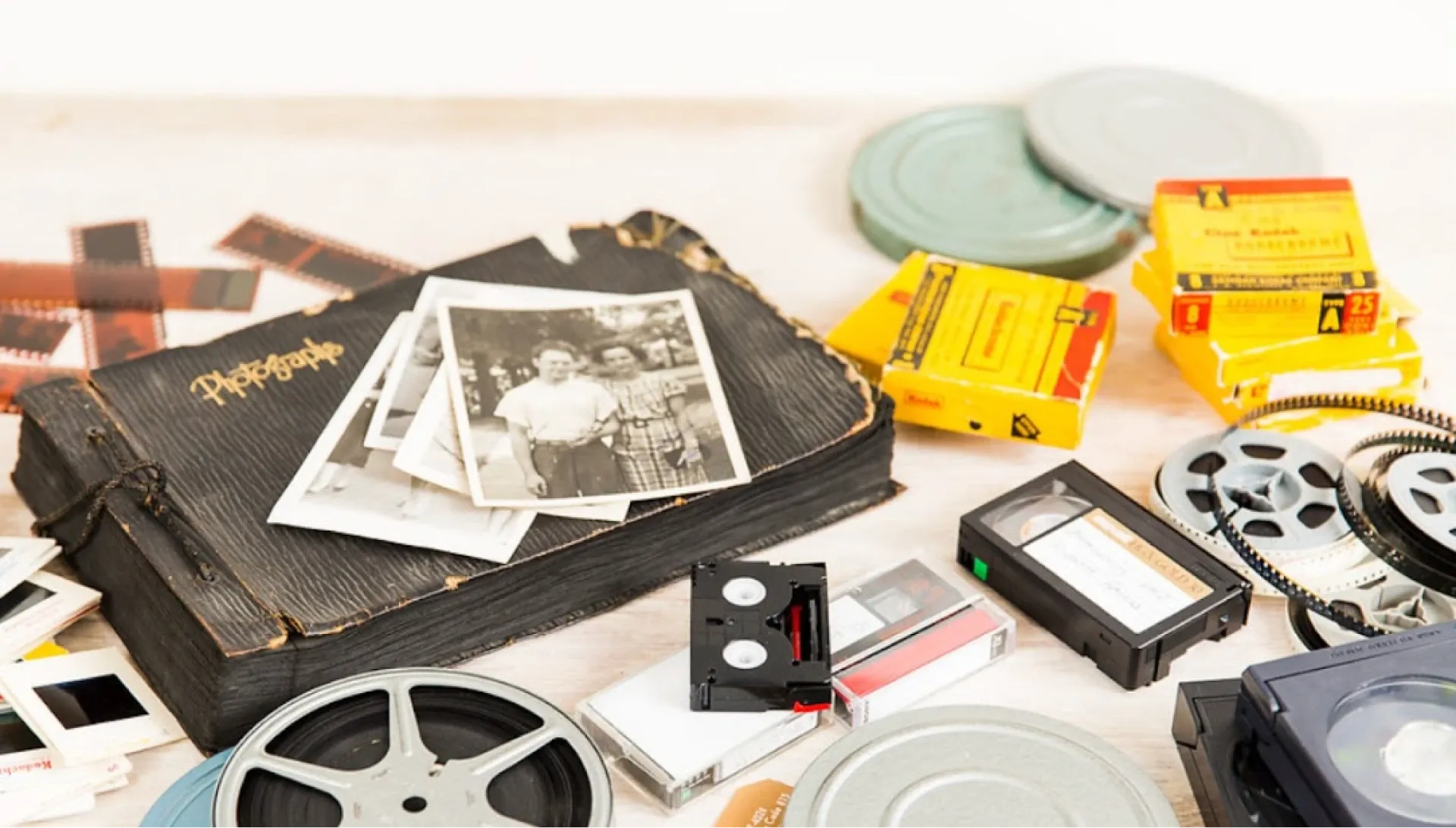
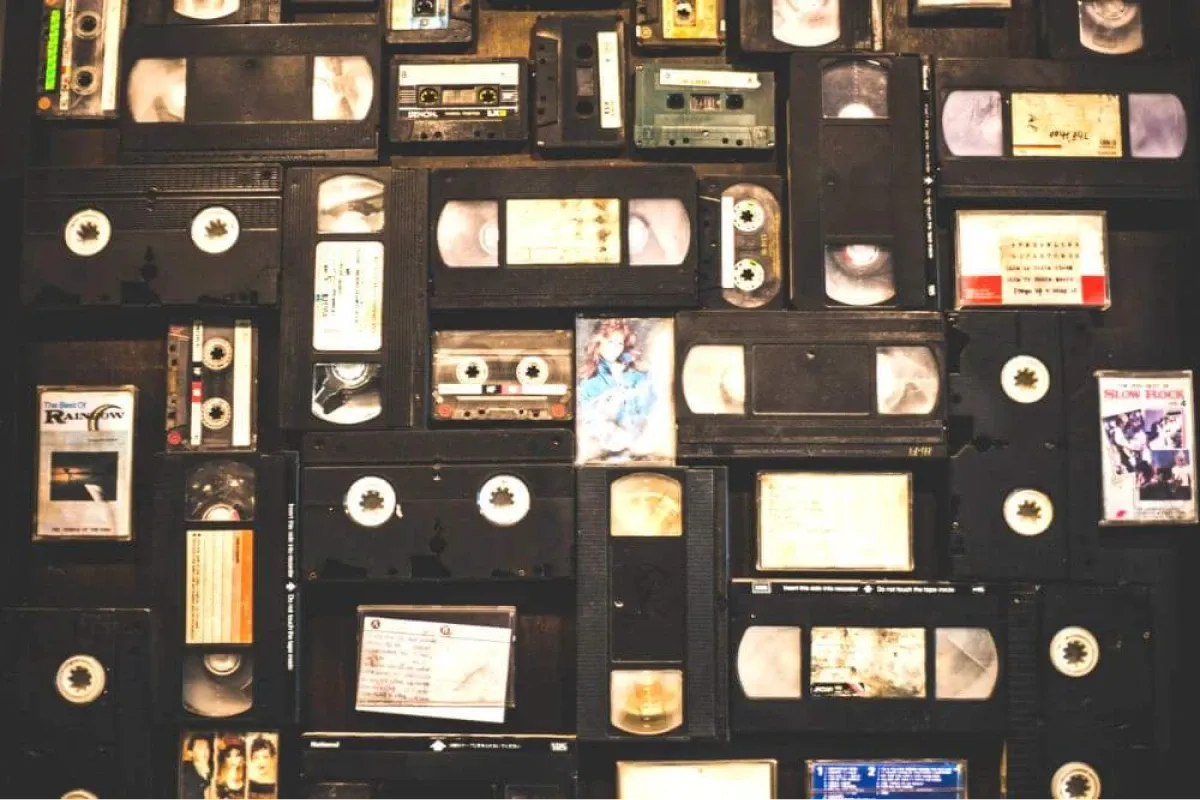
If you have a box of family recordings, you can probably date them by format:
8mm and Super 8 film reels: home movies before camcorders were common
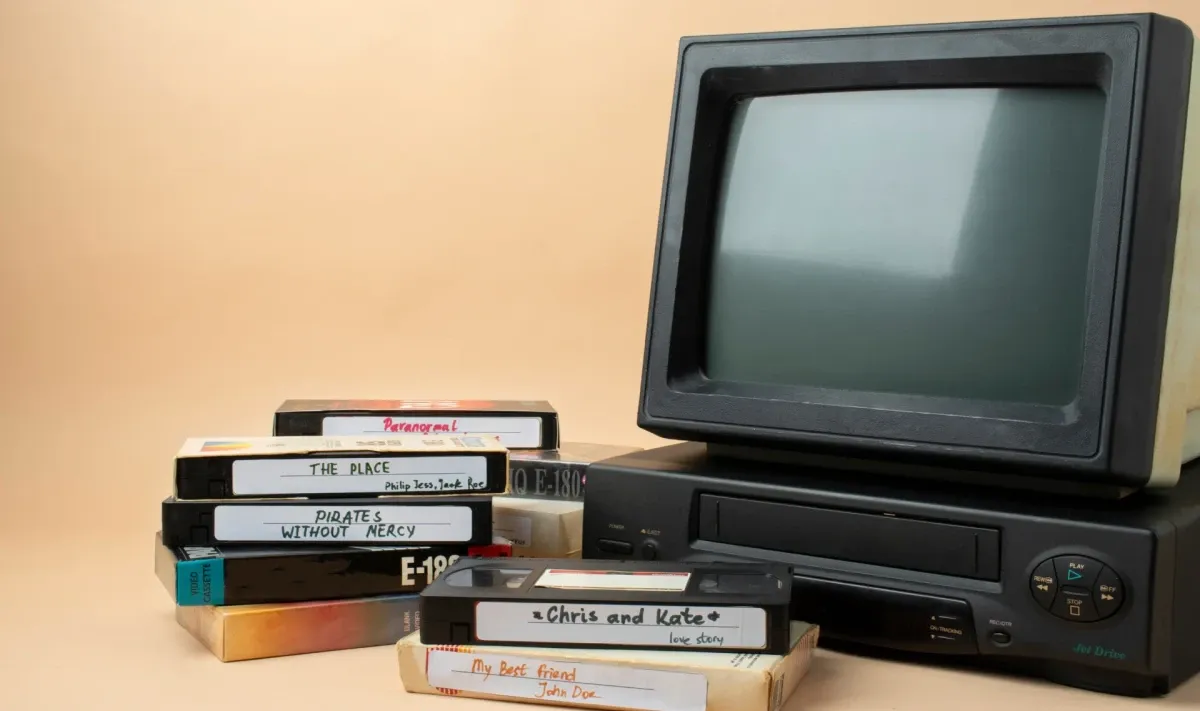
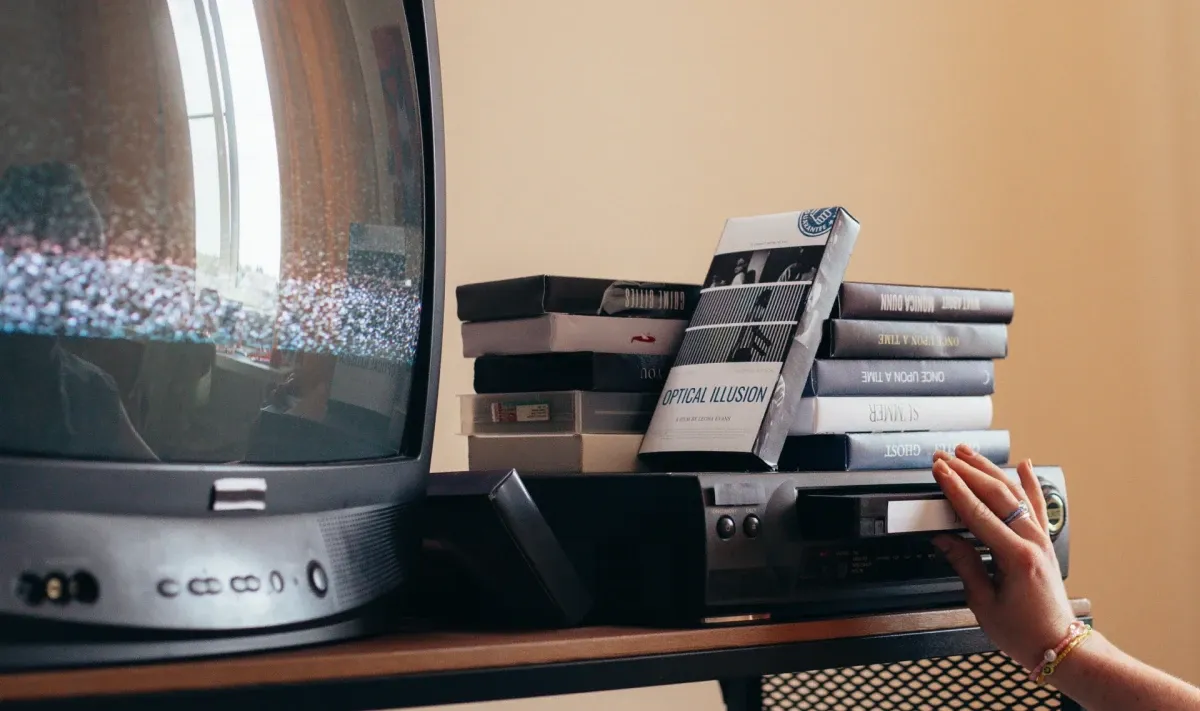
VHS, VHS-C and Betamax: late 1970s to the 1990s
Video8, Hi8 and Digital8: mid-1980s to the early 2000s
MiniDV: mid-1990s to the late 2000s
All of these age, and Hong Kong's humidity speeds things up: mould grows on tape and film, and the players needed to watch them are getting harder to find. Capture HK transfers videotapes to MP4 on calibrated decks, and digitises 8mm, Super 8 and 16mm film. Find out more on our video transfer page and film digitisation page.
Capture Reviews
Related Articles
You may also like these articles

Capture · Our team
Any Questions?
Feel free to contact
our Memory Specialists
Not sure what format you have or how best to handle it? WhatsApp us and one of the team will take a look.
WhatsApp us