Vintage Camcorders: 13 Retro and Rare Models Worth Collecting

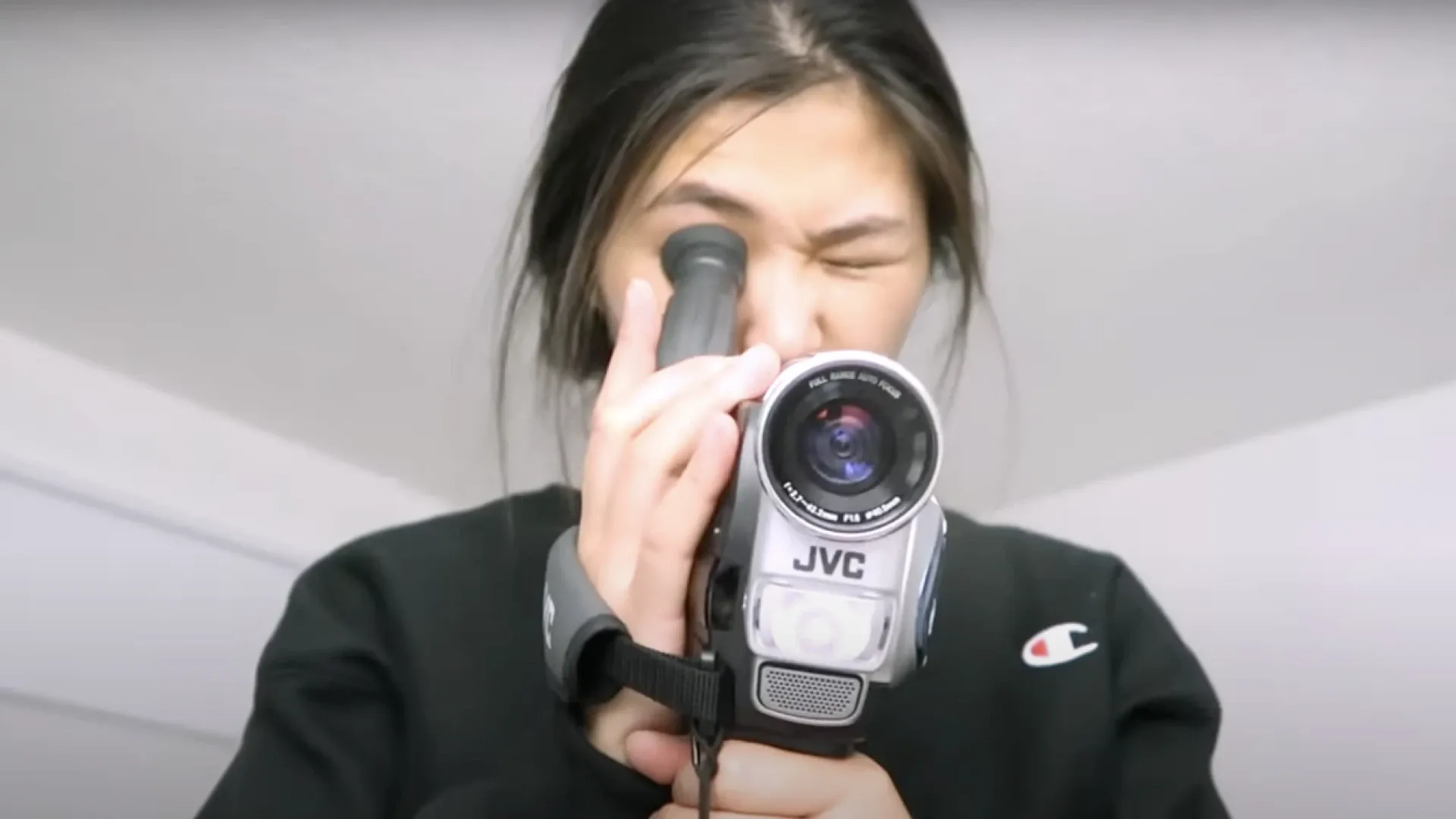
Phones shoot sharper video than any camcorder ever did, yet old camcorders are having a moment. Collectors hunt for the models that defined home video, filmmakers want the soft, warm look of tape, and plenty of people simply want to hold the same Handycam their parents carried to sports days and Lunar New Year dinners in the 80s and 90s. If you are thinking of buying one, here are 13 vintage camcorders and video cameras worth knowing, from museum pieces to models you can still pick up second-hand in Hong Kong, plus what to check before you hand over any money.
13 vintage camcorders worth collecting

1. Sony Portapak (late 1960s), very rare
Before camcorders, there was the Portapak: a camera on a cable connected to a battery-powered tape recorder you carried on a shoulder strap. Sony's first version arrived in 1967 and recorded black-and-white video onto open reels. Video artists and community filmmakers adopted it straight away. Working sets are scarce and mostly sought by museums and serious collectors.
2. Sony Betamovie (1983), rare
The Betamovie is usually credited as the first one-piece consumer camcorder: camera and recorder in a single body, using standard Betamax cassettes. It could record but not play back, so you had to put the tape into a Betamax deck to see what you had filmed. That quirk makes it a fascinating piece of history rather than a practical shooter.
3. JVC GR-C1 (1984)
A compact shoulder camcorder that recorded on VHS-C, the small cassette that slots into an adapter for playback in a normal VHS machine. It is best known as the camera Marty McFly uses in Back to the Future, which keeps demand high among film fans.
4. Sony CCD-V8 (1985)
Sony's first Video8 camcorder, and one of the first to use the much smaller 8mm tape. Its arrival started the long VHS-C versus 8mm rivalry that filled family cupboards with two different kinds of small tapes.
5. Full-size VHS shoulder camcorders (mid-1980s)
Big, heavy and recording straight onto full-size VHS cassettes, these were the camcorders seen at many weddings and school events of the era. Several brands made them. They are bulky to collect but have unmistakable 80s presence.
6. Sony Handycam CCD-TR55 (1989)
Marketed as "passport size", this was the camcorder that made filming something you could do with one hand. It is a favourite with collectors of 80s and 90s design, and it uses 8mm tapes.
7. Hi8 Handycams (1989 onwards)
Hi8 improved on standard 8mm with noticeably sharper pictures, and Sony made a long line of Hi8 models through the 1990s. They are among the easiest vintage camcorders to find in working condition today and a good first buy for someone who wants to shoot on tape.
8. Sony DCR-VX1000 (1995)
One of the first camcorders to record on the digital MiniDV format, with three image sensors for better colour. It became the classic camera of 1990s skateboard videos and is still sought after for that look, often paired with a fisheye lens.
9. Canon XL1 (1997)
A MiniDV camcorder with interchangeable lenses and an unusual, futuristic body. It was hugely popular with independent filmmakers, and its updated version, the XL1s, was used to shoot the feature film 28 Days Later.
10. Sony Digital8 Handycams (1999 onwards)
Digital8 recorded digital video onto Hi8-type tapes, and many models can also play older 8mm and Hi8 recordings. For anyone holding a box of family 8mm tapes, that backward compatibility makes them useful as well as collectable.
11. Panasonic AG-DVX100 (2002)
This MiniDV camcorder could shoot at 24 frames per second, giving footage a more cinematic feel. It was a staple of film schools and low-budget productions in the early 2000s.
12. Super 8 sound film cameras (1970s)
Not camcorders at all, but often collected alongside them. Kodak introduced Super 8 film in 1965, and later cameras could record sound onto the film. Film for Super 8 is still made, so these cameras can be used today, though processing is slower and costlier than tape.
13. Flip Video and other pocket camcorders (late 2000s)
The newest "retro" on this list. Flip's simple pocket cameras with a flip-out USB plug were everywhere for a few years until the brand was discontinued in 2011. The early-2000s digital look they produce is popular again on social media.
What to check before you buy
A camcorder that has sat in a Hong Kong cupboard for 30 years has lived through a lot of humidity. Before paying, ask the seller to show you:
The lens: shine a torch through it. Grey webs or spots inside are fungus, which is common here and hard to remove.
Recording and playback: insert a blank or spare tape, record a minute, rewind and play it back on the camcorder's own screen or viewfinder.
The tape mechanism: listen for grinding and watch that the tape ejects cleanly. A worn mechanism can chew tapes.
Power: original batteries are usually dead. Check whether a working charger or a replacement battery is included.
Tapes: new VHS-C, 8mm and MiniDV cassettes are getting harder to find, so factor in where you will buy them.
One firm rule: never test a second-hand camcorder with a family tape you care about. If the mechanism fails, the tape is the first thing damaged.
Where to find vintage camcorders in Hong Kong

Sham Shui Po and Apliu Street: the street stalls and second-hand electronics shops are the classic hunting ground for old players, cameras and camcorders. Stock changes constantly, and you can inspect a camera in person.
Carousell and other online marketplaces: good for common 80s and 90s models. Ask for a video of the camcorder recording and playing back before you arrange to meet.
Second-hand camera shops: some shops that deal in used film cameras also carry the odd camcorder, often tested and with a short warranty.
Collector groups and forums: the place to find rare models and honest advice. Sellers in these communities are usually enthusiasts who have looked after their gear.
Your own family: ask parents and relatives before you buy. The original family camcorder may still be at the back of a cupboard.
Already have the tapes? Save them first
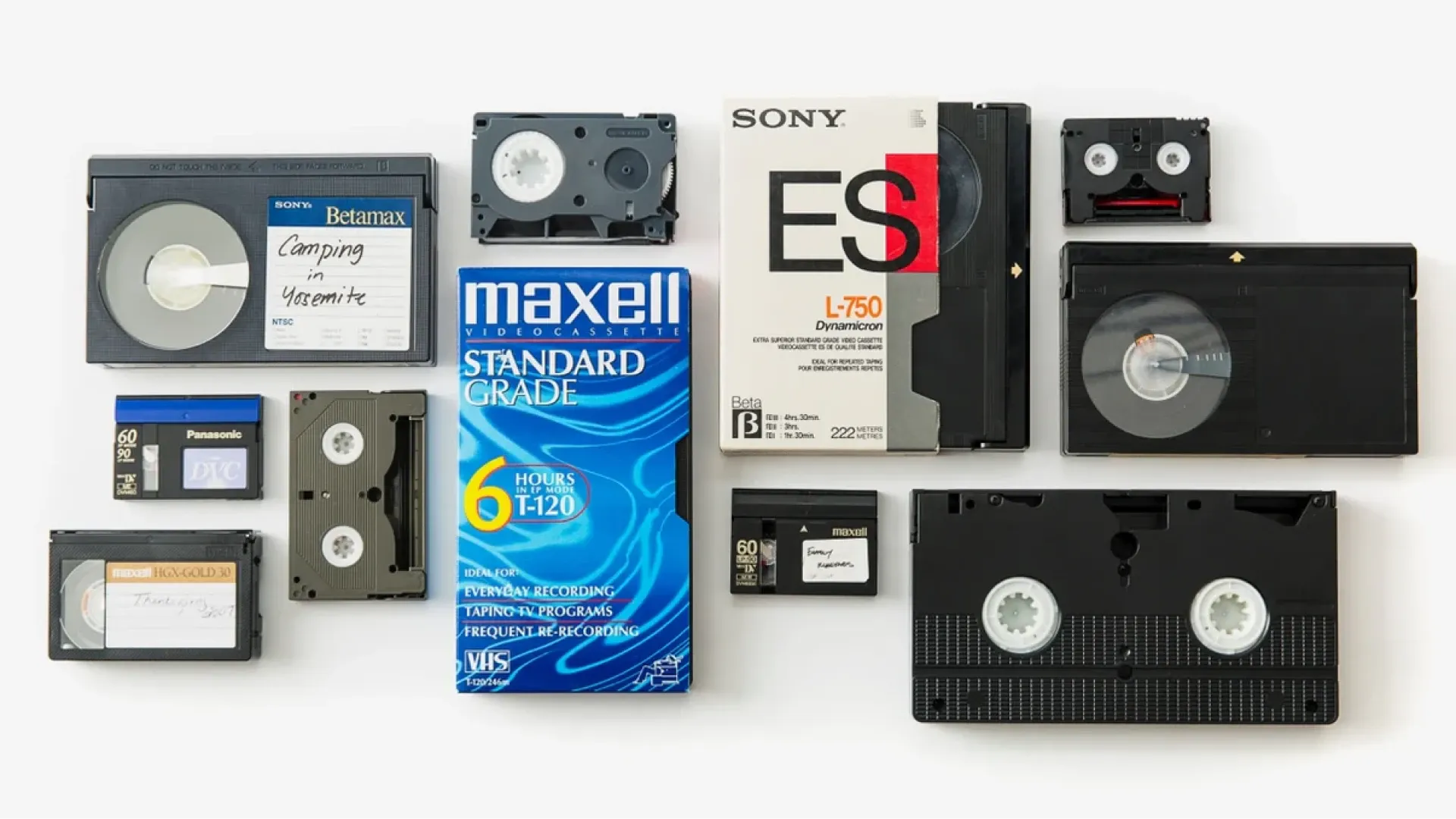
Collecting camcorders is fun; the footage they recorded is what matters most. VHS-C, 8mm, Hi8, Digital8 and MiniDV tapes all degrade with age and humidity, and finding a working player gets harder every year. Capture HK plays tapes on calibrated decks with time-base correction and delivers MP4 files, from HK$200 per tape in SD or HK$300 in Full HD, with mould cleaning available if your tapes have spots. We also handle 8mm and Super 8 film. See our video tape digitisation and film digitisation pages, or get a free quote.
Capture Reviews
Related Articles
You may also like these articles
Capture · Our team
Any Questions?
Feel free to contact
our Memory Specialists
Not sure what format you have or how best to handle it? WhatsApp us and one of the team will take a look.
WhatsApp us