What Is Betamax, and Why Did It Lose to VHS Despite a Better Picture?

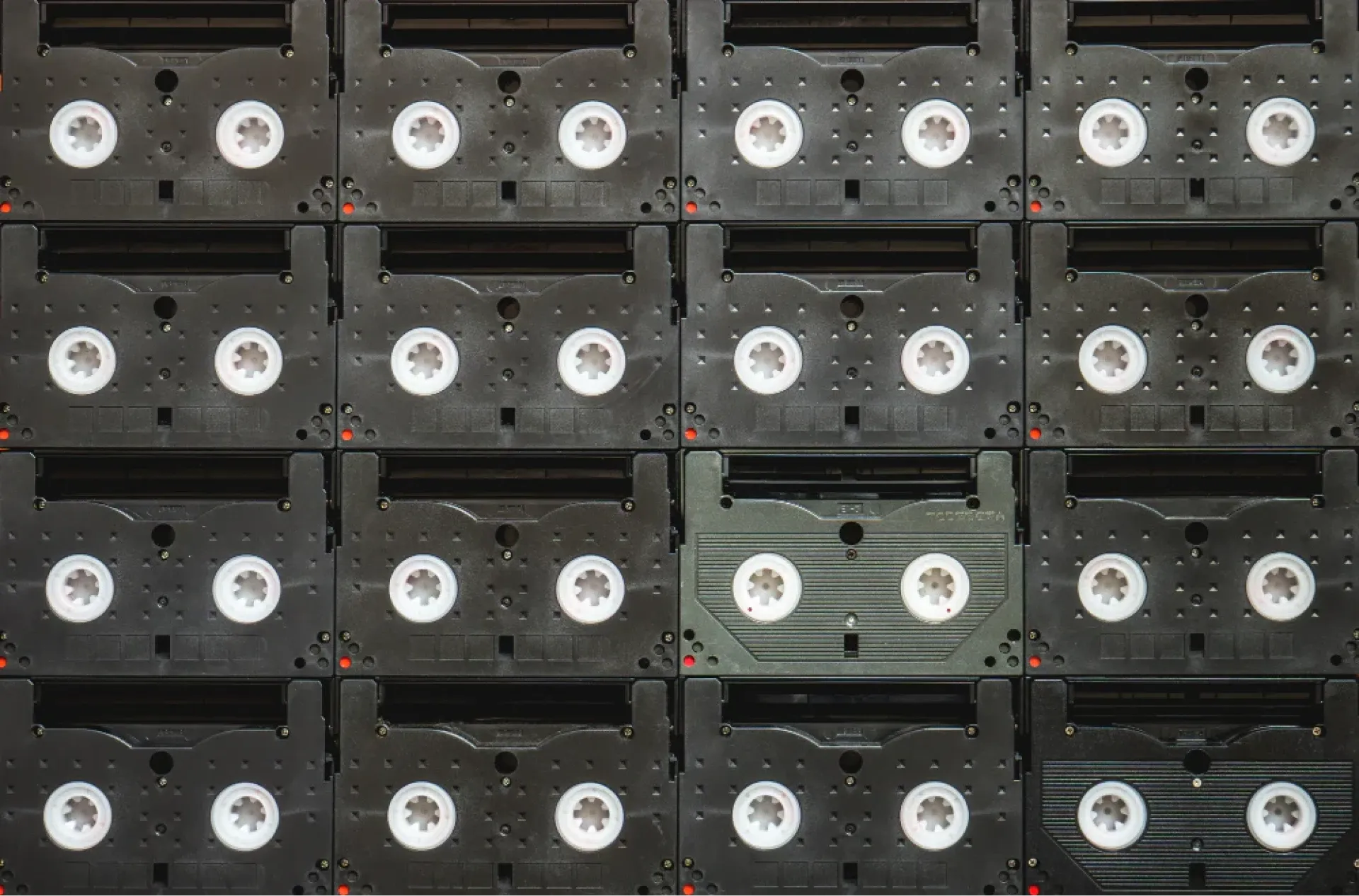
Clear out an old cabinet in Hong Kong and you may find, among the VHS tapes, a cassette that looks slightly wrong: smaller, squarer, with a "Betamax" or β logo on the label. That is a Betamax tape, Sony's home video format and the famous loser of the videotape war with VHS. It is often said that Betamax had the better picture and still lost. Both parts of that are roughly true, and the reasons why say a lot about how technology wins in the real world. Here is what Betamax is, why VHS overtook it, and what to do with any Beta tapes you still own.
Betamax in brief
Made by: Sony, Japan
Launched: 1975
What it was: a half-inch magnetic tape in a compact cassette, for recording TV programmes and, later, home movies from Betamax camcorders
Main rival: VHS, launched by JVC in 1976
The end: Sony stopped making Betamax recorders in 2002 and the last blank cassettes in 2016
Where it came from
Before Betamax, Sony had already put videotape in a cassette with U-matic, launched in 1971. U-matic worked well for broadcasters, schools and companies, but the machines and tapes were big and expensive. Betamax was Sony's attempt to shrink the same idea into something a family could put under the television.
It succeeded technically. The Betamax cassette was noticeably smaller than the VHS cassette that followed, and many viewers and reviewers at the time judged its picture slightly sharper and cleaner. For a year, Sony had the home video market largely to itself.
Why the better picture didn't win

Picture quality turned out to matter less to buyers than three practical things.
1. Recording time
The first Betamax tapes held about an hour. The first VHS tapes held two, which was enough for a feature film or a whole football match. Sony added longer-play speeds over the years, but VHS kept extending its own running times too, and the early impression that VHS "fits more" stuck.
2. Licensing
JVC and its parent company Matsushita (the Panasonic group) licensed VHS to many other manufacturers. Soon a whole range of brands sold VHS machines at different prices, which pushed costs down and put recorders in more shops. Betamax had partners too, but far fewer, and VHS machines became cheaper and easier to find.
3. The rental shop effect
Once VHS players outnumbered Betamax players, video rental shops stocked more VHS titles, which made VHS players more attractive, which made rental shops stock even more VHS. By the second half of the 1980s that loop had settled the matter in most markets. In 1988 Sony began selling VHS recorders of its own, widely seen as an admission that the war was over.
The lesson is still quoted in the tech industry: the best format on paper does not always win. Price, convenience and what everyone else is using often count for more.
What Betamax did well
A compact cassette, easier to store than VHS.
A slightly sharper picture at standard speed, which made it popular with some video enthusiasts long after VHS had won.
Steady improvements: Beta Hi-Fi added much better stereo sound in the 1980s, and Sony's later ED Beta pushed picture resolution well beyond ordinary home formats of the time.
Betamax and the law: the "Betamax case"
Betamax also left a mark on copyright law. Universal Studios and Disney sued Sony, arguing that a machine which let people record television helped viewers infringe copyright. In 1984 the US Supreme Court ruled for Sony in Sony Corp. of America v. Universal City Studios, finding that recording a broadcast to watch at a later time was fair use, and that a device with substantial legitimate uses was not unlawful just because it could also be misused.
The case is still cited in arguments about new copying technology. It applies to US law, but the general idea it represents, that recording equipment itself is not illegal, is part of why home video, and later digital recording, could grow as they did. Digitising your own home movies, of course, raises no such questions at all.
Betamax vs Betacam: not the same tape
Sony later used Beta technology as the basis for Betacam, launched in the early 1980s for television news and production. Betacam and its successor Betacam SP became a long-running broadcast standard. The cassettes look related, but Betacam records differently and needs professional decks, so a Betacam tape will not play in a home Betamax machine. If you have tapes from a TV station, production house or corporate video, check the label carefully.
Do you still have Betamax tapes?
Betamax home recordings are now several decades old, and they face the same threats as any videotape, with Hong Kong's climate making things worse.
Mould: months of 80%+ humidity let mould grow on the tape surface. Look through the cassette window for white or grey spots or a dusty film.
Finding a player: working Betamax machines are rare, and you will mostly see them second-hand, for example around Apliu Street in Sham Shui Po. An old, untested deck can chew up the one copy of a tape you care about.
Slow fading: magnetic signals weaken over time, so the longer you wait, the more noise and dropouts creep in.
Until you can digitise them, store Beta tapes upright, in a dry cabinet or air-tight box with silica gel, away from windows and the floor where typhoon-season leaks can reach.
Turning Betamax into digital files
Capture HK plays Betamax tapes on calibrated decks with time-base correction and delivers each tape as an MP4 file: HK$300 for SD or HK$500 for Full HD, whatever the length of the tape. Mouldy tapes can be cleaned first, and we also handle Betacam SP, VHS, Video8 and Hi8. See our videotape transfer page for details, or get a free quote.
Capture Reviews
Related Articles
You may also like these articles


Capture · Our team
Any Questions?
Feel free to contact
our Memory Specialists
Not sure what format you have or how best to handle it? WhatsApp us and one of the team will take a look.
WhatsApp us