How to Store Film Negatives, Slides and Polaroids in Hong Kong's Humidity

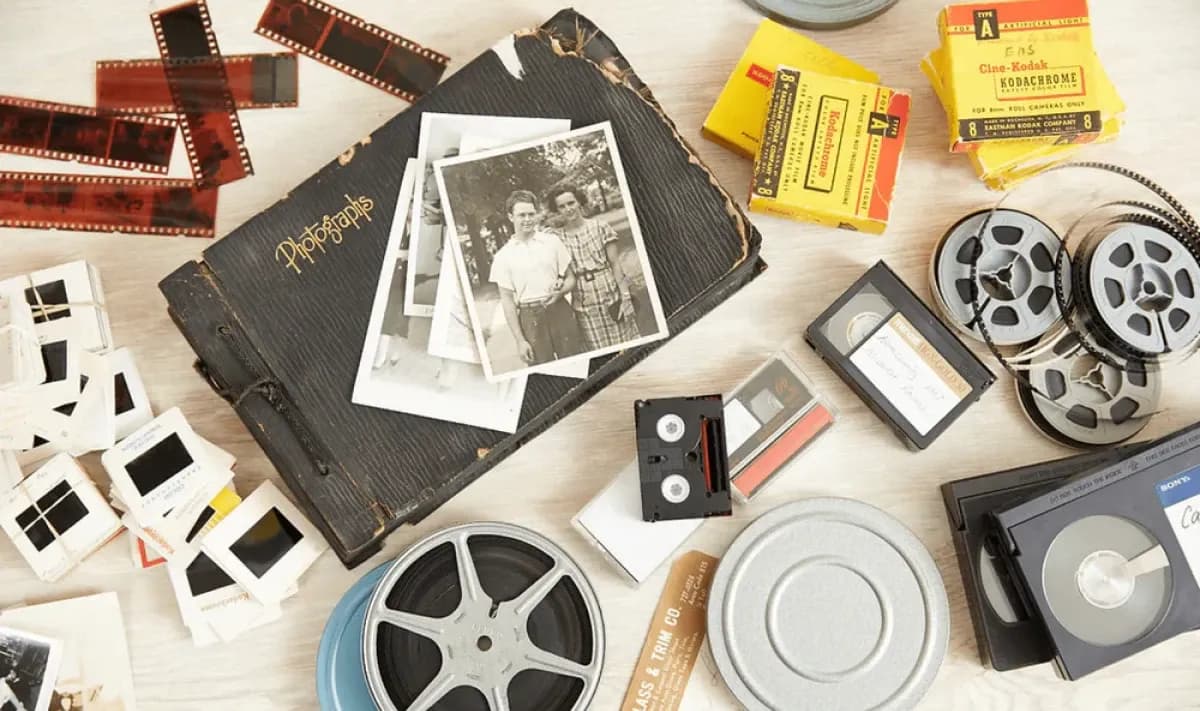
Open a shoebox of old negatives in a Hong Kong flat and the first thing you often notice is the smell: musty, sometimes sharp like vinegar. Hold a strip up to the window and you may see faint white webs or grey spots across the frames. That is what years of humid air do to film. Negatives, slides and instant photos are surprisingly tough when they are kept well, but our climate works against them every summer. This guide explains what actually damages film and how to store it properly in a typical Hong Kong home.
What you are probably storing
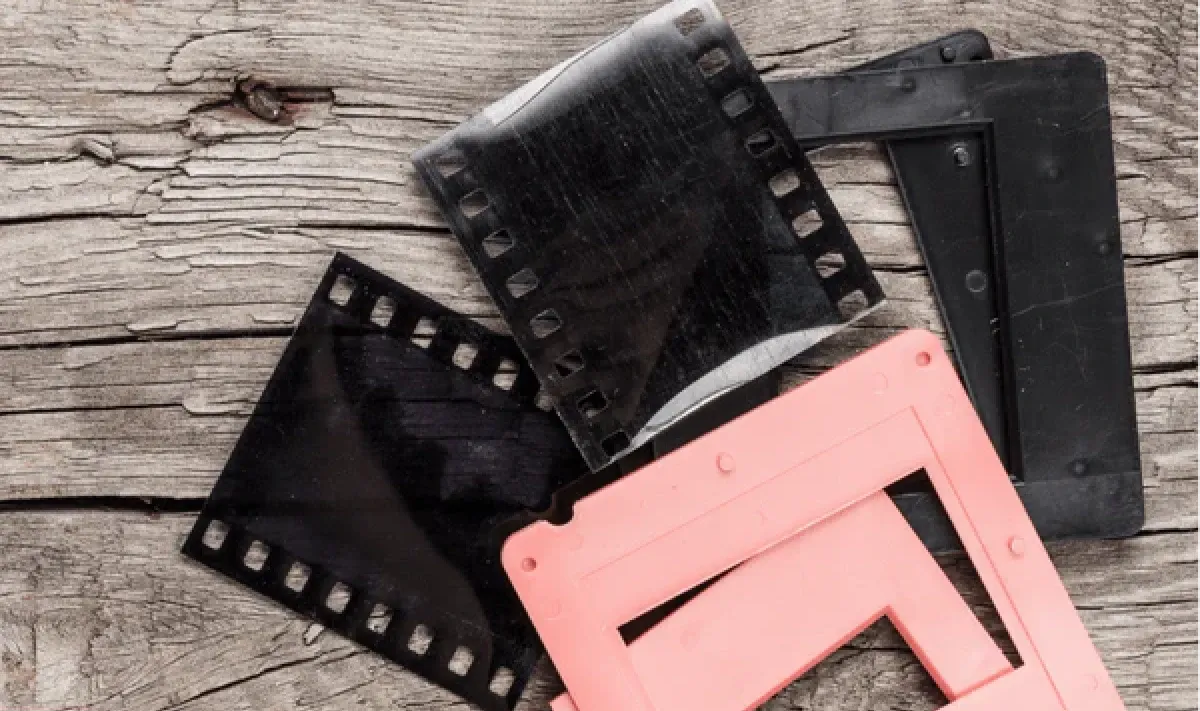
Most family collections are a mix of these:
Colour and black-and-white negatives, usually 35mm strips in paper or plastic wallets from the photo shop, sometimes 110, 120 or larger formats.
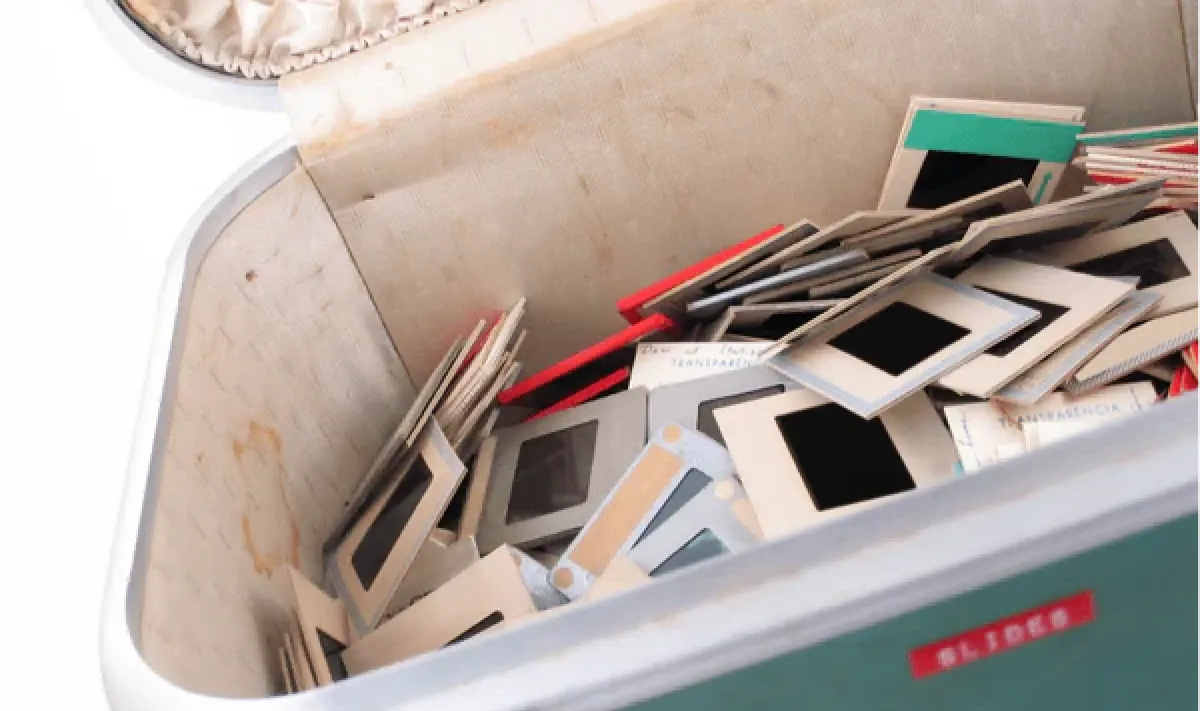
Slides (transparencies), mounted in card or plastic frames and often kept in carousel trays or small boxes.
Instant prints such as Polaroids, which are a sealed sandwich of chemicals and image layers rather than a normal print.
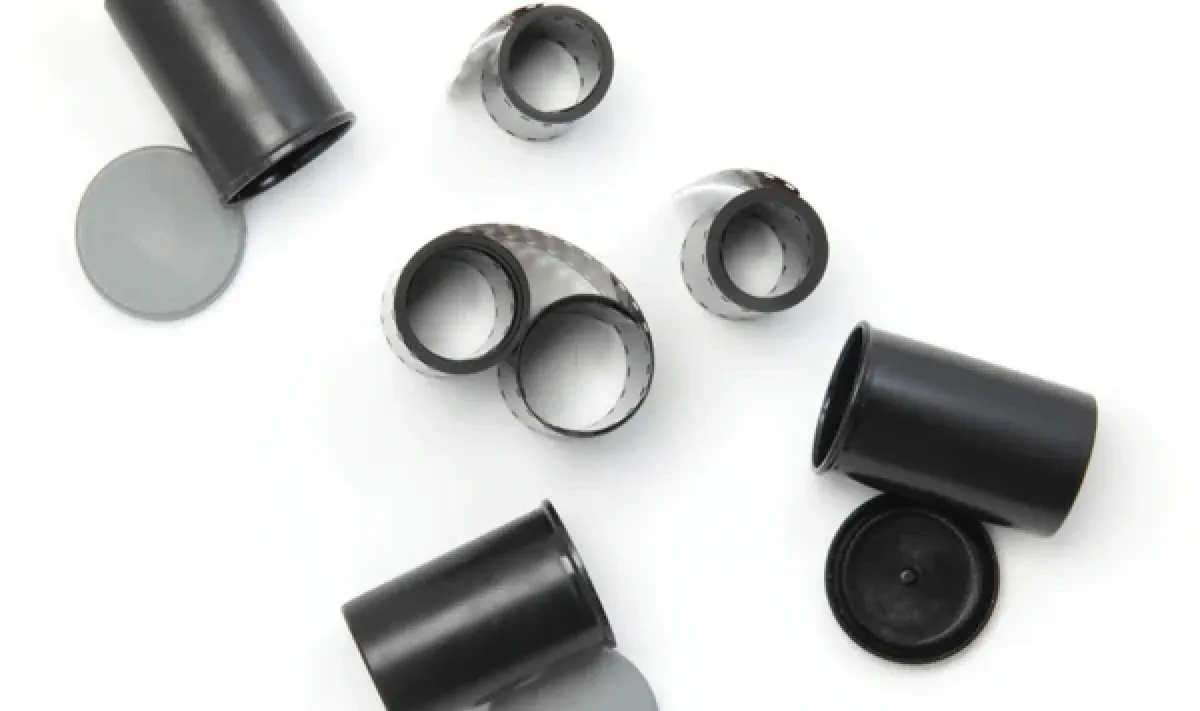
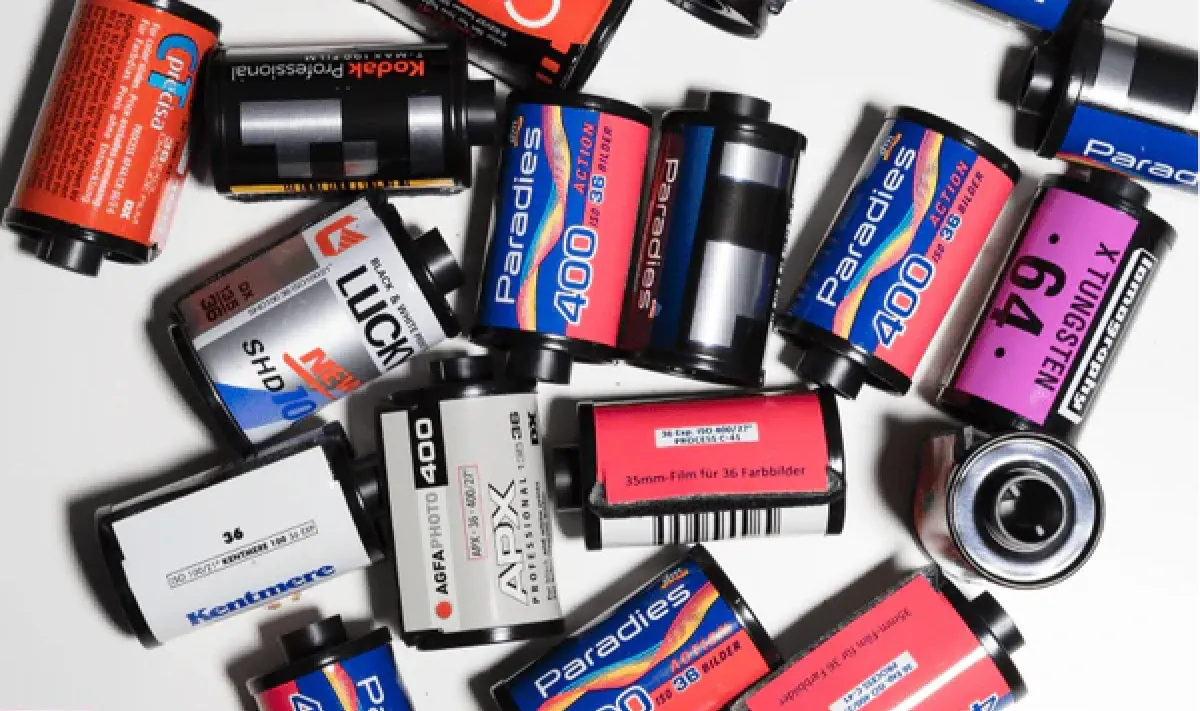
Unused or undeveloped rolls, still in their canisters.
Negatives and slides are worth more care than the prints made from them. They hold the most detail of anything you own from that era, so a good scan from a negative is usually sharper than a scan of the print.
The four things that damage film
1. Humidity
This is the big one in Hong Kong. Film emulsion is made with gelatin, and gelatin is food for mould. When the air stays above roughly 60% humidity for long stretches, which in spring and summer here is most days, mould spores settle on the emulsion and grow. Once mould has etched into the gelatin, the marks can't simply be wiped off. Damp also makes strips stick to each other and to cheap plastic sleeves.
The aim is a steady, moderate humidity, roughly 30% to 50%. Going too dry is a problem too: film kept for years in very dry conditions can curl and turn brittle.
2. Heat
Warmth speeds up every chemical reaction in film. Colour dyes fade faster, and older acetate-based film can start to break down, giving off that vinegar smell (often called vinegar syndrome). A cupboard under the roof, a storeroom next to the water heater or a box near a west-facing window will age film far faster than a cool interior room.
3. Light
Slides and instant photos fade when they are left in light. Undeveloped film can also be fogged. Keep everything in closed boxes, drawers or cabinets rather than on open shelves.
4. Handling and chemicals
Fingerprints leave oils and salts that stay on the emulsion. Sticky tape, rubber bands, some plastics and acidic paper can all release chemicals that stain film over time.
How to store film in a Hong Kong home
Choose the right room and the right height
Pick an interior cupboard in an air-conditioned part of the flat. Keep boxes off the floor and away from windows and exterior walls, where condensation forms and where water gets in during typhoons and black rain.
Use a dry cabinet or a sealed box with silica gel
A dry cabinet (防潮箱), the kind photographers use for lenses, is the easiest way to keep film at a steady humidity. Set it in the middle of the range rather than as dry as it will go. If you don't have one, an airtight plastic container with sachets of silica gel works well; recharge or replace the gel when its indicator changes colour, and check the box every few months.
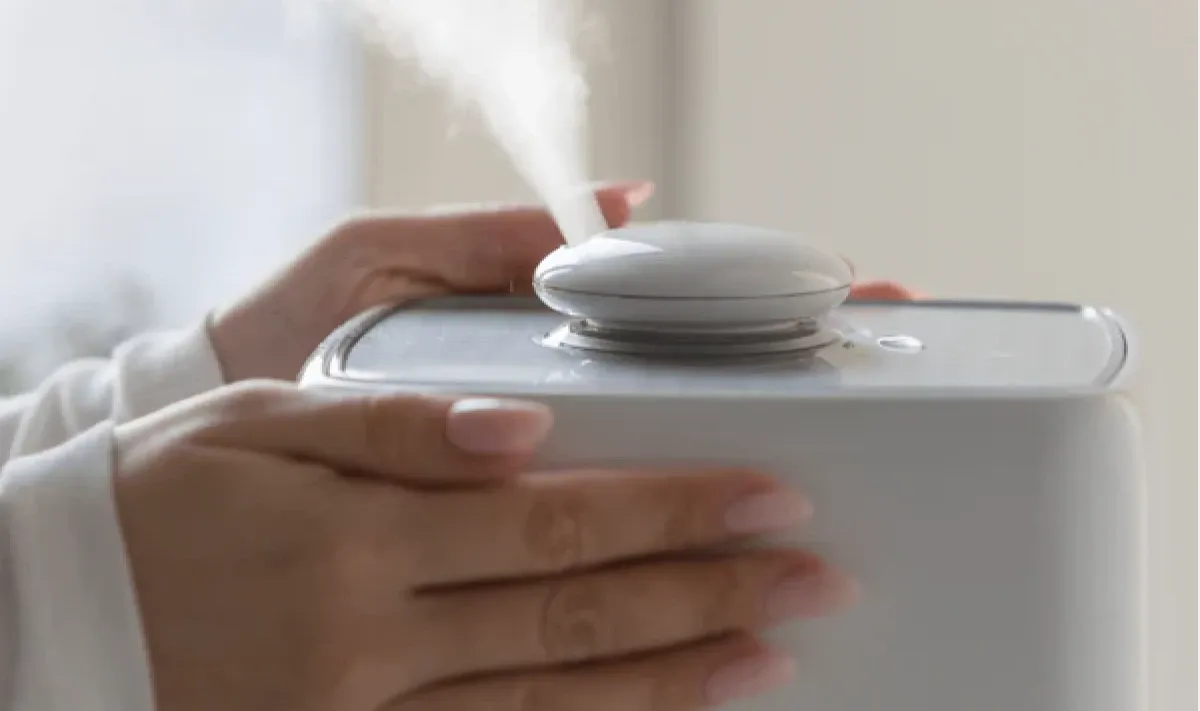
Run the dehumidifier in the wet months
A room dehumidifier helps everything in the cupboard, not only film. In our climate you will rarely need a humidifier, but avoid putting film right beside an air-conditioner outlet where the air is very dry and cold.
Re-sleeve in archival materials
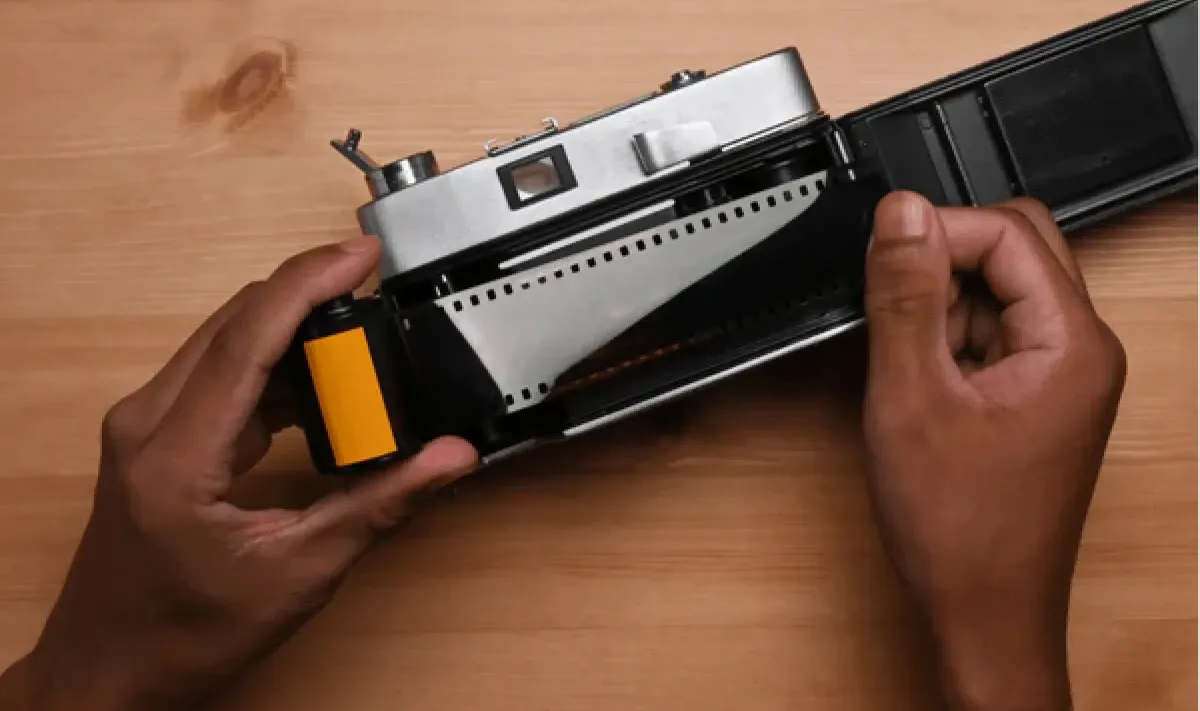
Swap old glassine and soft PVC sleeves for archival sleeves made of polypropylene or polyethylene, or acid-free paper envelopes. Look for products described as photo-safe or tested for archival use. Keep negatives in strips, flat, one strip per pocket, and never pile loose strips on top of each other.
Handle by the edges
Wash and dry your hands, or wear lint-free cotton or nitrile gloves, and hold film only by its edges. If you need to remove dust, use a soft blower rather than cloth, which can drag grit across the surface.

Label the sleeves, not the film
Write dates, places and names on the sleeve or envelope with a soft pencil or an archival pen. Avoid sticky labels and tape anywhere near the image area. Good labels also mean you will handle the film less when you are hunting for one picture.
Store instant photos flat
Keep Polaroids and other instant prints flat in an acid-free box, away from heat, and don't cut, bend or pin them. Their layers are sealed together and can be damaged if the edges are opened.
Keep unexposed and undeveloped rolls cool
Unused film keeps longest in the fridge in a sealed bag, brought back to room temperature before opening to avoid condensation. If you are flying with exposed but undeveloped rolls, keep them in your hand luggage, since the stronger scanners used on checked bags can fog film, and ask security for a hand check if you prefer. Developed negatives and slides are not affected by airport X-rays.
Signs your film needs attention
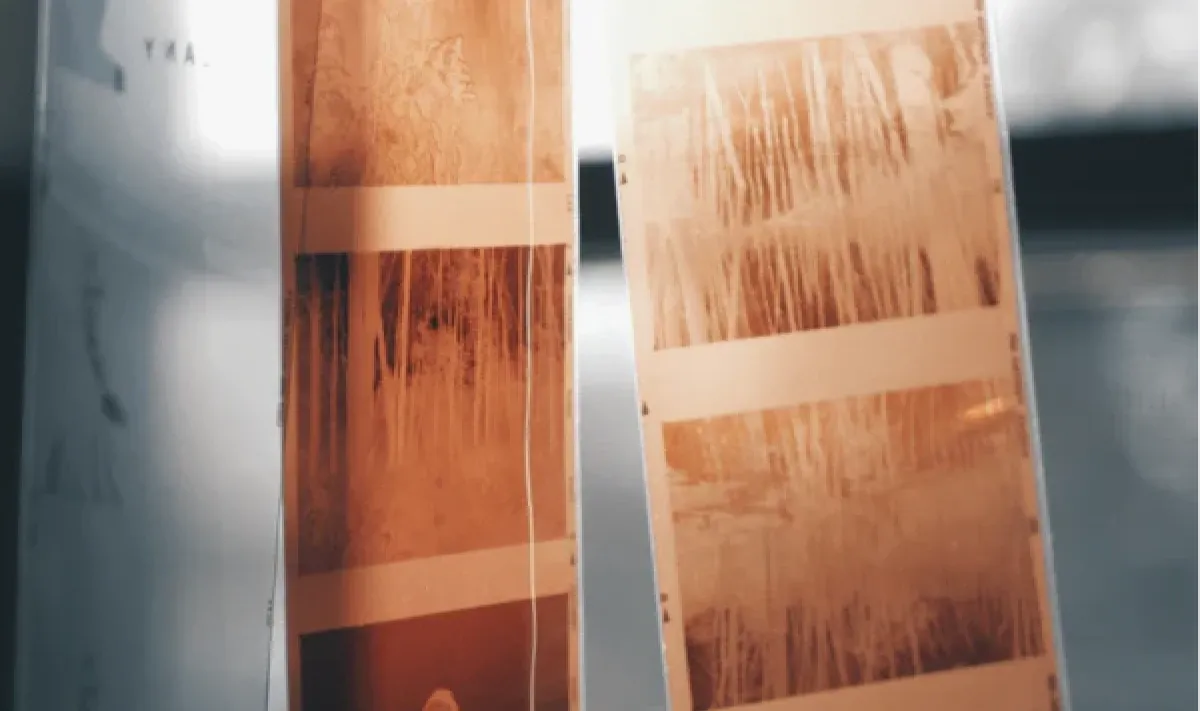
White or grey spots, fuzzy patches or thread-like lines on the emulsion: mould.
A vinegar smell, curling, or a wavy, shrunken look: acetate base breaking down.
Strips stuck together or to their sleeves.
Slides that have turned noticeably red or blue.
If you see any of these, move the affected film away from the rest of the collection and get it digitised sooner rather than later. Damage of this kind only moves one way.
Planning for the long term
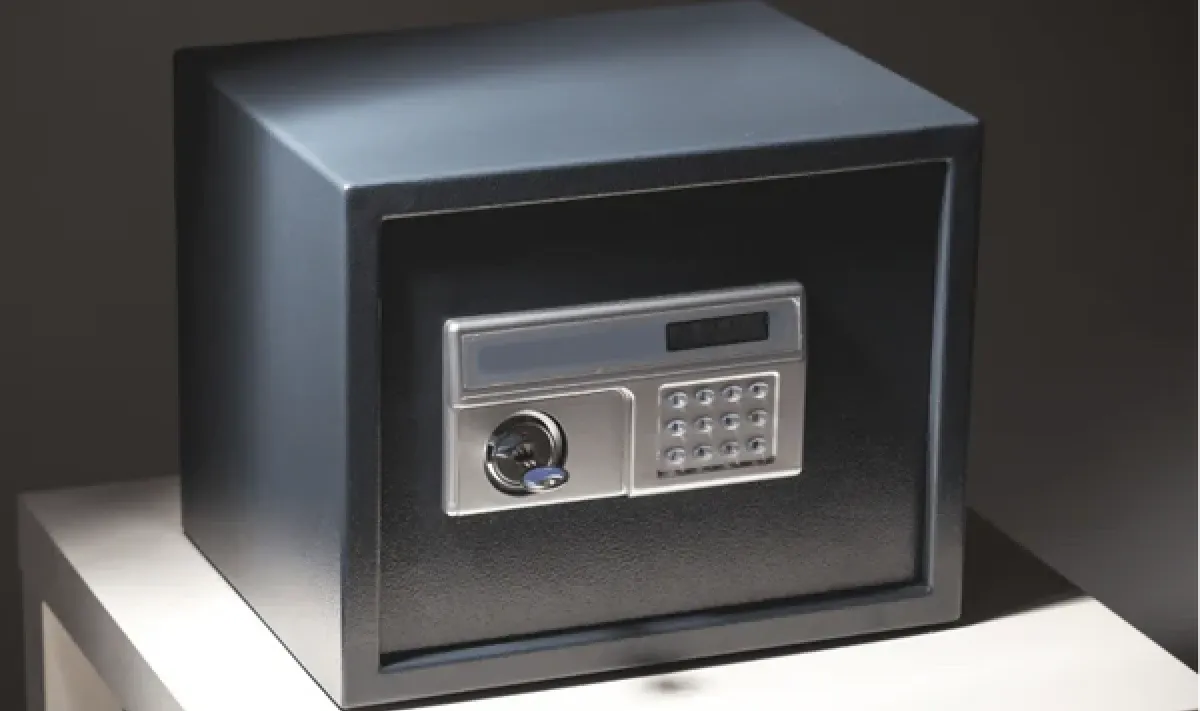
Good storage slows decay; it does not stop it. A fire-resistant box adds protection against the worst case, but a single physical copy is still a single point of failure. The most reliable plan is to make a digital copy while the film is still in good shape, keep that copy in more than one place, and then store the originals as carefully as you can.
Digitise your negatives and slides with Capture HK
Capture HK scans 35mm and other negatives from HK$4 per frame (Original) or HK$6 (Colour+), and slides from HK$6 each. You get high-resolution JPGs with dust and colour correction, so you can share them with family anywhere and stop worrying about the next wet season. See our slide and negative scanning service, or get a free quote.
Capture Reviews
Related Articles
You may also like these articles




Capture · Our team
Any Questions?
Feel free to contact
our Memory Specialists
Not sure what format you have or how best to handle it? WhatsApp us and one of the team will take a look.
WhatsApp us