How Much Is an Old Polaroid Camera Worth? 10 Valuable Models to Look For


Clearing out a parent's flat or a storeroom often turns up an old Polaroid camera, sometimes still in its box, sometimes with a half-used film pack inside. Is it worth anything? It might be. Instant cameras have become fashionable again, and a few vintage models sell for real money to collectors and photographers. Most, though, are worth far less than people hope. This guide explains what drives the price, which models are most sought after, and how to find out what yours would actually sell for in Hong Kong.
The short answer
The common plastic cameras from the 1980s and 1990s, such as the boxy 600-series models, are plentiful and usually sell cheaply, even in good working order. Prices climb for folding SX-70 cameras, manual pack-film models with good lenses, early Land cameras in excellent condition, and anything rare or unusual. Condition, completeness and proof that it works can make a bigger difference than age alone.
What makes a Polaroid camera valuable?
Which model it is
Start by identifying the exact model. The name is usually printed on the front or on a plate near the lens or hinge. Two cameras that look similar can differ greatly in value, so search the precise model name rather than just "old Polaroid".
Whether it works
Buyers pay most for a camera that is tested and shoots. Many 600 and SX-70 cameras have no battery of their own: the battery is built into each film pack, so you can't fully test one without loaded film. Listings that say "untested" usually sell for much less, because buyers assume it doesn't work.
Condition
Look for cracks in the body, a clear viewfinder, a lens free of haze or fungus, and rollers that are clean and turn smoothly. Leather coverings peel and bellows can develop pinholes. Hong Kong's humidity is hard on old cameras: fungus in the lens and corrosion in the battery area are both common in cameras kept in a cupboard for decades.
Film you can still buy
A camera people can use is easier to sell. At the time of writing, Polaroid still makes film for SX-70, 600 and i-Type cameras. Peel-apart pack film is a different story: Polaroid stopped making instant film in 2008 and Fujifilm ended its last peel-apart film in 2016, so pack-film cameras now appeal mainly to enthusiasts who hunt for old stock or convert cameras to other film.
Box, accessories and history
The original box, manual, flash, case or close-up lens all help. So does a clear story: who bought it, where and when, especially if it comes with photos it took.
10 Polaroid models collectors look for
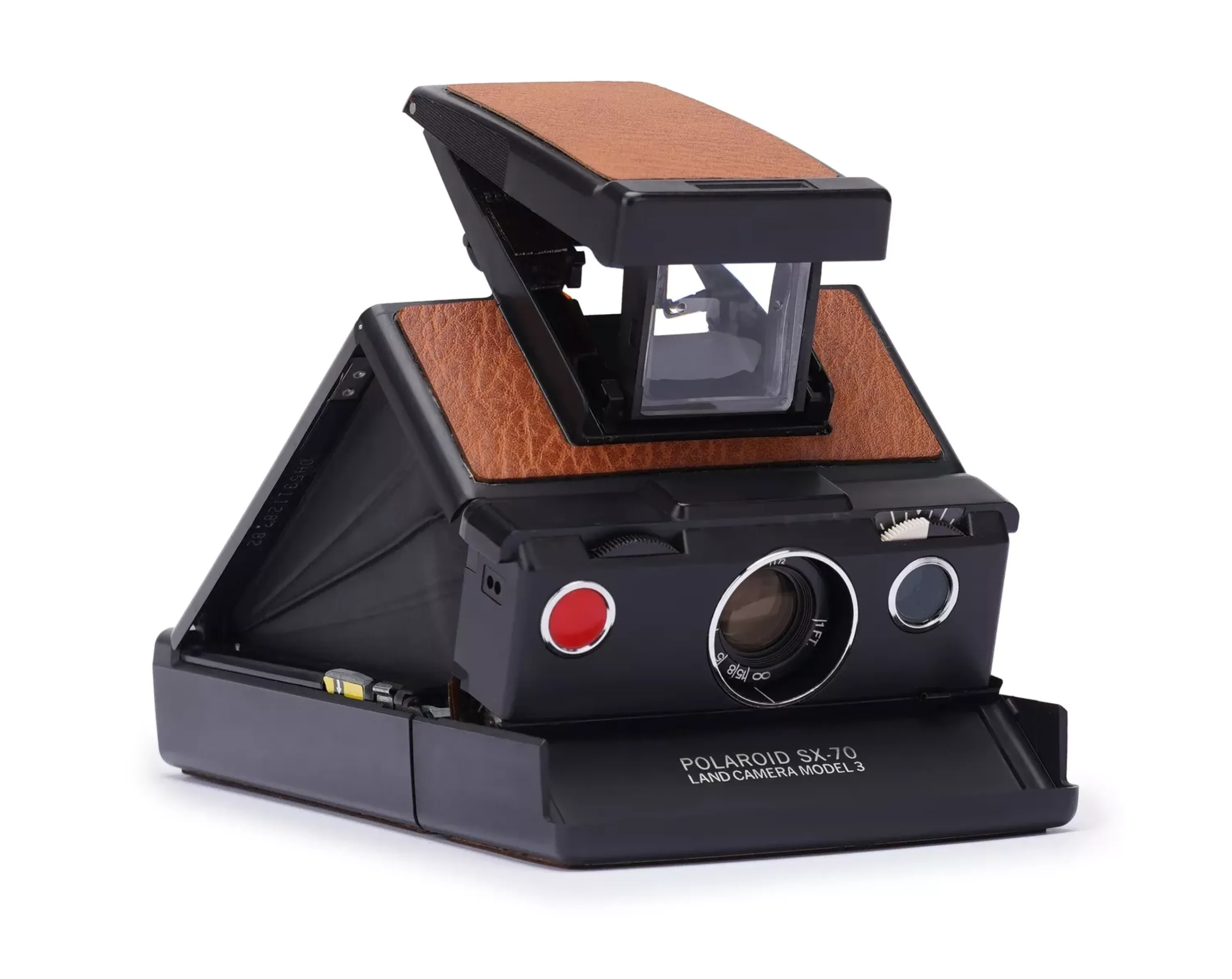
1. Polaroid SX-70 (1972)
The camera that made Polaroid famous: a single-lens reflex that folds flat enough for a coat pocket, finished in brushed chrome and tan leather on the classic version. Working SX-70s in good condition are among the most consistently in-demand Polaroids. Later versions include the SX-70 Sonar with autofocus.
2. Polaroid SLR 680 and SLR 690
The SLR 680 brought the folding SX-70 design to faster 600 film, with a built-in flash and sonar autofocus. The SLR 690 is a later, less common version from the 1990s. Both are prized by people who want an SX-70-style camera that works with today's 600 film.
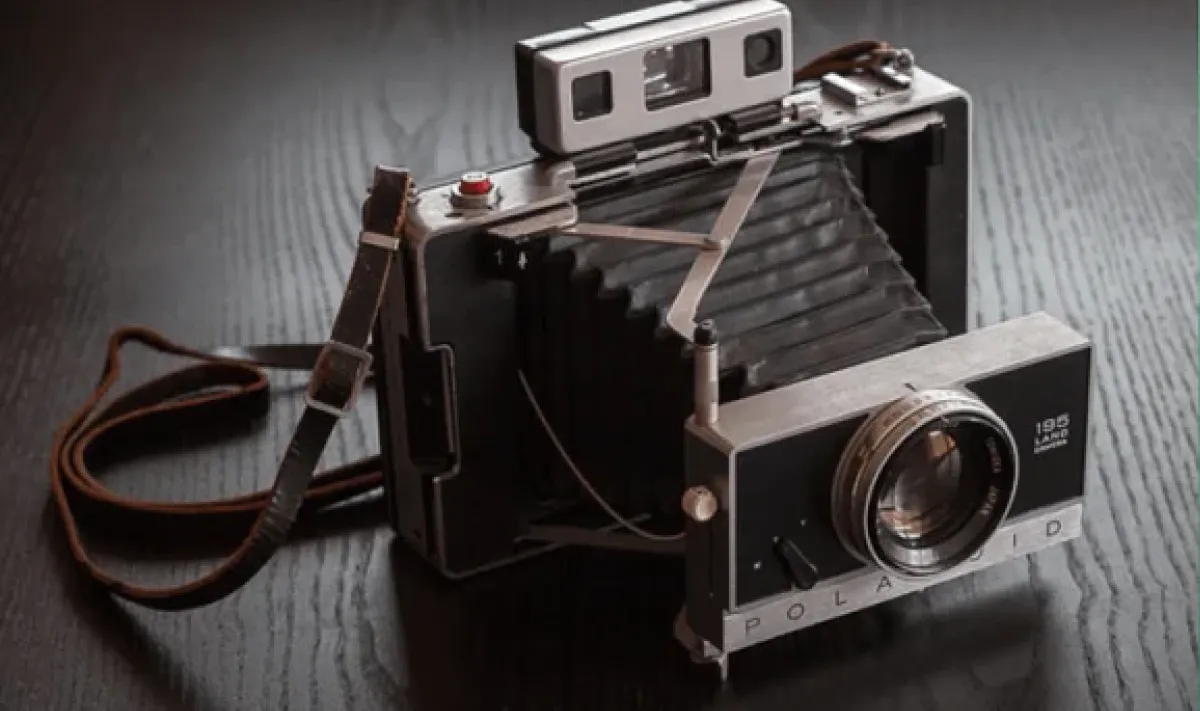
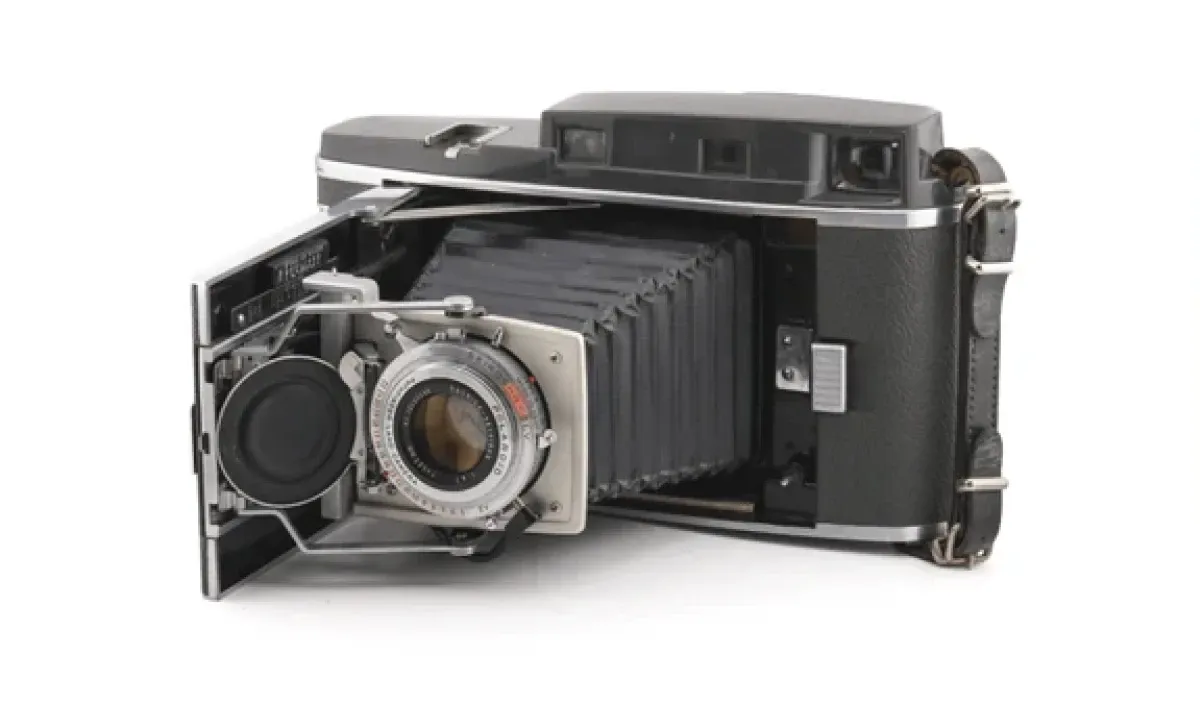
3. Polaroid 180 and 195
Fully manual pack-film cameras with high-quality lenses and real control over shutter speed and aperture. Photographers value them for their image quality, though the end of peel-apart film limits who can use them.
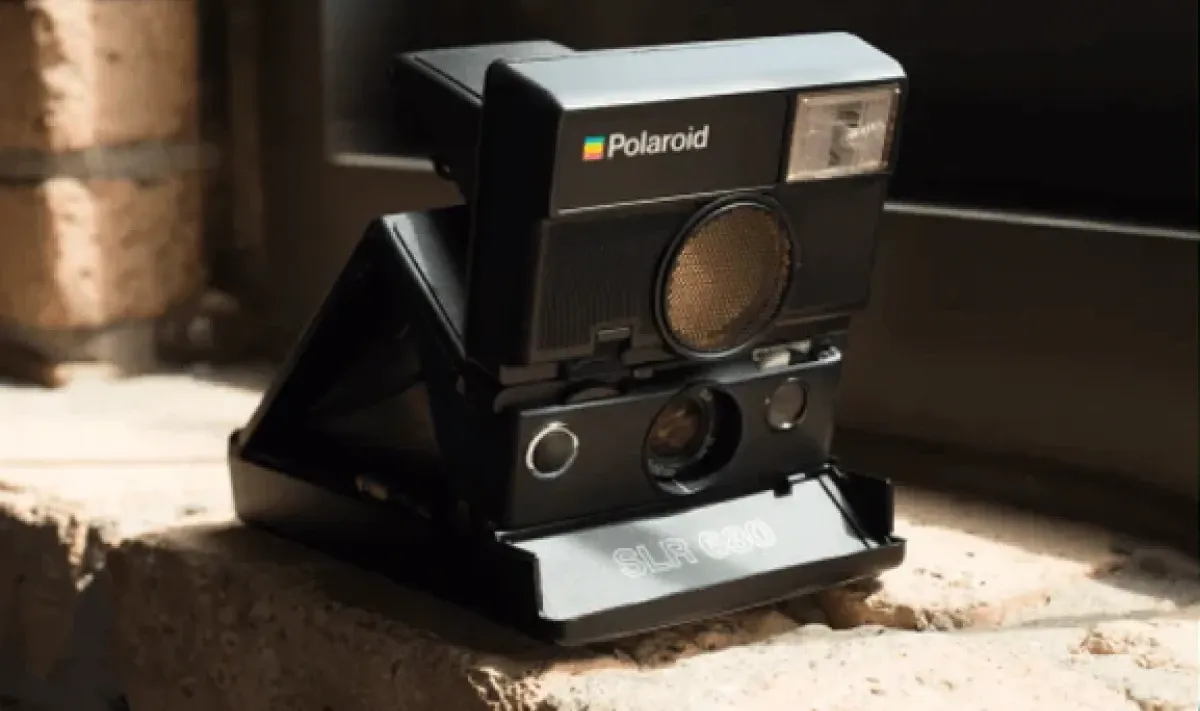
4. Polaroid 600 SE
A professional, Mamiya-built pack-film camera with interchangeable lenses. It looks nothing like the consumer models and is sought after by working photographers and collectors alike.
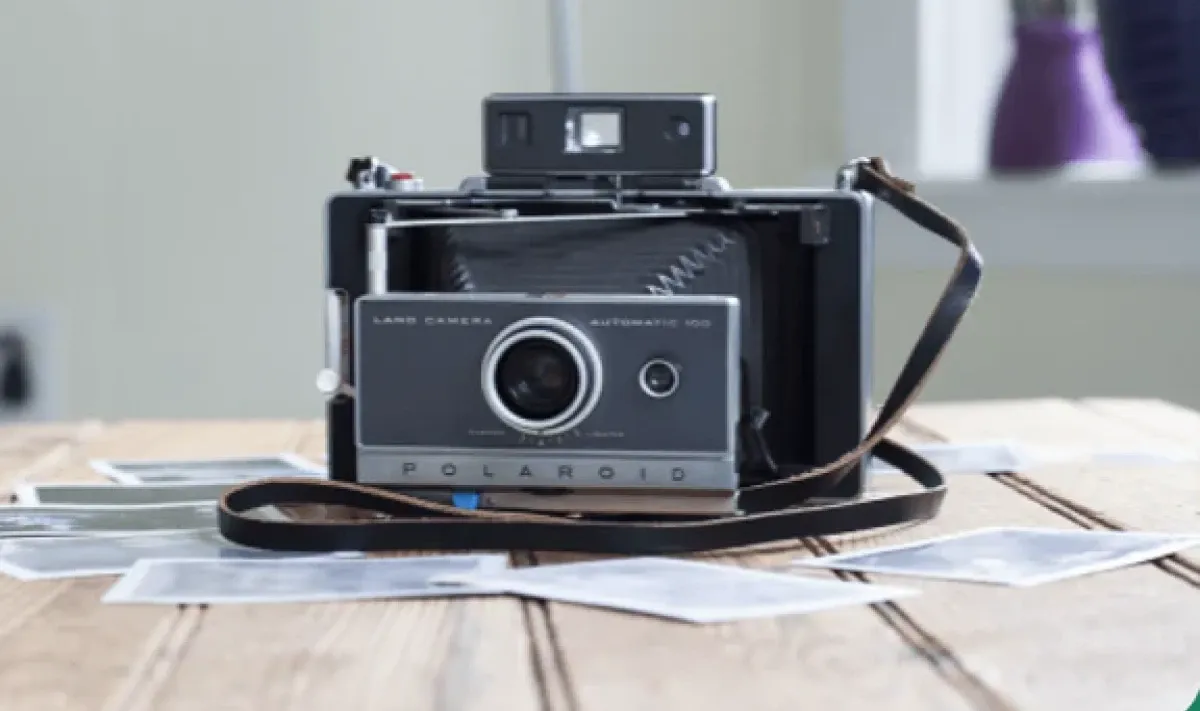
5. Polaroid Automatic 100 (1963)
The first Land camera to use peel-apart pack film, with automatic exposure and a folding bellows. Its place in history keeps it collectible, and clean examples with the original case sell well.
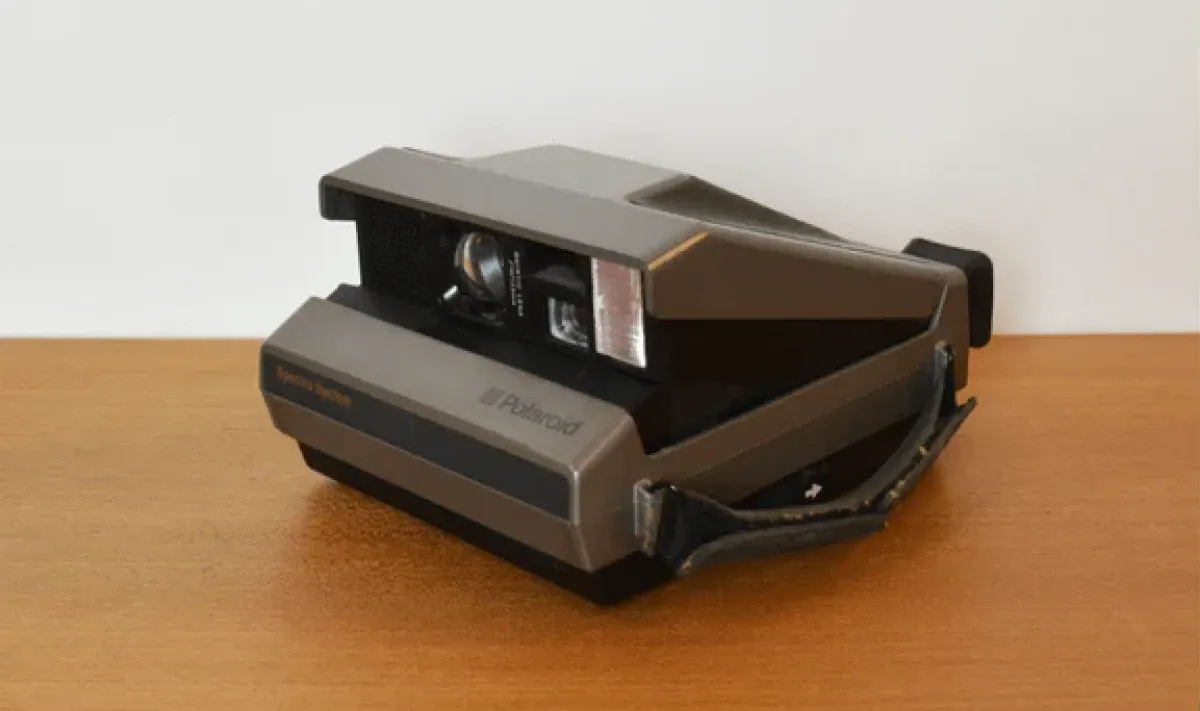
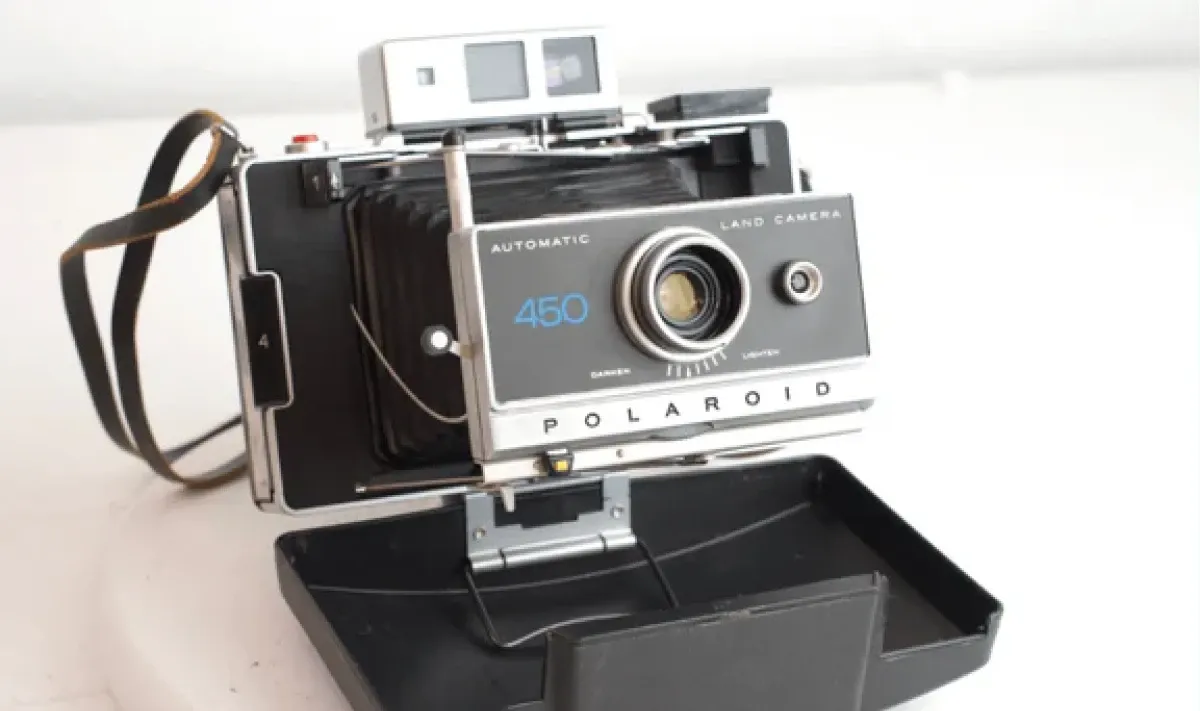
6. Polaroid 250, 350 and 450
Higher-end members of the folding pack-film family, with a better rangefinder than cheaper models. Good working copies are popular with photographers who still shoot pack film.
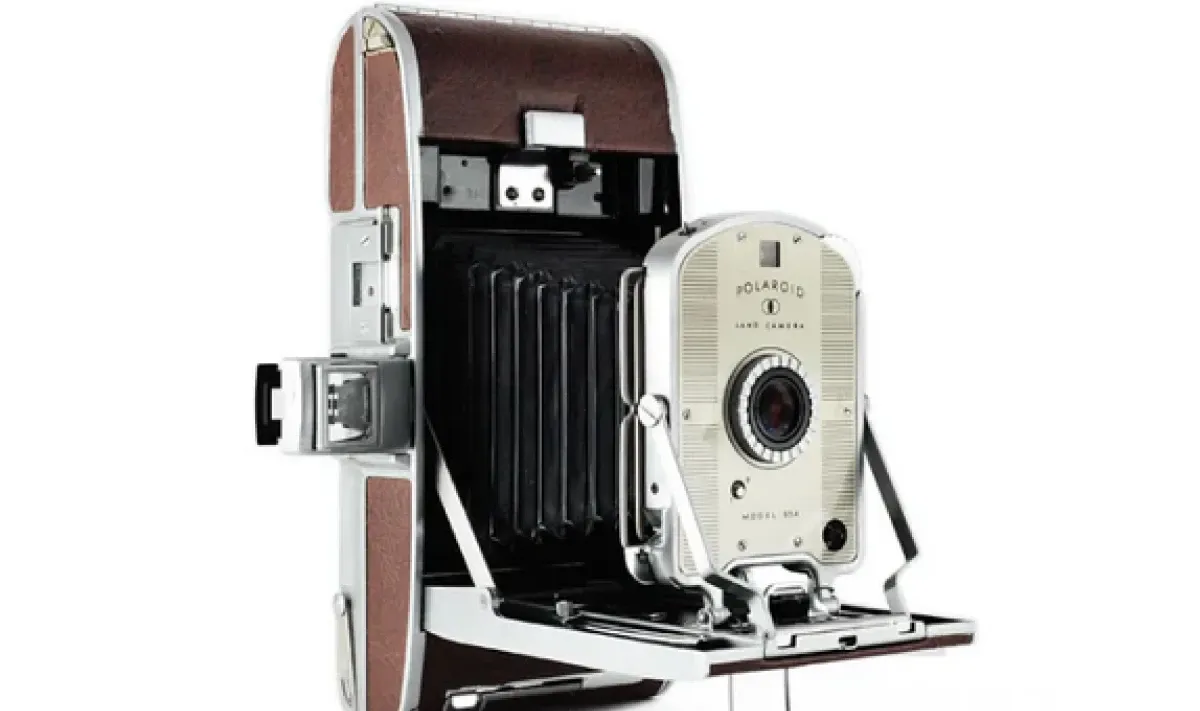
7. Polaroid Model 95 (1948)
The very first Land camera, which went on sale in 1948 and used a roll film that is long discontinued. It is mostly a display piece now, valued for being where instant photography began.
8. Polaroid 110A and 110B Pathfinder
Roll-film Land cameras with good lenses and manual controls. Few people use the original film any more, but these bodies are popular with hobbyists who convert them to take other film, which supports their value.
9. Polaroid Spectra (1986)
A wider-format camera with autofocus and more exposure control, sold as the Image system in some markets. Spectras are less prized than SX-70s, but working cameras still find buyers, depending on film availability at the time.
10. Special editions and unusual colours
Limited-edition finishes, brightly coloured 1980s models and promotional cameras can sell for more than standard versions of the same camera, especially in unused condition with the box.
How to value your camera in Hong Kong
Identify it exactly. Note the model name and any version or edition details printed on the body.
Check sold prices, not asking prices. Look at completed sales on international auction sites and recent listings on Carousell. What sellers ask and what buyers pay can be very different.
Test it if you can. Buy one pack of film and shoot a few frames, or ask a camera shop to check it. Proof of a working camera is the single easiest way to raise its price.
Ask people who know. Second-hand camera shops in Sham Shui Po and Mong Kok, and local film photography groups online, can tell you roughly what a model goes for and whether it is worth repairing.
Photograph it well. Clean it gently, shoot it in daylight from every angle, and show the lens, rollers and any flaws honestly.
Tips to get the best price
Clean dust and fingerprints from the body and lens with a soft cloth, and check the rollers for old chemical residue.
Gather every accessory and the original box or manual if you still have them.
Store it in a dry cabinet or a sealed box with silica gel while you sell, so humidity doesn't add fungus to the lens.
Be honest in your description. Collectors talk to each other, and accurate listings sell faster.
Before you sell: save the photos it took
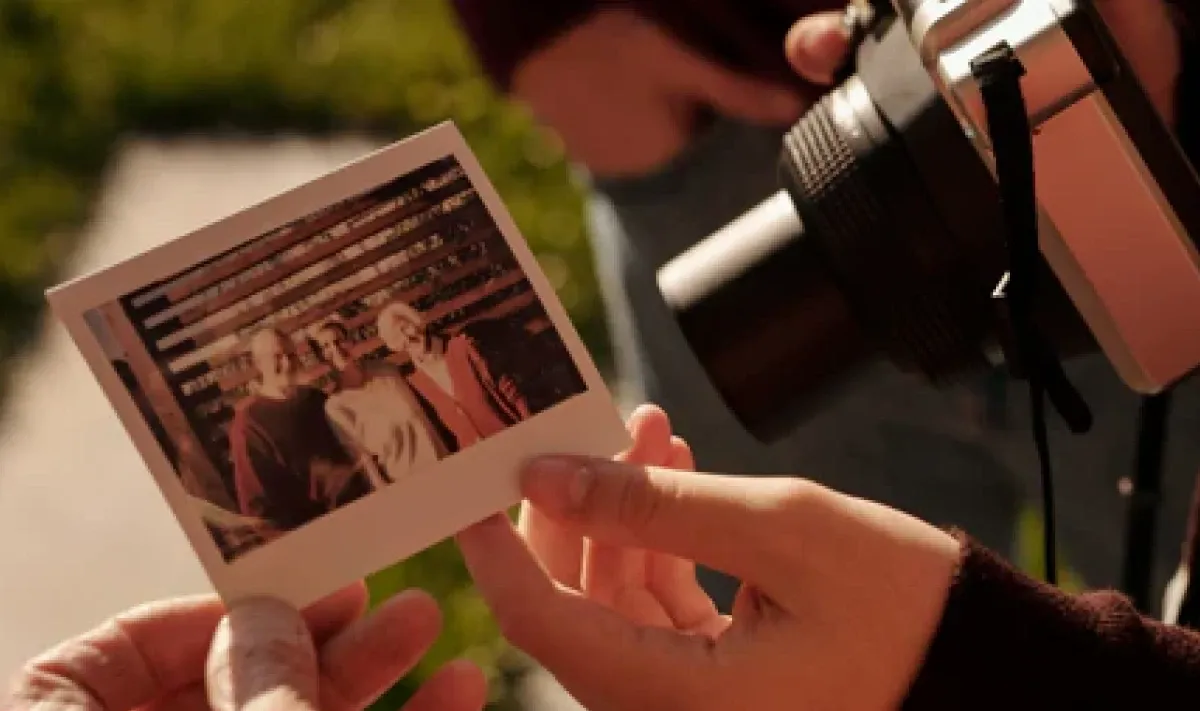
The camera may be worth a little or a lot, but the Polaroid prints in the drawer next to it are usually worth more to your family. Instant prints fade and shift colour over time, especially in humid conditions. Capture HK scans Polaroids and other prints from HK$3 per photo, and our Gold and Diamond plans add colour restoration for faded images. Prints stuck in albums are captured in place with no need to remove them. See our photo digitisation page for plans and prices.
Capture Reviews
Related Articles
You may also like these articles


Capture · Our team
Any Questions?
Feel free to contact
our Memory Specialists
Not sure what format you have or how best to handle it? WhatsApp us and one of the team will take a look.
WhatsApp us