When Did DVDs Come Out? The Story of the DVD from 1996 to Today


For a while, every Hong Kong living room had a stack of shiny discs next to the television: VCDs bought in Mong Kok, DVD box sets of TVB dramas, perhaps a wedding video burned onto a DVD-R by the videographer. The DVD felt modern for years, then disappeared almost as quickly as it arrived. So when did DVDs actually come out, where did the format come from, and what should you do with the discs still sitting in your drawers?
The short answer
The first DVD players went on sale in Japan in November 1996, with film titles following shortly after. The format reached the United States in March 1997 and Europe and the rest of Asia over the following years. The technical standard itself had been agreed in 1995, after rival electronics companies settled on a single design.
Before the DVD: tapes and big discs
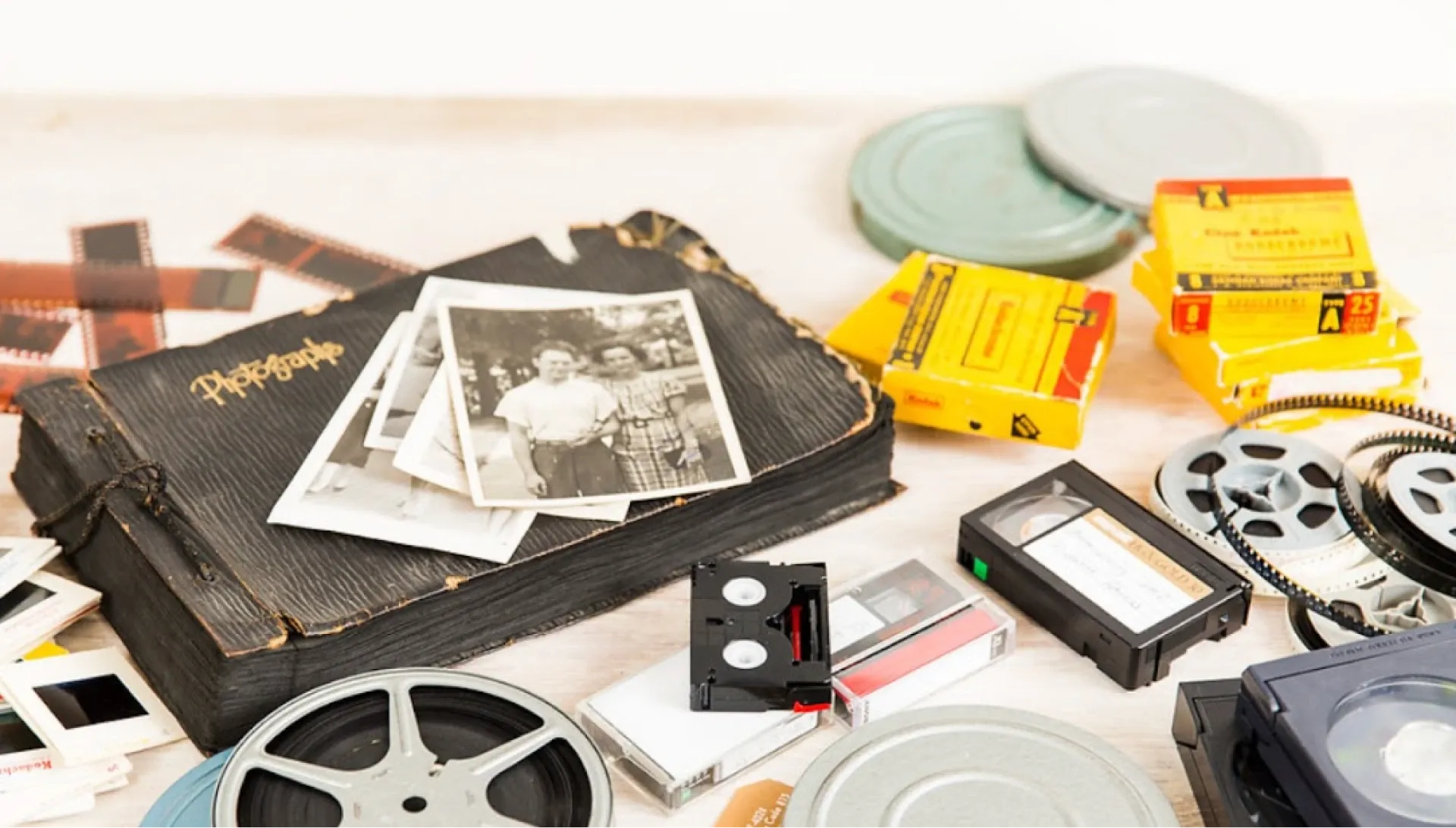
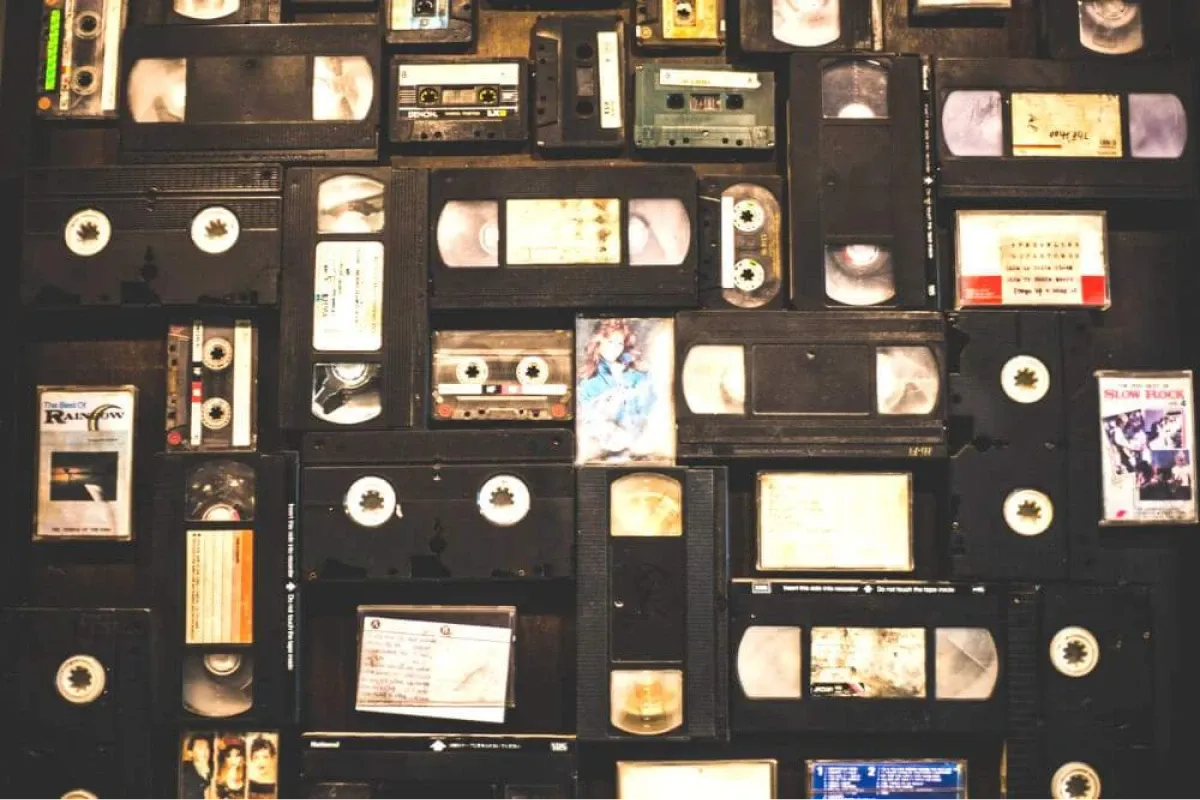
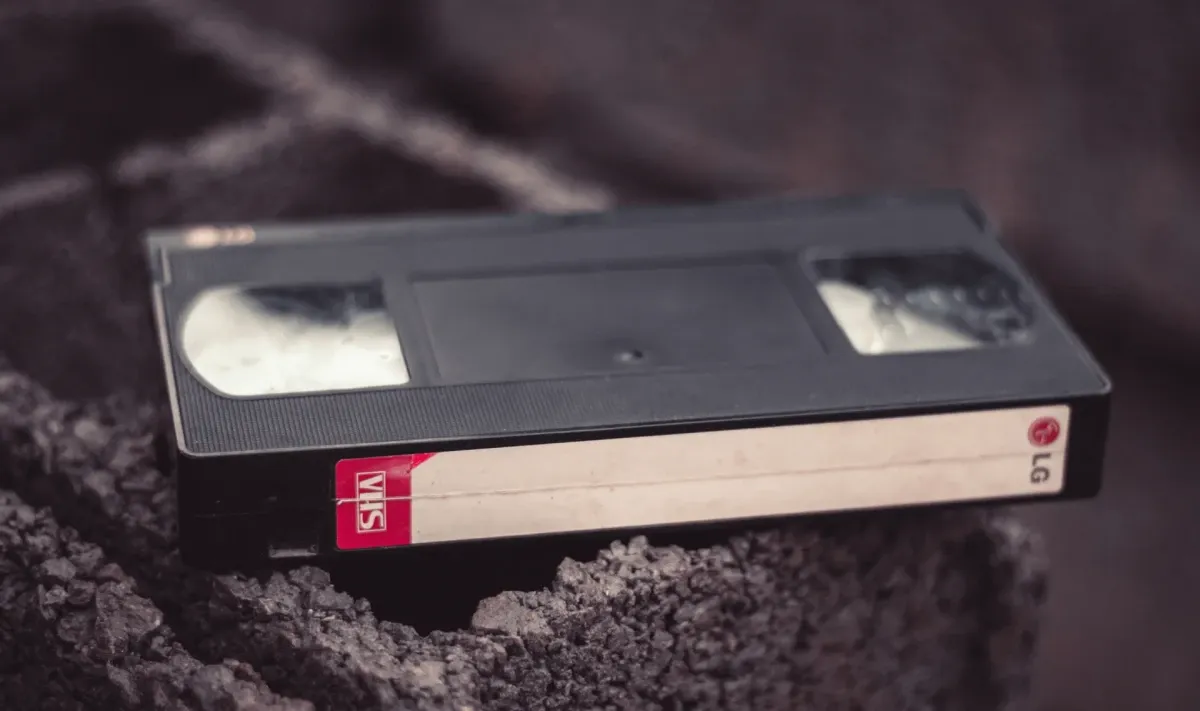
Home video began with magnetic tape. Sony's Betamax arrived in 1975 and JVC's VHS in 1976, and VHS won the battle to become the world's standard. Tape was convenient but had clear limits: soft picture, hiss on the sound, no way to jump to a scene, and wear every time you played it.
Optical discs offered an alternative. LaserDisc, launched commercially in 1978, used a laser to read a 30cm disc and gave a noticeably sharper picture than VHS. It never became mainstream in most countries, but it had a loyal following among film fans in Japan and Hong Kong. Its video was still analogue, though, and the discs were the size of an LP.
The audio CD, launched in 1982, proved that small digital discs could be cheap, durable and mass-produced. The question became how to fit a whole film on one.
Hong Kong's in-between format: the VCD
Here the story takes a local turn. In the 1990s, before DVD players were affordable, Hong Kong and much of Asia embraced the Video CD. A VCD held about 74 minutes of video on an ordinary CD, so most films came on two discs. The picture was roughly VHS quality, but the discs were cheap, small and didn't wear out like tape. For many Hong Kong families the VCD, not the DVD, was the first digital video they owned.
How the DVD was born
By the mid-1990s two groups were working on a high-capacity disc for films. Toshiba, with partners including Time Warner, backed a format called Super Density Disc. Sony and Philips backed the Multimedia Compact Disc. Film studios and computer companies did not want a repeat of the VHS against Betamax war, and pushed both sides to agree. In 1995 they merged their ideas into a single format: DVD.
The letters were first read as "digital video disc". Because the discs could also hold computer data, games and music, "digital versatile disc" was later suggested, and officially the name is simply DVD.

What made DVD such a leap
Capacity: a single-layer DVD holds 4.7 GB, against about 700 MB on a CD. Dual-layer discs hold 8.5 GB, and double-sided dual-layer discs up to about 17 GB.
Picture: digital video at 720 x 576 pixels in PAL regions like Hong Kong (720 x 480 in NTSC regions), clearly sharper than VHS or VCD.
Sound: digital surround sound and multiple audio tracks, so one disc could carry Cantonese, Mandarin and English soundtracks.
Subtitles and menus: selectable subtitles in several languages, chapters you could skip to instantly, and bonus features.
Durability: nothing touches the disc surface during play, so a well-kept pressed DVD doesn't wear out like tape.
Region codes
Studios split the world into numbered regions so films could be released at different times in different markets. Hong Kong sits in Region 3, with much of East and Southeast Asia, while North America is Region 1 and Europe Region 2. A disc bought abroad might refuse to play on a local player, which is why region-free players became popular with collectors.
How DVD took over, and then faded
DVD players were expensive at first, but prices fell quickly. Games consoles helped: Sony's PlayStation 2, released in 2000, could play DVD films, putting a DVD player into millions of homes. Recordable formats such as DVD-R and DVD+R followed, and many people used them to copy home videos from camcorder tapes. Camcorders that recorded straight onto small 8cm DVDs also appeared in the 2000s.
The next step came in 2006, when Blu-ray and HD DVD launched with high-definition video. HD DVD was dropped in 2008, leaving Blu-ray. But the bigger change was the internet. Downloads, then streaming, made physical discs feel unnecessary, and DVD sales fell steadily through the 2010s. Many new computers and laptops no longer come with a disc drive at all.
Your DVDs today: what to watch out for
Shop-bought DVDs are pressed and fairly durable. Home-burned discs are a different matter. Recordable DVDs store data in a layer of dye that can break down over the years, especially in heat, light and humidity. A wedding DVD or a disc of family photos burned in 2005 may already have unreadable sections.
Test your discs now on a computer or player. Freezing, skipping or a disc that won't load is an early warning.
Copy the contents off while they are still readable, to a computer, external drive and cloud account.
Store discs upright in their cases, away from sunlight and damp. In Hong Kong, a dry cabinet or a box with silica gel helps.
Hold them by the edges and don't write on them with ballpoint pen or stick on paper labels.

Getting your memories off old discs
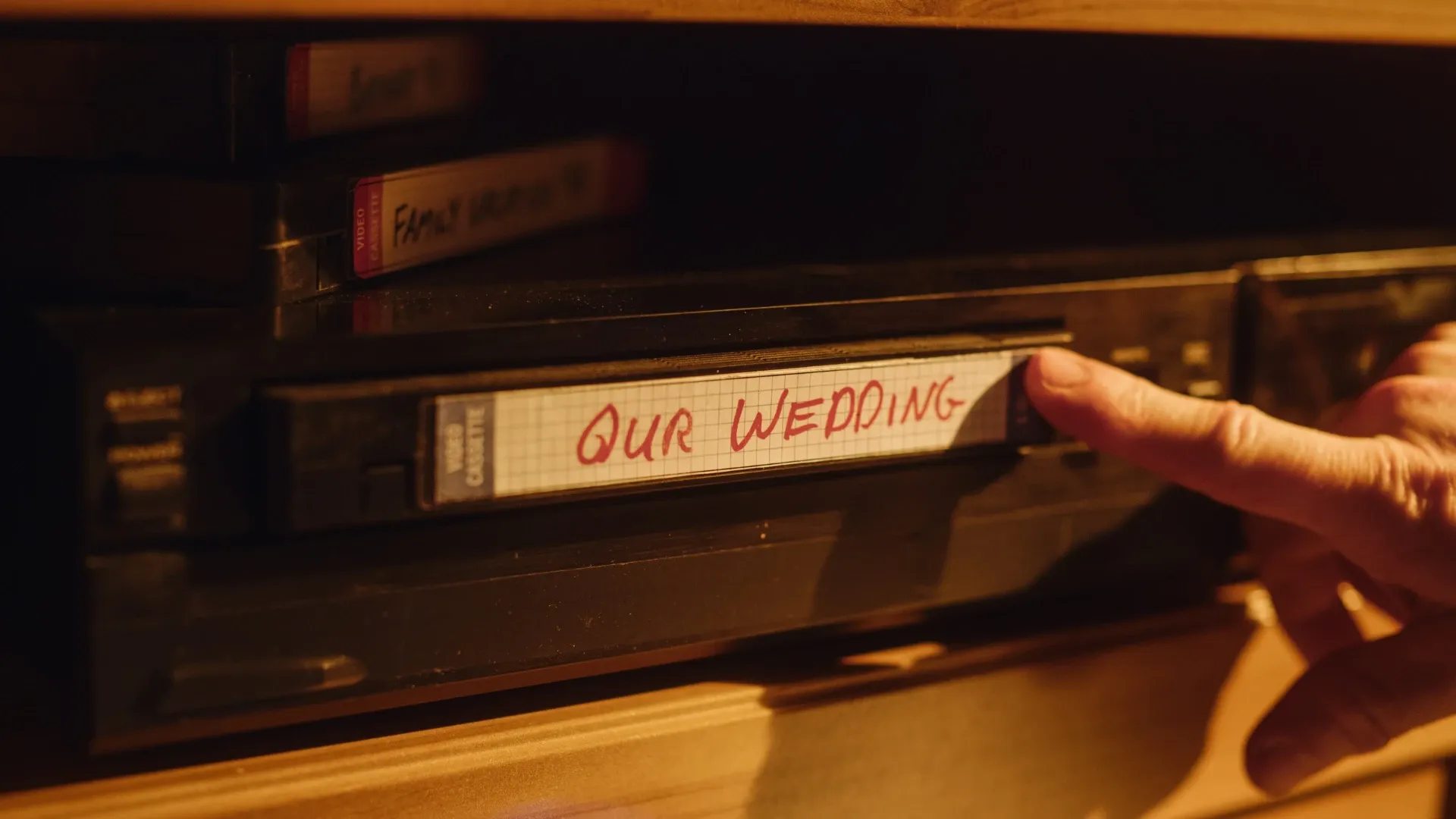
If your family photos or videos sit on CD-ROMs or DVDs, or on old memory cards from cameras, Capture HK can recover the data and copy it off, so the files are ready to back up and share. If you still have the original videotapes behind those DVDs, a fresh transfer from the tape usually gives better results than copying a compressed disc. Find out more on our digital media page or our videotape digitisation page, or WhatsApp us on +852 2882 8707 to ask about your discs.
Capture Reviews
Related Articles
You may also like these articles


Capture · Our team
Any Questions?
Feel free to contact
our Memory Specialists
Not sure what format you have or how best to handle it? WhatsApp us and one of the team will take a look.
WhatsApp us