Old Photo Self-Storage: A Complete Beginner's Guide to Moving Your Memories into a New Home

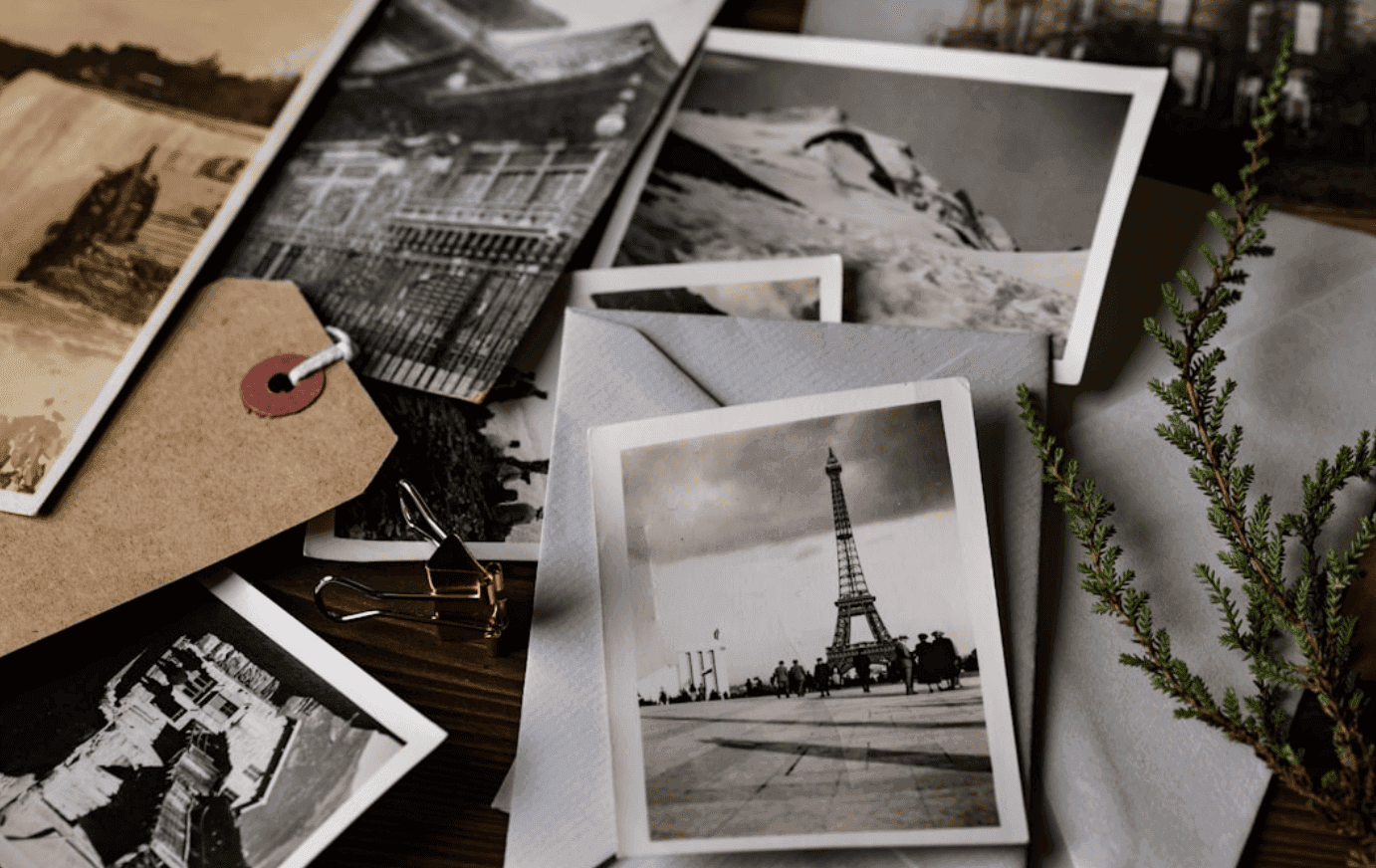
Everyone has boxes of old family photos and heavy albums they cannot bear to throw away, yet have no room to store—childhood family portraits, parents' wedding photos, vintage film prints, and graduation travel snaps. As Hong Kong living spaces shrink, "old photo self-storage" has emerged as an ideal modern solution: relocating your precious memories to a safe, climate-controlled, accessible space. This guide covers facility selection, packing techniques, and long-term preservation strategies to give your vintage photos a secure new home.
Why Rent a Self-Storage Unit for Old Photos?
1. Compact Hong Kong Homes vs. Irreplaceable Memories
Self-storage operators frequently highlight photo albums as prime candidates for unit storage. While individual prints are light, collections take up substantial volume. Storing dozens of heavy, thick albums in home bookcases or under bed frames exposes them to moisture, mold, and yellowing. Self-storage provides a dedicated home for nostalgic keepsakes, resolving the dilemma of wanting to preserve family history without sacrificing living space.
2. Hong Kong's Climate Is Harsh on Paper Photographs
Prolonged high temperatures and humidity accelerate the oxidation of photo emulsion layers, causing prints to stick together or grow mold. Furthermore, acidic chemicals in standard wooden cabinets and cheap cardboard boxes cause photo paper to yellow and become brittle. Older residential buildings with seepage or efflorescence (salt blooms) speed up this damage. Storage facilities equipped with climate control and commercial dehumidification offer a dry, stable environment that protects paper prints, film negatives, and slides.
3 Essential Questions Before Choosing a Storage Facility
1. Is There Climate Control or Active Dehumidification?
The optimal environment for photo preservation requires temperatures between 18–23°C and relative humidity levels of 30–50% with minimal fluctuations. When inquiring with storage providers, confirm:
- Is air conditioning running 24/7 year-round?
- Does the facility feature automated climate control, humidity monitoring, or dedicated industrial dehumidifiers?
- Are there strict facility policies against storing damp or water-damaged paper goods?
2. What Are the Security and Privacy Measures?
Because old photos carry irreplaceable sentimental value, facility security is paramount:
- Access Control: Is entry secured via smart cards or PIN keypads?
- 24/7 CCTV: Are corridors covered by continuous surveillance without blind spots?
- Insurance: Does the operator provide content insurance options or third-party coverage referrals?
3. Location and Access Protocols
Select a facility based on convenience and accessibility:
- Proximity: Choose a location close to your home, workplace, or parents' residence.
- Access Hours: Verify whether 24/7 self-service access is available or restricted to office hours.
- Door-to-Door Box Services: Check if the operator offers doorstep pickup and delivery options for heavy boxes of albums.
5 Essential Preservation Steps Before Moving Photos to Storage
1. Sort and Declutter
Organize photos by decade, family member, or theme (e.g., "Parents' Wedding," "Childhood Memories," "Travel," "Ancestors"). For duplicate shots or heavily damaged, blurry prints, keep only the clearest version to avoid storing clutter. Create a master index (using Excel or Notion) so specific albums can be located easily later.
2. Use Acid-Free, Breathable Packaging Materials
Avoid standard plastic grocery bags or low-quality plastic containers, which release volatile chemicals over time that cause photo paper to yellow. Completely airtight containers can trap residual moisture and foster mold growth.
- Recommended Packaging: Store prints inside acid-free envelopes or archival photo sleeves, then place them into acid-free archival boxes.
- Desiccants: Include several silica gel packets inside each box and replace them periodically.
- Album Cleaning: Wipe dusty or lightly molded album covers with a dry cloth before packing. For severe mold on outer covers, discard the outer binding and archive the interior pages safely.
3. Digitize Essential Photos for Cloud Backups
Before placing physical media into long-term storage, create digital backups of your most cherished prints:
- Professional Scanning Services: Services like Capture HK offer high-resolution scanning of physical prints and complete photo albums—restoring faded colors without requiring individual prints to be removed from album pages. Local photo studios also offer digital transfer services starting around HK$5 per print (4R size and below).
- DIY Digitization: Use a home flatbed scanner (set to 600 dpi or higher) or dedicated smartphone scanning apps to convert photos into digital files, then upload them to cloud storage (e.g., Google Photos, iCloud).
Core Strategy: Digitize first, then place physical originals in self-storage. This ensures that even in the event of unforeseen disasters like water leaks or fires, your family history remains protected.
4. Label Boxes and Maintain an Index
Label every box clearly with its contents (e.g., "1990–1999 Family Vacations," "Dad's Childhood Photos"). Snap a quick photo of the items inside each open box before sealing it, and save the reference image on your phone to make future retrieval effortless.
5. Perform Routine Storage Inspections
Visit your storage unit at least once or twice a year to inspect your collection:
- Check box exteriors for moisture marks or damp odors.
- Replace depleted silica gel packets.
- Inspect photo album pages to ensure prints are not sticking together.
Allocation Strategy: Storage Unit vs. Home vs. Cloud
Media preservation experts recommend a three-tiered protection model:
- Home (Daily Browsing): Keep current, frequently viewed albums at home (e.g., recent family gatherings, children's milestone albums).
- Self-Storage (Physical Master Archive): Store the bulk of historical physical prints, film negatives, slides, and vintage albums packed in acid-free materials with desiccants.
- Cloud & Hard Drives (Digital Backup): Upload your top 200–500 digitized photos to secure cloud storage, backed up to an external hard drive or NAS.
Who Should Use Photo Self-Storage?
- Families Preparing for Home Renovations or Moves: Temporarily store delicate photo albums away from dust, paint, and construction risks during structural work.
- Siblings Sharing Family Heirlooms: Store shared family history in a centrally located, climate-controlled unit accessible to all family members.
- Photographers and Collectors: Keep extensive collections of film negatives, enlarged prints, and darkroom work preserved in stable environmental conditions.
- Family Historians and Genealogists: Retain physical historical documents while referencing digital copies for daily research.
Preserve Your Cherished Memories: Capture Album Digitization Service
Do you own boxes of precious vintage family photographs, but worry about them fading or deteriorating over time? If you want to digitize these memories for effortless sharing and long-term protection, Capture HK provides professional photo album digitization services, converting physical photos into high-resolution digital files built to last.
Capture HK utilizes commercial-grade scanning technology to ensure every digital output is sharp and detailed, faithfully preserving original color tones and fine textures. Flexible digital file formats make viewing across modern devices effortless. Every photo is handled under strict conservation standards, ensuring your family history remains safe and protected.
The Frame Digital Photo Frame
Looking for an elegant way to display your newly digitized photo library? Capture's The Frame digital photo frame seamlessly showcases a lifetime of cherished moments in your living space.
Designed with a sleek aesthetic and a high-definition display panel, The Frame features simple, intuitive controls for organizing and rotating your photo collection. Place it in your living room, bedroom, or workspace to add warmth, personality, and vivid memories to your daily environment.
Sources & References