Video Tape Self-Storage: Finding a Safe New Home for VHS, DV, and Family Tapes

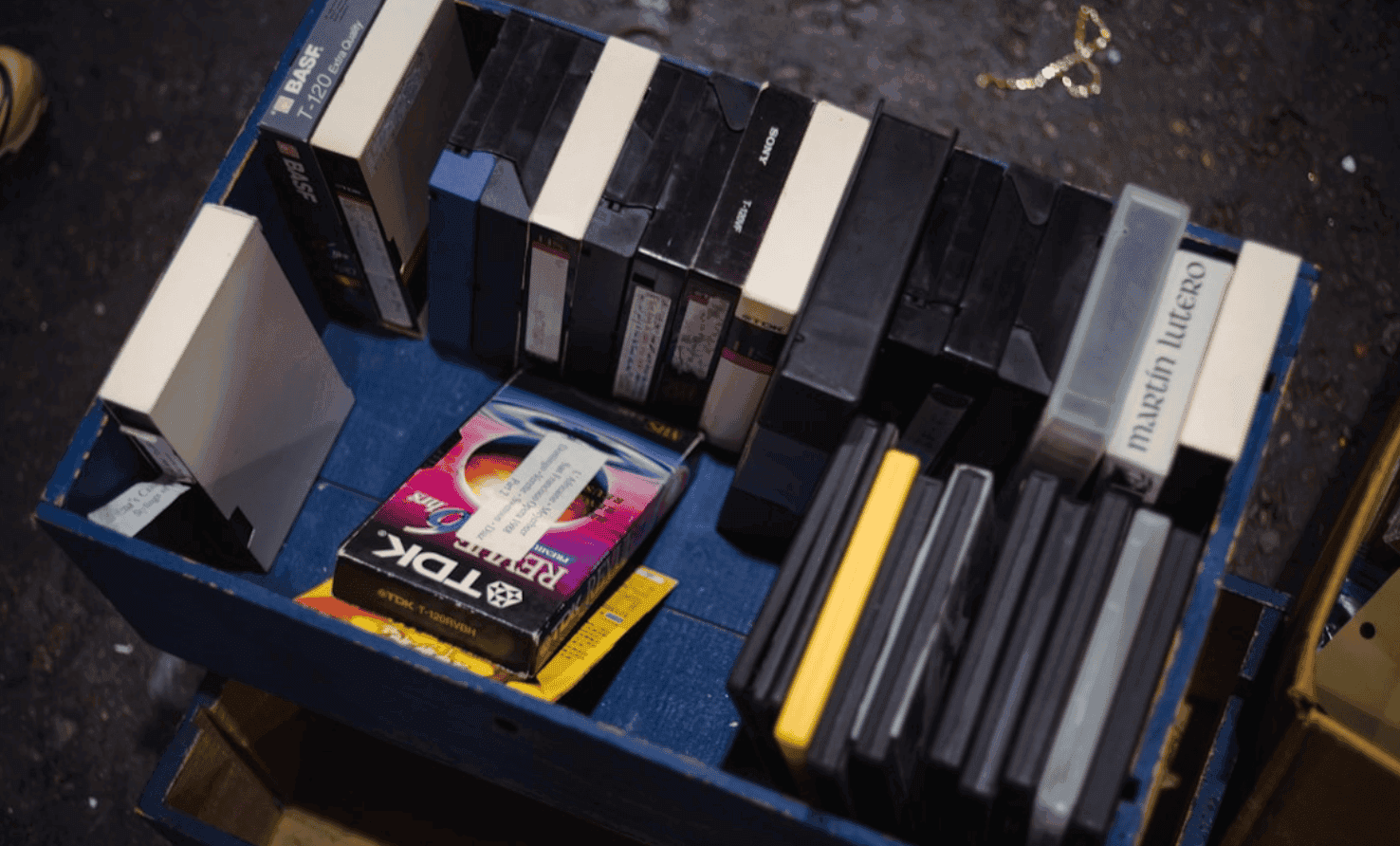
Still have boxes filled with VHS, VCD, MiniDV, Hi8, or LaserDisc tapes at home, but lack a working VCR or the heart to throw them away? These physical keepsakes—holding home movies, weddings, baby celebrations, and graduations—are surprisingly delicate and highly vulnerable to mold, heat, and magnetic interference. If home storage is tight, pairing climate-controlled self-storage with digital backups provides a practical way to preserve your memories. Here is everything you need to know about facility selection, packing, and ongoing care.
Why Move Video Tapes Out of Your Home?
1. Video Tapes Degrade Faster Than You Think
Unlike printed photos, magnetic video tapes face unique physical degradation risks:
- Tape Stretching and Distortion: Exposure to high ambient temperatures renders magnetic tape brittle and warped, leading to severe playback jams ("tape eating").
- Magnetic Signal Loss: Magnetic charge diminishes over time, causing visual noise, color distortion, and audio dropouts.
- Mold Damage: High humidity fosters white or gray mold spores on the tape ribbon, which permanently scratch magnetic surfaces during playback.
If your living space is compact, warm, and humid—such as apartments with open kitchens, storage units near windows exposed to sunlight, or cabinets adjacent to bathrooms—it creates an unfavorable environment for magnetic tape survival.
2. Self-Storage Solves Space Constraints and Improves Environmental Protection
Homeowners often face two practical dilemmas:
- Home renovations or moves require temporary, secure storage for multiple boxes of tapes and legacy playback hardware.
- Shelves filled with inherited family tapes sit unused, yet disposing of them feels unthinkable.
Moving tapes to self-storage addresses two key needs:
- Frees Up Living Space: Relocates bulky tape collections, VCRs, camcorders, and projectors out of your main living area.
- Provides Environmental Stability: Unlike storage balconies or kitchens, an air-conditioned indoor storage facility offers consistent temperatures and humidity levels, significantly slowing physical degradation.
Essential Pre-Storage Preparation
1. Digitize Irreplaceable Tapes First
Before packing tapes into a storage facility, complete this critical step:
- Identify your most irreplaceable tapes—such as family home movies, wedding recordings, graduations, and early childhood clips—and back them up digitally.
- Professional Transfer Services: Work with local digitization studios specializing in VHS, MiniDV, or Hi8 conversion to MP4 or DVD formats.
- DIY Transfer: Purchase a USB video capture card, connect a working VCR or camcorder to your computer, and digitize the footage manually.
Priority Rule: Focus digitization efforts on personal and family recordings. Commercial releases (such as retail VHS movies) can often be streamed or repurchased digitally, making physical preservation less critical.
2. Clean and Inspect Tapes to Prevent Mold Spread
Inspect all media prior to long-term storage:
- Wipe visible white mold off cassette outer casings using a slightly damp microfiber cloth or alcohol wipe. Allow shells to dry completely before packing.
- If inspection reveals mold growth, wrinkles, or damage on the internal magnetic tape ribbon, mark the tape clearly (e.g., "Mold Issue / Pending Treatment"). Avoid loading damaged tapes into a VCR, as loose mold spores can permanently ruin player heads.
- Tapes that are heavily moldy and contain non-essential content should be considered for safe disposal.
3 Key Criteria for Selecting a Storage Facility for Video Tapes
1. Environmental Controls: Temperature, Humidity, and Light
Optimal preservation conditions for magnetic media require:
- Temperature: Maintained between 18–23°C.
- Relative Humidity: Kept consistently between 30–50%.
- Protection: Complete shielding from direct sunlight, extreme temperature swings, and proximity to water pipes.
When evaluating facilities, verify:
- Is 24/7 air conditioning and active dehumidification enforced year-round, or restricted to business hours?
- Are storage corridors fully enclosed indoors, rather than outdoors behind roll-up metal gates?
- Is the storage unit positioned away from top-floor roofs and plumbing stacks to minimize leak risks?
While climate-controlled or specialty storage facilities command slightly higher rental rates, they offer a far safer environment for sensitive analog media.
2. Security and Access Controls
Personal recordings often contain sensitive private media (family events, company archives, or school performances). Confirm that the facility offers:
- Keycard or digital PIN access systems that restrict entry to authorized tenants.
- 24/7 CCTV surveillance coverage without blind spots.
- Flexible access permission setups if third-party digitization vendors need temporary entry to retrieve boxes on your behalf.
If your tapes contain confidential corporate data, choose a well-managed storage operator with clear security protocols.
3. Location and Access Flexibility
While storage units are primarily used for long-term preservation, you may occasionally need to retrieve specific items:
- Confirm whether 24/7 self-service access is available.
- Check for loading docks, freight elevators, parking spaces, and hand trucks to simplify transport.
- Look for flexible lease terms (such as short-term 3-month options) before committing to a long-term agreement.
Packing Techniques for Tape Storage
1. Use Heavy-Duty Cardboard or Plastic Containers
Stacked tapes exert substantial downward force. Under humid conditions, thin cardboard boxes easily collapse.
- Use heavy-duty moving boxes or durable plastic storage bins with tight-fitting lids.
- Line the bottom of each container with thick cardboard or bubble wrap to buffer against moisture.
- Avoid using old, damp cardboard boxes retrieved from balconies or open-air areas.
2. Store Tapes Upright to Prevent Tension Damage
When packing:
- Position VHS, Video8, and MiniDV tapes upright side-by-side (like books on a shelf) rather than stacking them flat or diagonally.
- Leave minor breathing room in each box to prevent crushing tapes during transit.
- Place heavier containers at the bottom and avoid resting heavy objects (such as books or equipment) on top of tape boxes.
3. Use Desiccants and Clear External Labels
- Include several silica gel desiccant packs inside each box, and replace them periodically.
- Clearly label box exteriors with:
- Content Details: (e.g., "Family VHS 1980–1999").
- Media Formats: (e.g., "MiniDV / Hi8 / Betamax").
- Consider photographing individual tape labels and building a simple digital index (via smartphone or Excel) for effortless searching later.
The Ultimate Strategy: Storage + Digital Backups
1. Why Storage Alone Is Not Enough
Even in a well-managed storage facility, magnetic tape naturally degrades over time:
- Magnetic signals are physical analogue records that fade over decades.
- Unforeseen incidents—such as power failures, localized leaks, or extreme weather—can put physical media at risk.
Physical storage slows down aging, but it cannot prevent it indefinitely. Comprehensive protection requires a digitization + multi-layer backup strategy.
2. Recommended Preservation Architecture
- Physical Storage Facility (Original Tapes): Clean, pack, and store original tapes in a climate-controlled unit as a physical master baseline.
- Local Hard Drives / NAS (Primary Digital Backup): Save digitized MP4 files onto external hard drives or network-attached storage (NAS), periodically checking file integrity.
- Cloud Storage (Secondary Digital Backup): Upload key videos to cloud services (Google Drive, iCloud, or OneDrive) to ensure footage remains safe even if physical drives fail.
This three-tiered strategy safeguards your content against physical loss while providing a physical fallback if a digital drive suffers corruption.
Who Should Consider a Storage Unit for Video Tapes?
- Families with Large Tape Collections: Households holding cabinets of VHS, Video8, or MiniDV tapes spanning generations.
- Professional Videographers and Event Studios: Studios retaining legacy client tapes, wedding archives, or corporate event masters.
- Schools, Non-Profits, and Religious Organizations: Institutions holding decades of recorded lectures, performances, and historical events on analog formats.
- Collectors of Vintage Media: Enthusiasts managing collections of rare LaserDiscs or limited-edition VHS releases.
If you only own a few scattered tapes, renting a storage unit may not be necessary—digitizing the footage directly and storing the physical tapes in a dry spot at home is often sufficient. However, if your collection spans multiple boxes, a climate-controlled self-storage unit effectively solves both space constraints and environmental risks.
Preserve Your Cherished Memories: Capture Album Digitization Service
Do you own boxes of precious vintage family photographs, but worry about them fading or deteriorating over time? If you want to digitize these memories for effortless sharing and long-term protection, Capture HK provides professional photo album digitization services, converting physical photos into high-resolution digital files built to last.
Capture HK utilizes commercial-grade scanning technology to ensure every digital output is sharp and detailed, faithfully preserving original color tones and fine textures. Flexible digital file formats make viewing across modern devices effortless. Every photo is handled under strict conservation standards, ensuring your family history remains safe and protected.
The Frame Digital Photo Frame
Looking for an elegant way to display your newly digitized photo library? Capture's The Frame digital photo frame seamlessly showcases a lifetime of cherished moments in your living space.
Designed with a sleek aesthetic and a high-definition display panel, The Frame features simple, intuitive controls for organizing and rotating your photo collection. Place it in your living room, bedroom, or workspace to add warmth, personality, and vivid memories to your daily environment.
Sources & References