Cassette Tape Mini Storage: Finding a Safe Home for Tapes, Vinyl Demos, and Band Recordings

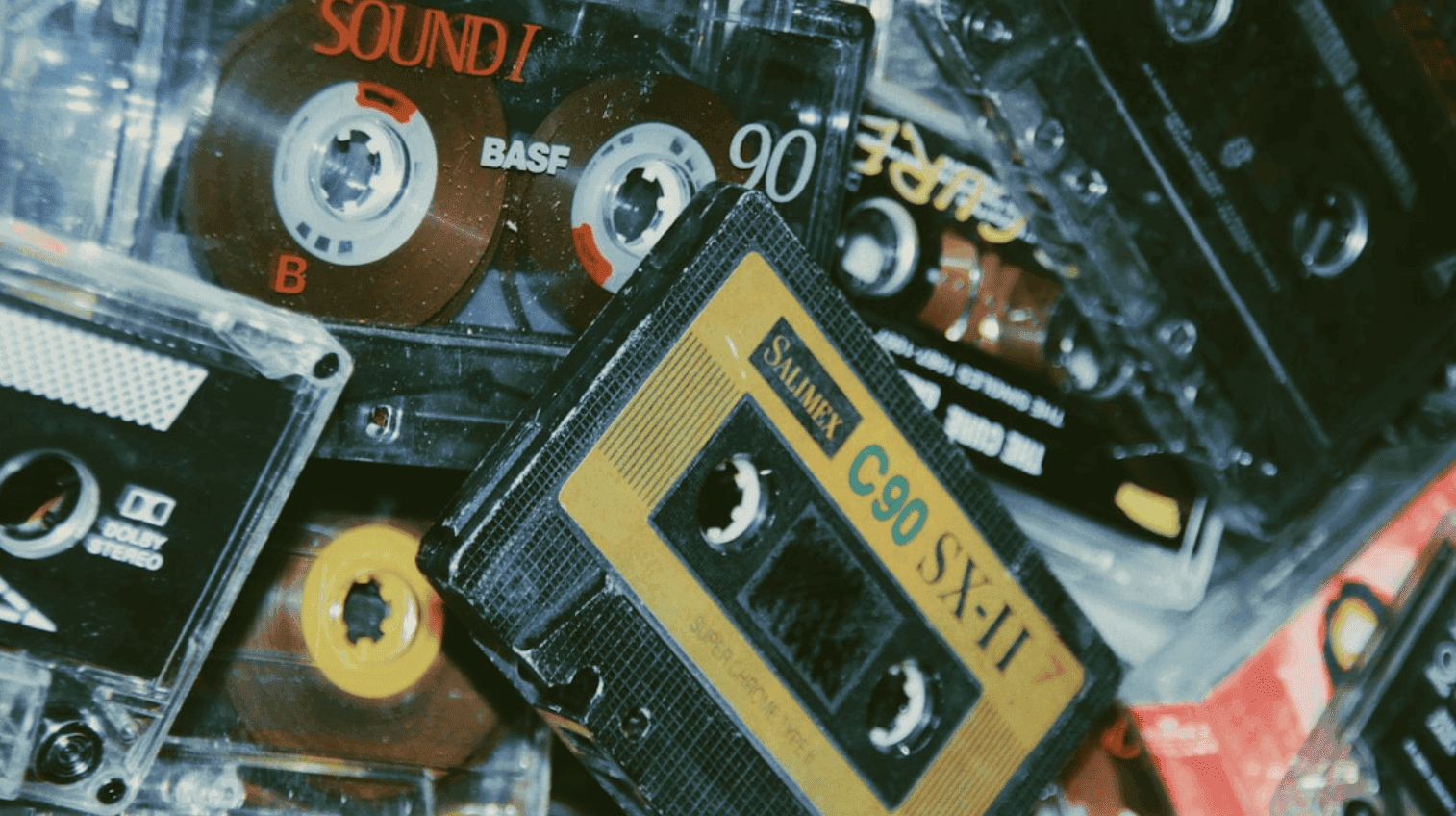
Cassette Tape Mini Storage: Finding a Safe Home for Tapes, Vinyl Demos, and Band Recordings
Is your home still stuffed with 1980s and 90s cassette tapes, demo tapes, radio recordings, or even rare live concertbootlegs? These magnetic tapes are slowly deteriorating in Hong Kong's humid climate while cluttering up drawers, under-bed spaces, and bookshelves. If you want to hold onto these memories while freeing up living space, pairing a climate-controlled mini storage unit with proper packing, moisture protection, and digital backups offers the most reliable solution.
Why Move Audio Tapes to Storage Instead of Keeping Them at Home?
1. Audio Tapes Are Surprisingly Delicate
Like video cassettes, audio tapes consist of plastic film coated with magnetic powder that degrades naturally over time. Key risks include:
- High Temperatures: Heat warps and stretches magnetic tape, leading to tape jams during playback.
- High Humidity: Excess moisture causes magnetic coatings to absorb water and mold, scratching the magnetic surface during playback and damaging tape heads.
- Signal Degradation: Magnetic signals fade year by year, leading to muffled sound and elevated noise floors.
Archival guidelines from public records authorities emphasize that magnetic audio and video tapes should be stored in climate-controlled indoor spaces away from direct sunlight, heat sources, and water ingress. Storing magnetic media at 18–23°C with 30–50% relative humidity significantly slows down signal loss.
2. Hong Kong Homes: Hot, Humid, and Compact
Hong Kong maintains relative humidity levels between 70% and 90% for much of the year. Furthermore, many apartments share common risk factors:
- Dry air is only present when air conditioning is actively running; spaces become hot and humid otherwise.
- Storage areas are often positioned near bathrooms, kitchens, or windows, exposing contents to steam or water seepage risks.
- Cassettes are frequently stuffed into wooden cabinets or cardboard boxes, which readily absorb moisture and foster mold growth.
Storage providers like RedBox note that paper, fabric, and collectibles deteriorate rapidly in damp environments. Choosing a mini storage unit equipped with humidity controls serves as a vital first defense against mold.
How to Choose a Mini Storage Unit for Audio Tapes
While storage facilities rarely advertise units specifically for cassette tapes, you can select an optimal unit by following standards established for vinyl records and delicate collectibles.
1. Essential Factors: Temperature, Humidity, and Indoor Environment
Guides for vinyl storage recommend maintaining indoor environments around 18–21°C and 30–40% relative humidity, shielded from dampness and direct sunlight. Because magnetic tape is equally sensitive, confirm the following features before renting:
- Is the facility equipped with 24/7 air conditioning or temperature control?
- Does the facility feature active humidity control or commercial dehumidifiers?
- Is the unit fully indoor rather than an outdoor metal-gate layout?
As StorHub notes in its media preservation guides, storing sensitive physical media over long periods requires specialized climate-controlled self-storage.
2. Security, Access Control, and Privacy
Tape collections often contain personal or sensitive material, such as band demos, home recordings, interview tapes, or meeting logs. Ensure the facility offers:
- Keycard or passcode access to prevent unauthorized entry.
- 24-hour CCTV surveillance with adequate footage retention.
- Management by an established, reputable storage operator to guarantee strict safety and fire compliance standards.
Capture HK highlights that security and brand reputation are as important as rental price when storing irreplaceable items.
3. Location and Access Models
Storing audio tapes typically involves long-term preservation with occasional access:
- Choose a location near your home or your parents' residence if you plan to visit together to retrieve tapes for listening.
- If you intend to retrieve tapes in batches for digitization, select a facility offering 24/7 self-service access.
- For extensive collections, consider door-to-door storage box services (such as Spacebox) to collect boxes directly from your home, avoiding transport hassles.
Pre-Storage Preparation: Tape Handling and Packing Tips
1. Digitze Your Most Irreplaceable Tapes First
Media preservation experts recommend digitizing critical content as early as possible, regardless of whether you plan to rent storage:
- Magnetic media inevitably degrades over time; convert irreplaceable family recordings, original demos, and rare live tracks to high-resolution digital formats like WAV, FLAC, or high-bitrate MP3.
- If you lack a cassette deck or audio interface, seek out local audio tape digitization services.
- Industry preservation reports consistently warn that magnetic tape becomes unstable after 20 to 30 years, making early backup essential.
2. Inspect and Clean Tapes Before Packing
Archival media guidelines suggest checking tapes for the following issues before long-term storage:
- Cracks, loose screws, or damage on the cassette shell.
- Wrinkled, stretched, or snapped magnetic tape edges.
- Visible mold spots or dust on the tape reel.
If light mold is present on the outer cassette casing, wipe it gently with a soft cloth and allow it to dry completely. Tapes with heavy internal mold should be marked separately and kept out of tape decks to prevent damaging player heads.
3. Packing Essentials: Containers, Desiccants, and Labels
Apply these core packing techniques to protect your tapes:
- Use Climate-Controlled Storage and Sealed Containers: Store tapes inside durable plastic containers with tight-fitting lids to block ambient humidity.
- Ensure Items Are Thoroughly Dry: If tapes were exposed to damp conditions, let them dry in a climate-controlled room before packing.
- Add Desiccants: Place several silica gel packets in the corners of each container and replace them every few months.
- Store Vertically: Like vinyl records, store cassette tapes upright side-by-side to prevent shell warping and uneven reel tension over long periods.
How to Maintain Tapes in Mini Storage Long-Term
1. Target Storage Parameters
Combining preservation guidelines for vinyl and magnetic media yields these optimal storage targets for cassette tapes:
- Temperature: Approx. 18–23°C (standard air-conditioned indoor climate).
- Relative Humidity: 30–50% (avoid humidity above 60%).
- Light Exposure: Keep away from direct sunlight; complete darkness is ideal.
While cool-storage environments (8–12°C) offer ultra-long-term preservation, standard air-conditioned indoor storage provides a practical and effective compromise.
2. Periodic Inspections and Tape Winding
Archival institutions recommend performing routine maintenance on stored media:
- Inspect Every 1–2 Years: Open select boxes to check for damp odors or mold spots.
- Exercise the Tapes: Fast-forward each tape completely to the end and rewind it back to the beginning. This redistributes tape pack tension and reduces long-term stress on specific sections of the ribbon.
While personal collections may not require library-grade maintenance schedules, visiting your unit every few years to check on your collection helps ensure long-term preservation.
Mini Storage + Cloud Backup: A Dual-Protection Strategy
Create a two-tier preservation system to secure your audio collection:
- Mini Storage Unit (Physical Media): Clean, pack, and store your original tapes inside an air-conditioned, dehumidified indoor facility. Clearly label all boxes with content types and dates.
- Digital Archives (Hard Drive + Cloud): Save digitized WAV, FLAC, or MP3 files across two separate physical hard drives. Upload critical tracks, interviews, or master recordings to cloud storage platforms (such as Google Drive or Dropbox).
This dual-layer setup ensures your audio remains safe even if physical media is exposed to extreme events like flooding, while physical tapes remain intact if a digital drive suffers hardware failure.
Who Benefits Most from Audio Tape Storage?
- Former Band Members, Musicians, and Audio Engineers: Protect irreplaceable demo tapes, rehearsal sessions, and live bootlegs that occupy valuable living space.
- Broadcasters and Podcasters: Store archival show tapes, interview recordings, and raw audio assets for long-term reference.
- Schools, Institutions, and Religious Organizations: Preserve historical lectures, sermons, choir performances, and institutional records stored on cassette.
- Collectors of Vintage Radio Dramas and Live Bootlegs: Secure rare physical tapes that have no existing digital releases.
If you only own a few scattered cassettes, renting a storage unit may not be necessary. Instead, digitize your tapes first, then store the physical copies in a dry, stable indoor location using acid-free boxes and silica desiccants.
Preserve Your Cherished Memories: Capture Album Digitization Service
Do you own boxes of precious vintage family photographs, but worry about them fading or deteriorating over time? If you want to digitize these memories for effortless sharing and long-term protection, Capture HK provides professional photo album digitization services, converting physical photos into high-resolution digital files built to last.
Capture HK utilizes commercial-grade scanning technology to ensure every digital output is sharp and detailed, faithfully preserving original color tones and fine textures. Flexible digital file formats make viewing across modern devices effortless. Every photo is handled under strict conservation standards, ensuring your family history remains safe and protected.
The Frame Digital Photo Frame
Looking for an elegant way to display your newly digitized photo library? Capture's The Frame digital photo frame seamlessly showcases a lifetime of cherished moments in your living space.
Designed with a sleek aesthetic and a high-definition display panel, The Frame features simple, intuitive controls for organizing and rotating your photo collection. Place it in your living room, bedroom, or workspace to add warmth, personality, and vivid memories to your daily environment.
Sources & References
- National Development Council Archives Administration - Magnetic Tape Preservation and Restoration Guidelines (PDF)
- Capture HK Blog - How Long Do VHS Tapes Last? Analog Media Care
- UDN Global - Magnetic Tape Expiration and the 2025 Deadline
- Business Next - VHS Video Meeting Its Expiration Date
- RedBox Storage - 5 Timely Tips for Preventing Moisture in Your Storage Unit
- StorHub - Vinyl Record Storage in Hong Kong
- One Storage - Vinyl Record Storage Tips and Ideal Conditions
- Capture HK Blog - Ultimate Guide to Self-Storage: Usage, Sizes, and Pricing
- Spacebox - Door-to-Door Storage Box Service Overview