What Is ISO/Sensitivity? What’s the Difference Between 200 vs 400? (With Photography Tips)

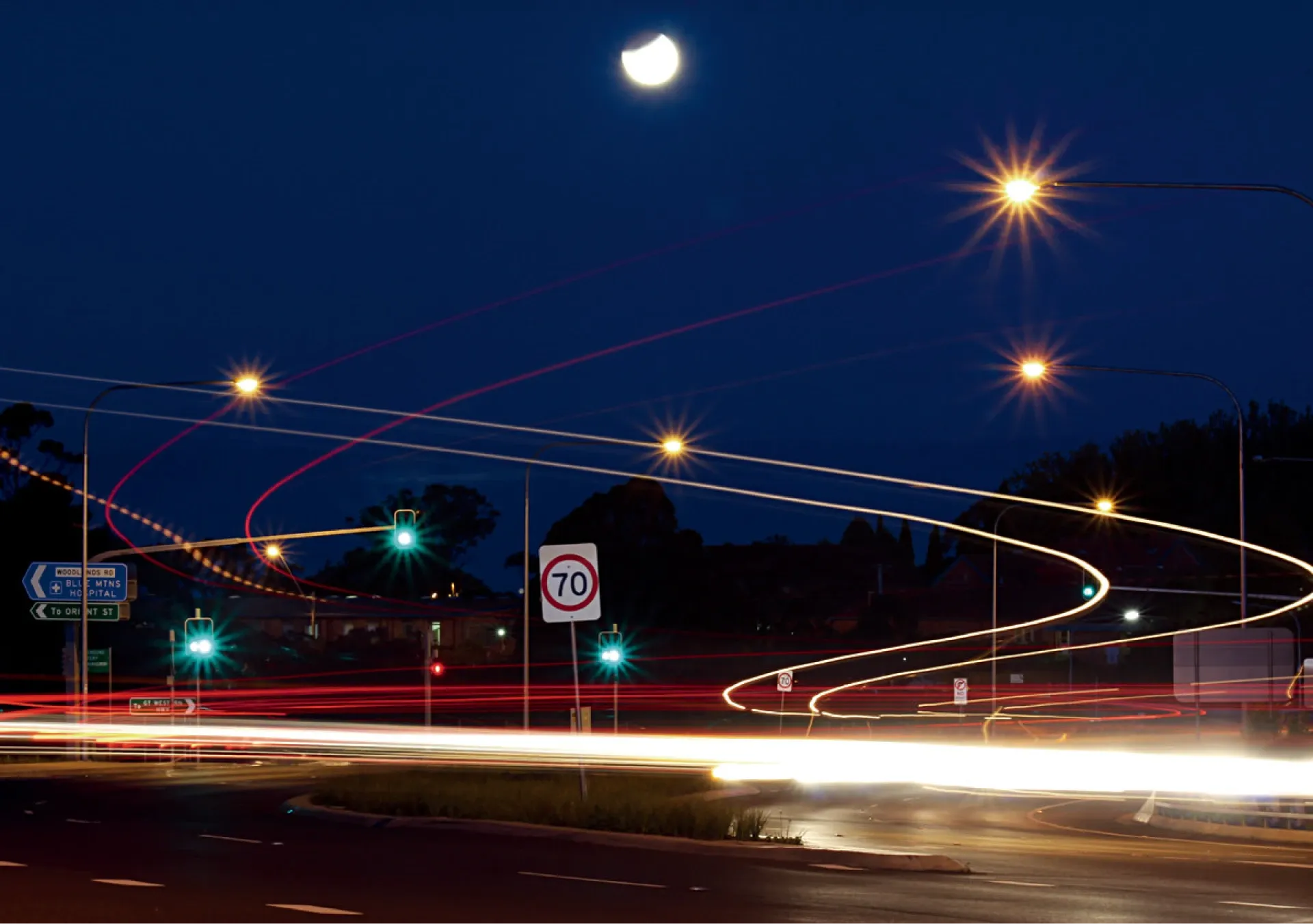
ISO is a key element of the exposure triangle in photography. It originates from the film era’s sensitivity standard and now represents the sensor’s sensitivity to light in digital cameras. Adjusting ISO allows photos to achieve the best results under different lighting conditions, though setting it too high can introduce noise and affect image quality. Whether you’re a beginner or an expert, understanding ISO helps capture perfect shots. This article explains its definition, differences, effects, and when to adjust it to improve your photography skills.
What Is ISO?
ISO in photography refers to light sensitivity settings, short for International Organisation for Standardisation, used to measure how sensitive a camera sensor or film is to light.
In the film era, ISO represented the film’s sensitivity speed, such as ISO 100 or ISO 400. In the digital age, it controls how the image sensor amplifies light signals to adjust brightness in photos. Low ISO (e.g., 100) means low sensitivity to light and requires more light to achieve proper exposure, whereas high ISO (e.g., 1600) is more sensitive and can capture images in low light but may sacrifice detail.
ISO, along with shutter speed and aperture, forms the exposure triangle, which determines a photo’s brightness and quality. Simply put, ISO is like the camera’s “eye sensitivity”: the higher the value, the brighter the photo — but it must be used carefully to avoid noise. In modern cameras, ISO ranges from about 50 to tens of thousands, offering wide flexibility.
ISO 200 vs 400: What’s the Difference?
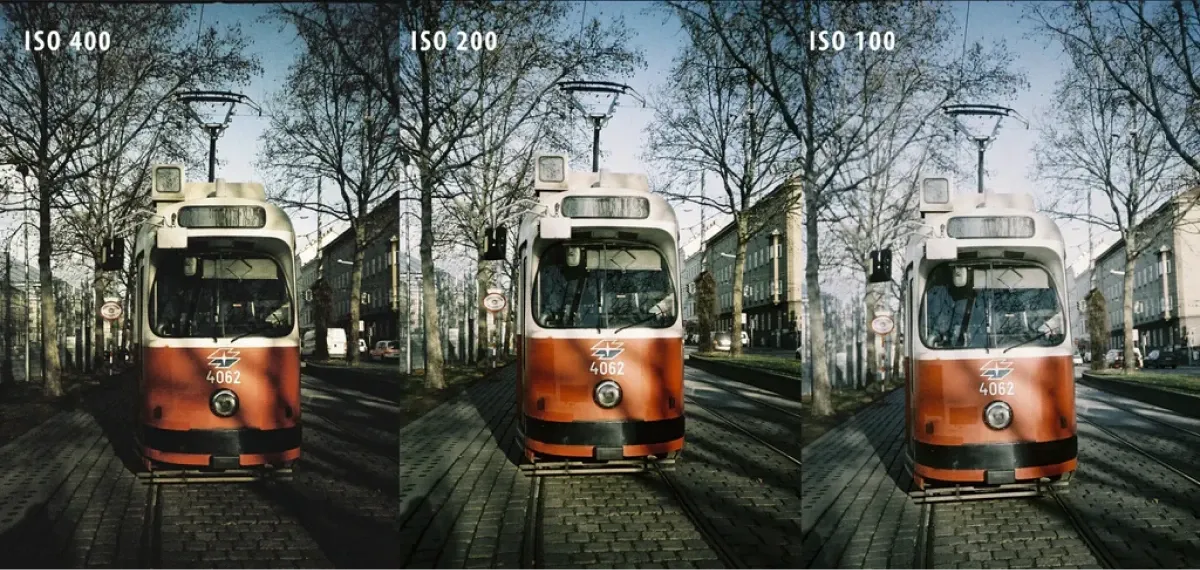
ISO 200 and ISO 400 are common medium-to-low sensitivity settings, mainly differing in light sensitivity and image quality. ISO 400 is twice as sensitive as ISO 200, meaning that under the same aperture and shutter speed, ISO 400 captures more light and produces a brighter photo — ideal for slightly dim conditions.
For example, when shooting indoors or on cloudy days, using ISO 400 helps prevent blurred images caused by slow shutter speeds, while ISO 200 is better for bright outdoor scenes. In terms of image quality, ISO 200 generally produces finer images with less noise, higher contrast, and better exposure latitude; ISO 400 may introduce slight grain, but many photographers appreciate its artistic texture, especially in film photography.
In snowy or high-contrast scenes, ISO 200 can provide smoother tonal gradation, while ISO 400 is more versatile, adapting quickly to changing light. In summary, ISO 200 leans toward high quality and low noise; ISO 400 emphasises flexibility and adaptability to variable lighting — with a trade-off of minor noise increase.
How Does ISO Affect Photo Results?
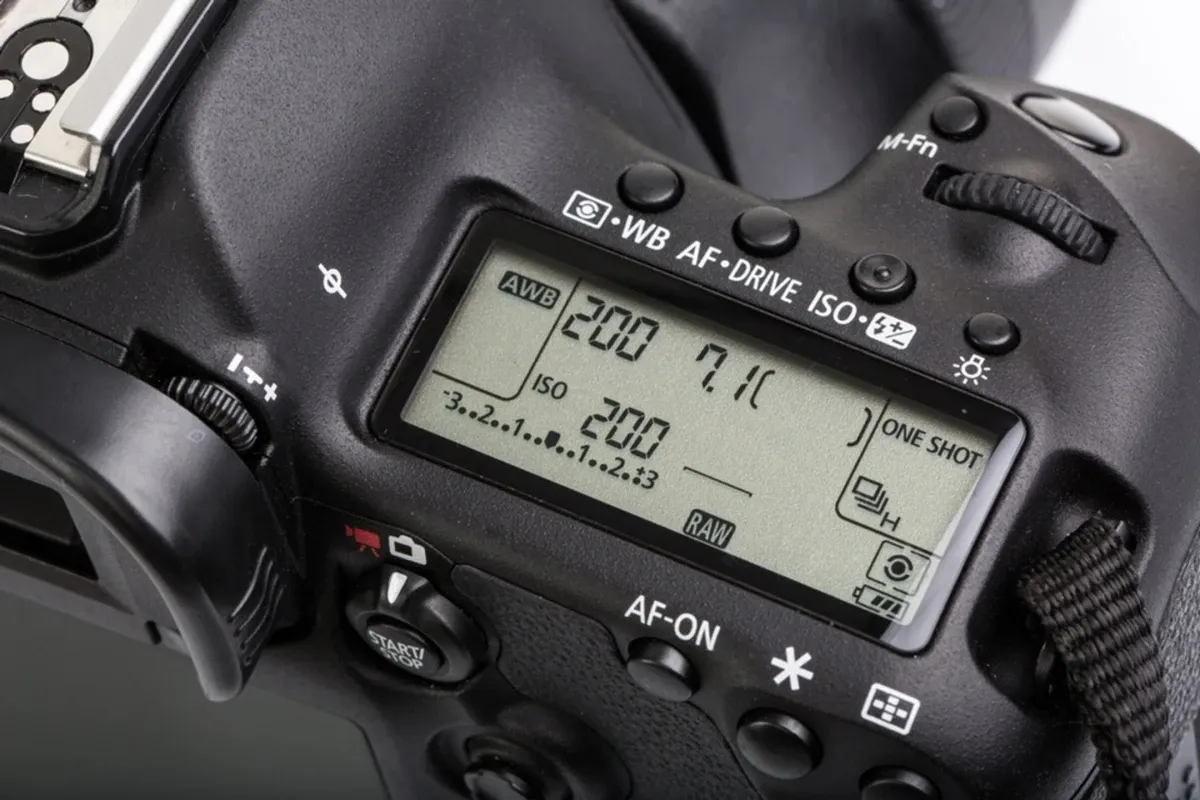
ISO directly affects a photo’s brightness, noise level, and overall quality — it’s a crucial factor in exposure control. High ISO amplifies light signals, brightening photos in low-light environments, but also introduces noise, making images grainy, less detailed, and possibly distorted in colour.
For example, increasing ISO from 100 to 800 brightens the photo but also increases noise, especially in darker areas. Low ISO settings like 100 produce cleaner, sharper images ideal for bright scenes, minimizing noise; however, under low light, they can lead to underexposure or require slower shutter speeds, increasing motion blur.
ISO also impacts dynamic range: low ISO preserves more highlight and shadow details, while high ISO compresses it, risking overexposure or underexposure. In digital photography, high ISO can mimic film grain for artistic effect — but extremely high values (e.g., above 3200) can seriously reduce image quality, suitable mainly for post-processing.
Overall, ISO balances brightness and quality: moderate values like ISO 400 provide a good balance, while extreme adjustments should be made depending on the situation.
When Should You Adjust ISO?
The main purpose of adjusting ISO is to adapt to lighting changes and ensure proper exposure without compromising other settings. In low-light situations — such as indoors, at dusk, or at night — you may need to raise ISO (e.g., 800–3200) to capture enough light and prevent motion blur from slow shutter speeds. For instance, shooting stars or indoor sports may require high ISO to freeze movement, though noise must be accepted.
Conversely, in bright outdoor or studio settings, using a low ISO (e.g., 100–200) achieves the best image quality, preserving detail and color accuracy. ISO also needs adjustment when targeting specific shutter effects: for example, to create silky water with a slow shutter, lower the ISO in bright environments to avoid overexposure; to capture fast-moving subjects with a fast shutter under dim light, raise the ISO.
Also, in high-contrast scenes or long exposures, low ISO helps expand dynamic range; in artistic photography where noise is acceptable (e.g., street or black-and-white shots), high ISO can enhance the atmosphere. In short, the rule of thumb is: increase ISO in low light, lower ISO for better quality, always combining adjustments with aperture and shutter tests for ideal exposure.
Preserve Your Precious Memories with Capture’s Photo Album Digitisation Service
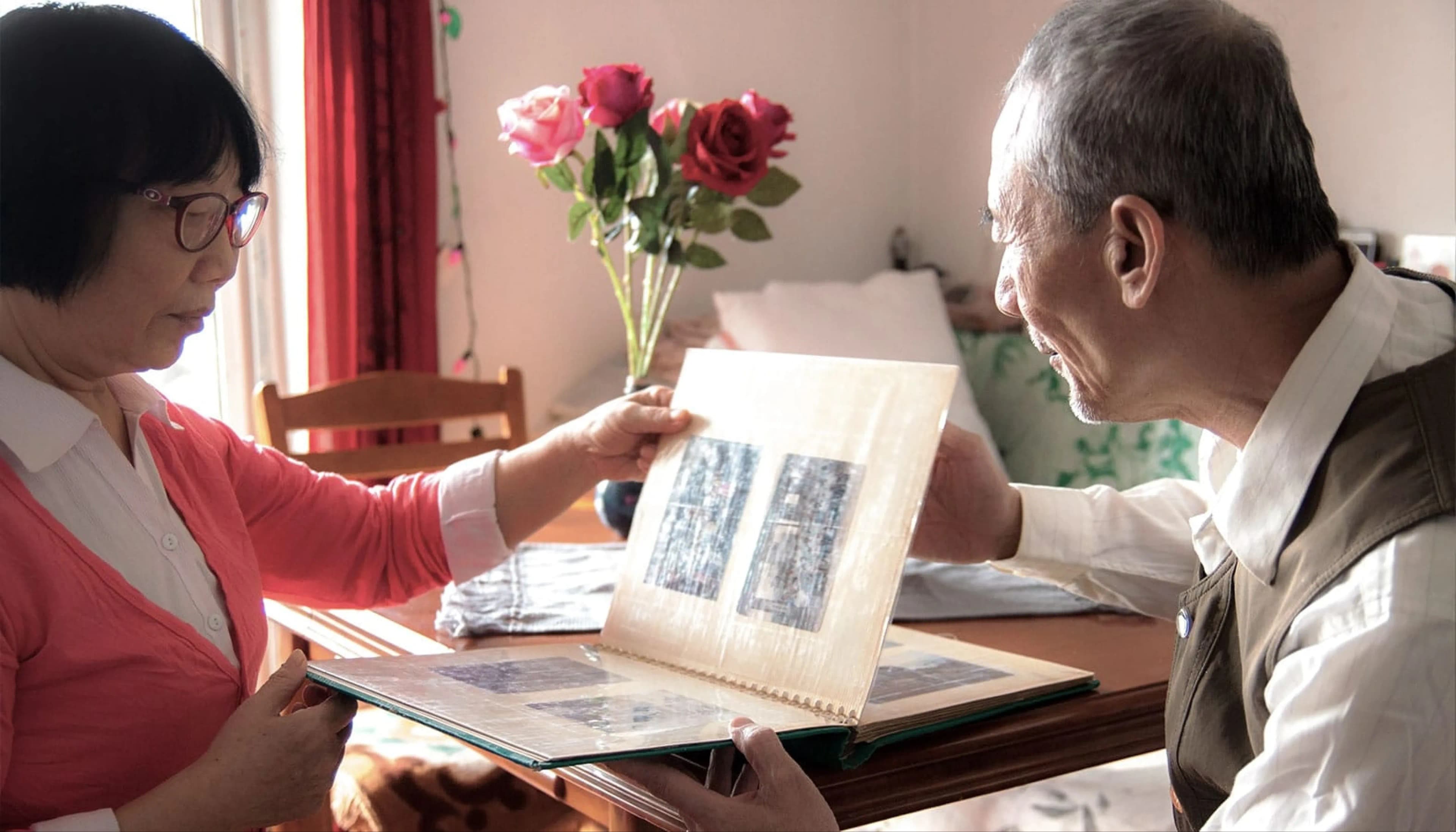
Do you have a box full of old photographs, worried that they may fade or get damaged over time? Now, you can preserve these treasured memories by digitising them with Capture.HK’s professional photo album digitisation service. Our service allows you to convert your old photos into high-quality digital files, ensuring they are safely stored and easily shareable.
At Capture.HK, we use high-resolution scanning technology to restore your photos with sharp details and vibrant colours, maintaining their original quality. We also offer various file formats, making it easy for you to access and share them across different devices. Most importantly, we handle your photos with utmost care, ensuring they are safely processed and preserved.
The Frame Digital Photo Frame
Want to relive your digital memories every day? Capture’s The Frame digital photo frame is the perfect solution! Designed to showcase your most cherished moments, The Frame allows you to display a lifetime of memories in one elegant frame.
With its sleek design and high-resolution display, The Frame offers an effortless way to organise and enjoy your favourite photos. Simply digitise your photo collection, upload them to The Frame, and enjoy your memories anytime, anywhere.
Whether placed in the living room, bedroom, or office, The Frame adds a touch of warmth and personality to your space. More than just a decorative item, it’s a meaningful gift that brings your treasured moments to life.
Get The Frame today and enjoy your memories every day!
References:
- What is ISO Sensitivity? - ricoh
- A Beginner’s Guide to ISO in Photography - studiobinder
- How does ISO actually work? - reddit
- What is ISO in photography and how to use it. - adobe
- What is ISO? The Complete Guide for Beginners - photographylife
Extended Readings:
Capture Reviews
Related Articles
You may also like these articles





Capture · Our team
Any Questions?
Feel free to contact
our Memory Specialists
Not sure what format you have or how best to handle it? WhatsApp us and one of the team will take a look.
WhatsApp us