Best Camcorders for Family Videos: How to Choose the Right One

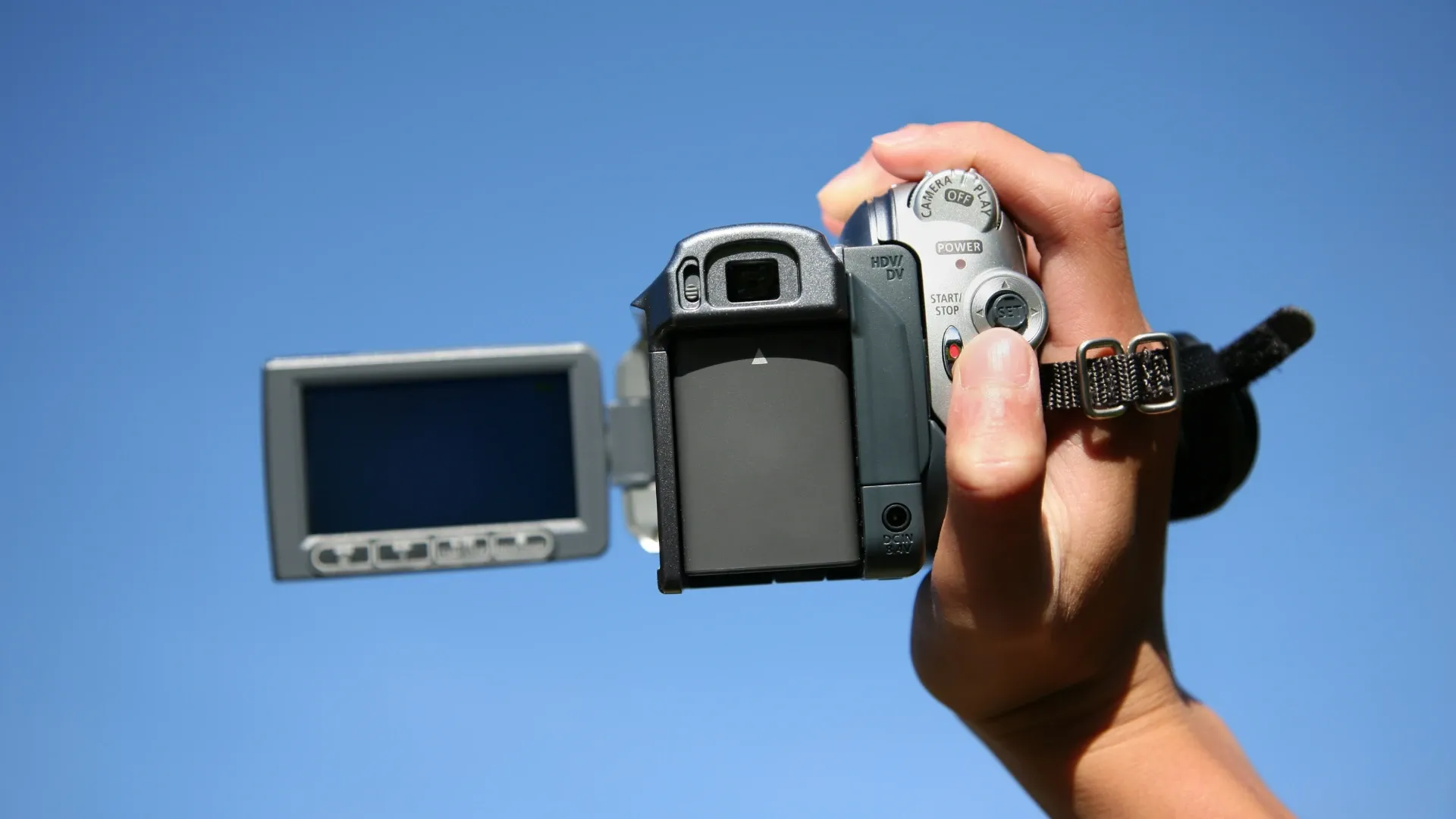
Your phone shoots good video, so why would anyone still buy a camcorder? Three reasons come up again and again: a proper optical zoom for the school concert where you are stuck in row twenty, a long-lasting battery for a whole sports day, and keeping hours of footage off a phone that is already full. If that sounds like your family, this guide covers what to look for and which types of camera suit which kind of filming, with a few well-known models as examples.

What matters most for family video
Optical zoom
This is the main thing a camcorder does better than a phone. Optical zoom uses the lens, so the picture stays sharp. "Digital" or "advanced" zoom figures are larger but crop and enlarge the image, and quality drops. Compare the optical number.
Stabilisation
Footage of a toddler running across a park or a dragon boat race from a moving ferry is unwatchable if it shakes. Look for optical or hybrid image stabilisation, not only electronic.
Resolution: Full HD or 4K
Full HD (1080p) still looks fine on most TVs and is easier to store and share. 4K gives more detail and room to crop, but files are several times larger. If you mainly share clips on WhatsApp, Full HD is plenty.
Sensor size and low light
Birthday cakes with candles, restaurant banquets and evening events are dim. Larger sensors handle low light better and show less grain. Budget camcorders tend to have small sensors; that is the trade-off for their long zoom.
Sound
Voices are what make old home videos precious. A camera with a decent built-in microphone, or a socket for an external one, makes a real difference at noisy family gatherings.
Storage and battery
Most current models record to SD cards. Check what speed of card the camera needs for its highest quality, and buy a spare battery. Some cameras let you charge by USB, which is handy when travelling.
Types of camera, with examples
Models change often and older ones get discontinued, so treat these as examples of each type rather than a fixed ranking, and check what is currently on sale before you buy.
1. Compact Full HD camcorders: easy and affordable
Small, light, long zoom, simple controls. Good for grandparents or anyone who wants to press one button. Examples: Sony HDR-CX405 (Full HD, 30x optical zoom) and Canon's HF R800 series, sold as LEGRIA in Asia and Europe and VIXIA in North America, known for its very long zoom range. Panasonic HC-V785 adds an HDR mode and lets you link a smartphone as a second camera angle.
2. Consumer 4K camcorders: the all-rounder
Sharper picture, better lenses and more features while still being pocketable-ish. Sony FDR-AX43 pairs 4K recording with a ZEISS lens and 20x optical zoom. Panasonic's 4K line includes models with a tilting side camera for picture-in-picture shots, which some parents use to film themselves reacting alongside the main scene.
3. Large-sensor and semi-pro camcorders: best quality
For families who film a lot and want the best picture, especially indoors. Sony FDR-AX700 uses a 1-inch sensor, much larger than a typical camcorder's, giving cleaner low-light video. Panasonic HC-X2000 records 4K at 60 frames per second with a 24x optical zoom and a detachable handle. These cost a lot more and are bulkier; worth it only if you will use the controls.
4. Action cameras: for the active family
Waterproof, tough and tiny. A GoPro HERO or similar clips to a helmet, a backpack strap or a kayak, so you can film a MacLehose Trail hike or a junk trip without holding anything. Weak points: no real zoom and limited low-light quality.
5. Pocket gimbal cameras: smooth walking shots
Cameras like the DJI Osmo Pocket range build a stabilising gimbal into a handheld stick. They give very steady footage while walking through a night market or a theme park, and are easy to carry every day. Zoom is limited, so they are not for the school stage.
6. Mirrorless and vlogging cameras: video and photos in one
If you also want excellent still photos, an interchangeable-lens camera with good video features can replace both a camcorder and a photo camera. Expect a learning curve, shorter battery life when filming, and extra cost for lenses with long zoom.
Buying tips for Hong Kong
Check the warranty. Locally licensed stock (行貨) comes with a local manufacturer's warranty; parallel imports (水貨) can be cheaper but may only have a shop warranty.
Second-hand is an option. Shops around Sham Shui Po and Apliu Street sell used cameras. Test the zoom, autofocus and card slot, and look into the lens with a torch for haze or fungus.
Protect it from humidity. Lens fungus is a real risk in our climate. Store the camera in a dry cabinet or an air-tight box with silica gel, not in a camera bag in a cupboard.
Plan your storage. Copy footage off the card after each event to a computer and a cloud service or second drive. SD cards are for recording, not for keeping.
What about the camcorder tapes you already have?
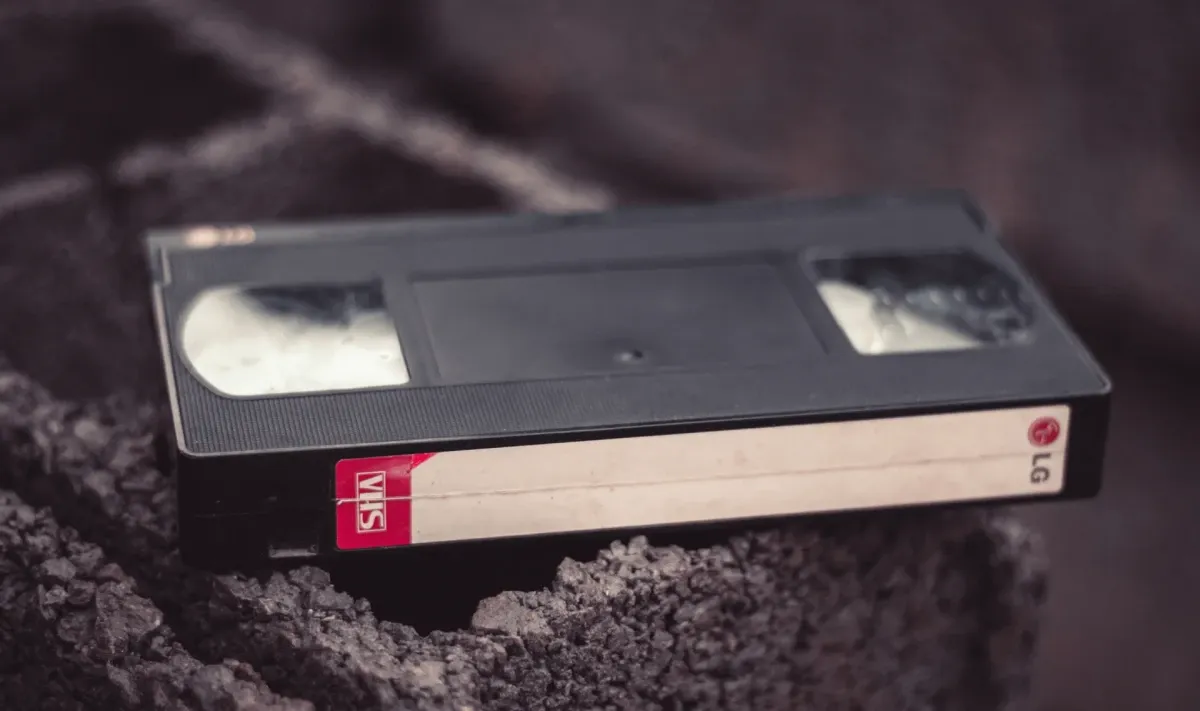
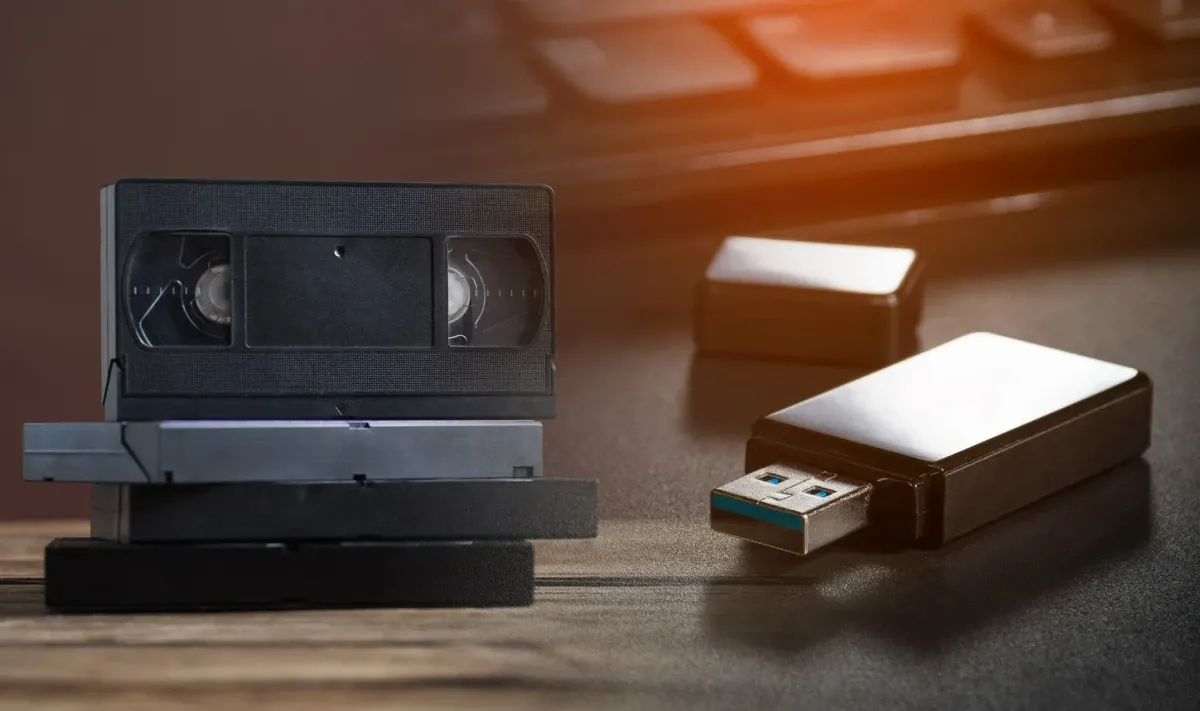
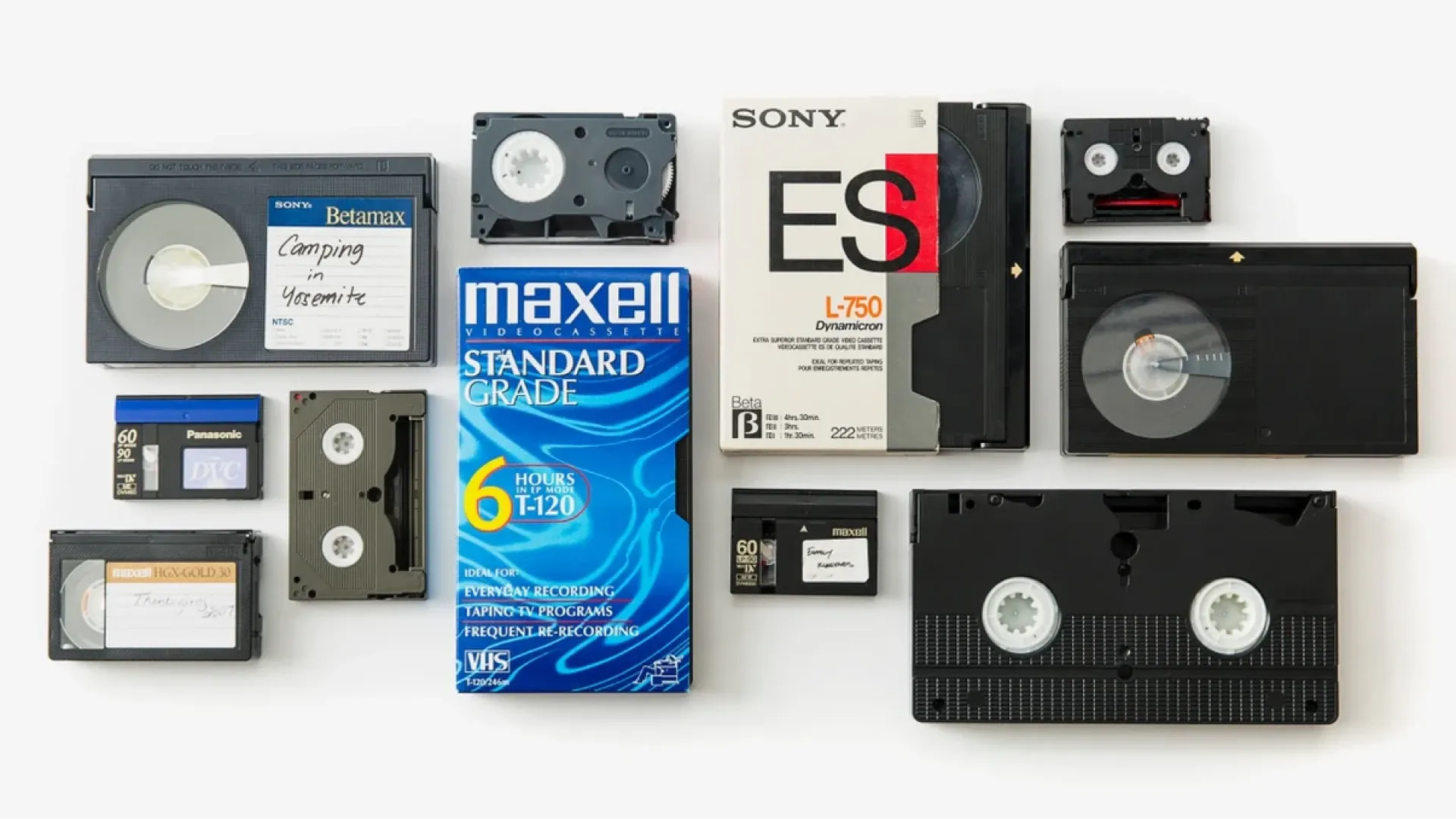
Many families still have the footage from their first camcorders: VHS-C, Video8, Hi8 or MiniDV tapes of Lunar New Year visits, weddings and kindergarten graduations. Those tapes age, and in a humid flat they are prone to mould, while the cameras that played them are getting hard to find. Capture HK transfers these tapes to MP4 from HK$200 per tape on calibrated decks with time-base correction, and can recover files from old SD and other memory cards too.
See prices on our video digitisation page and our memory card and disc recovery service, or ask for a free quote.
Capture Reviews
Related Articles
You may also like these articles


Capture · Our team
Any Questions?
Feel free to contact
our Memory Specialists
Not sure what format you have or how best to handle it? WhatsApp us and one of the team will take a look.
WhatsApp us