How to Clean a Cassette Tape Safely for Better Sound

Digitising your own collection? Cassette to Digital in Hong Kong — prices and service details
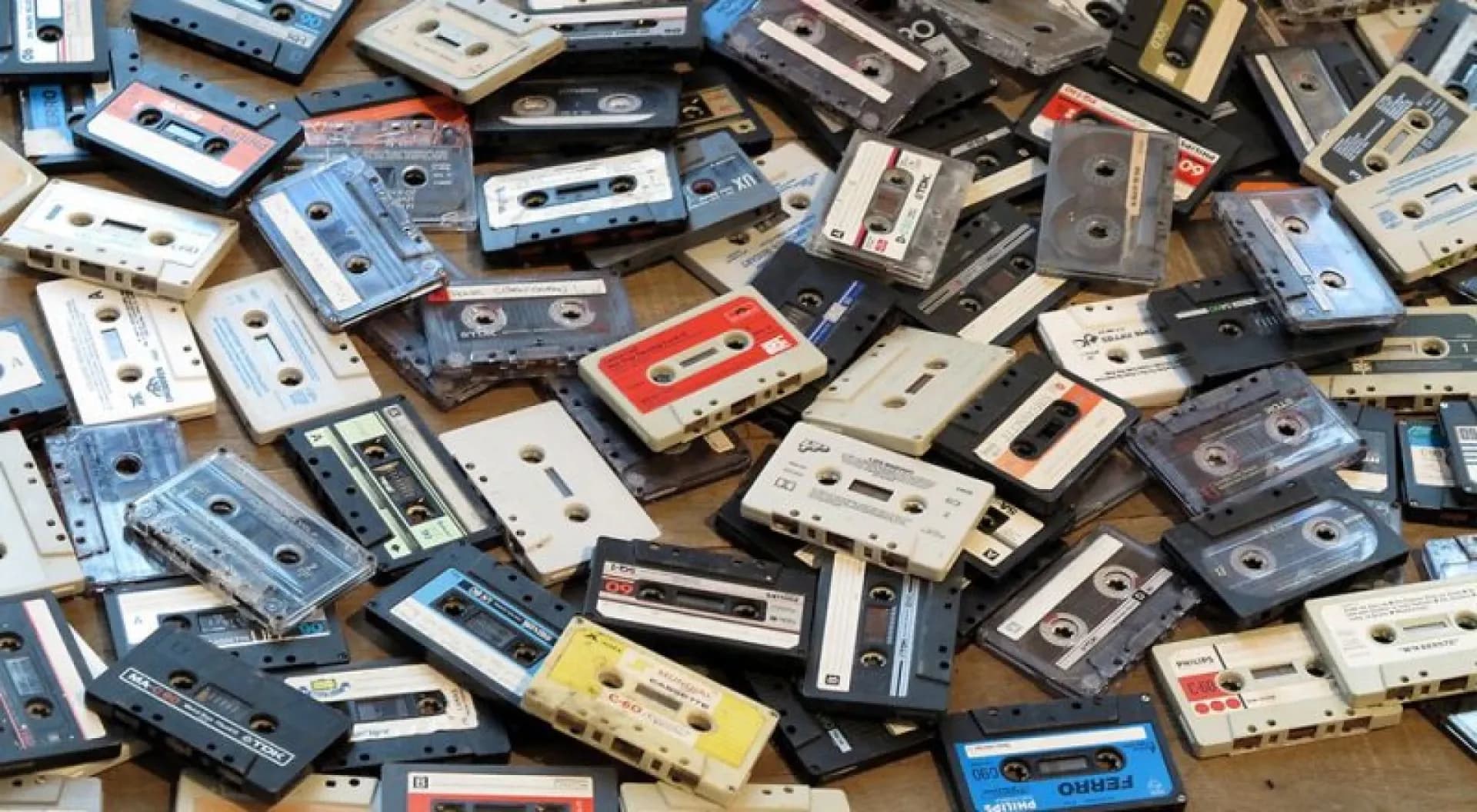
A cassette that has spent twenty or thirty years in a Hong Kong cupboard rarely comes out as clean as it went in. Dust settles in the window of the shell, the tape may have gone slack, and in a damp flat there may be mould on the tape edges. Put that straight into a player and you risk muffled sound, a clogged playback head or, worst of all, tape wound round the capstan. The good news is that a few careful checks and a gentle clean solve most problems. This guide covers what is safe to do at home, what to leave alone, and when to stop and get help.
First, look before you play
Most damage happens in the first few seconds of playback, so inspect every tape before it goes near a deck. Hold the cassette up to the light and check:
Dust and grit on the shell and around the tape window
Mould: white or grey powdery spots, or fuzzy threads, on the edges of the wound tape. A musty smell is another clue
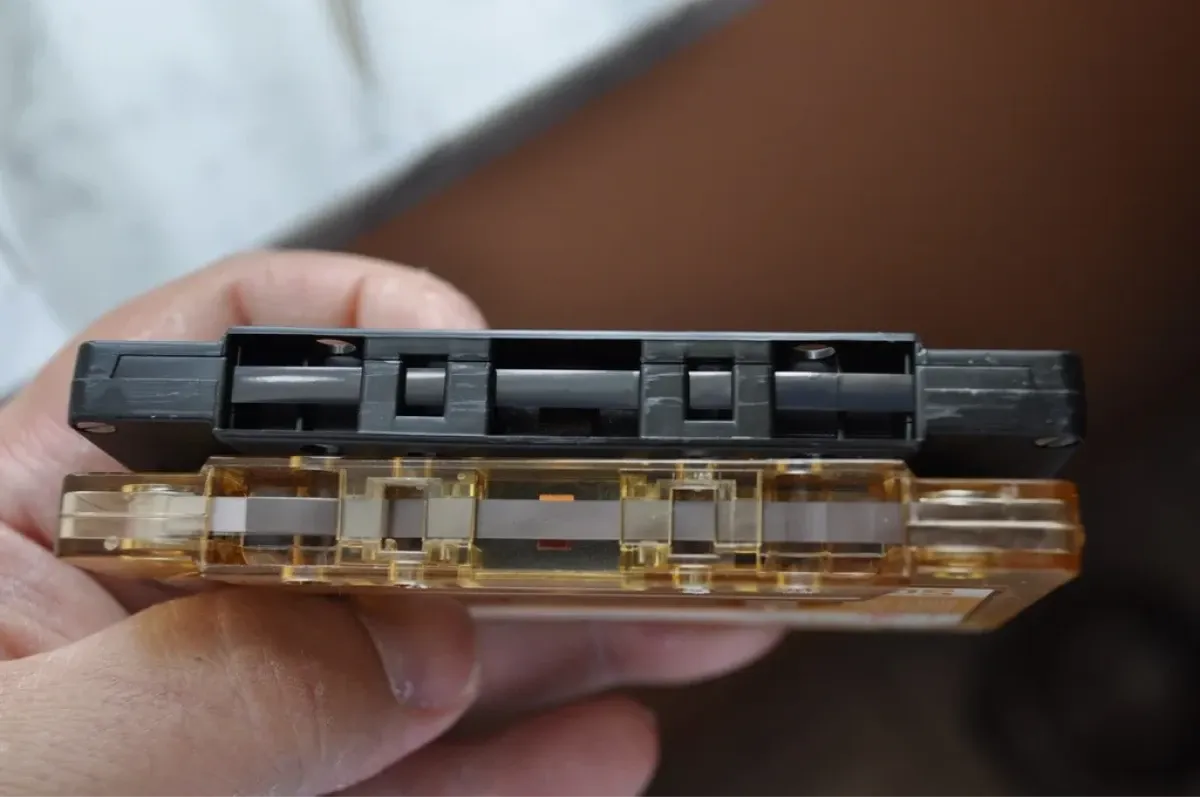
Slack tape sagging between the two hubs or in the opening at the bottom edge
Creases, stretches or snapped tape
A cracked or warped shell, which can stop the hubs turning freely
If you see mould, do not play the tape. Spores and sticky residue will transfer to the player's head and rollers and can then spread to every tape you play afterwards.
What you need
A soft, lint-free microfibre cloth
Cotton swabs
Isopropyl alcohol (90% or stronger), for cleaning the player only
A pencil or a hexagonal pen that fits the cassette hubs
A small air blower, the kind sold for camera lenses
A clean, dry table with good light
How to clean a cassette tape, step by step
Wash and dry your hands. Skin oil on the tape attracts dust. Cotton or nitrile gloves are even better.
Clean the outside of the shell. Wipe it with the dry microfibre cloth, then use the air blower to clear dust from the window, the hub holes and the opening along the bottom edge. A dry swab can reach the corners.
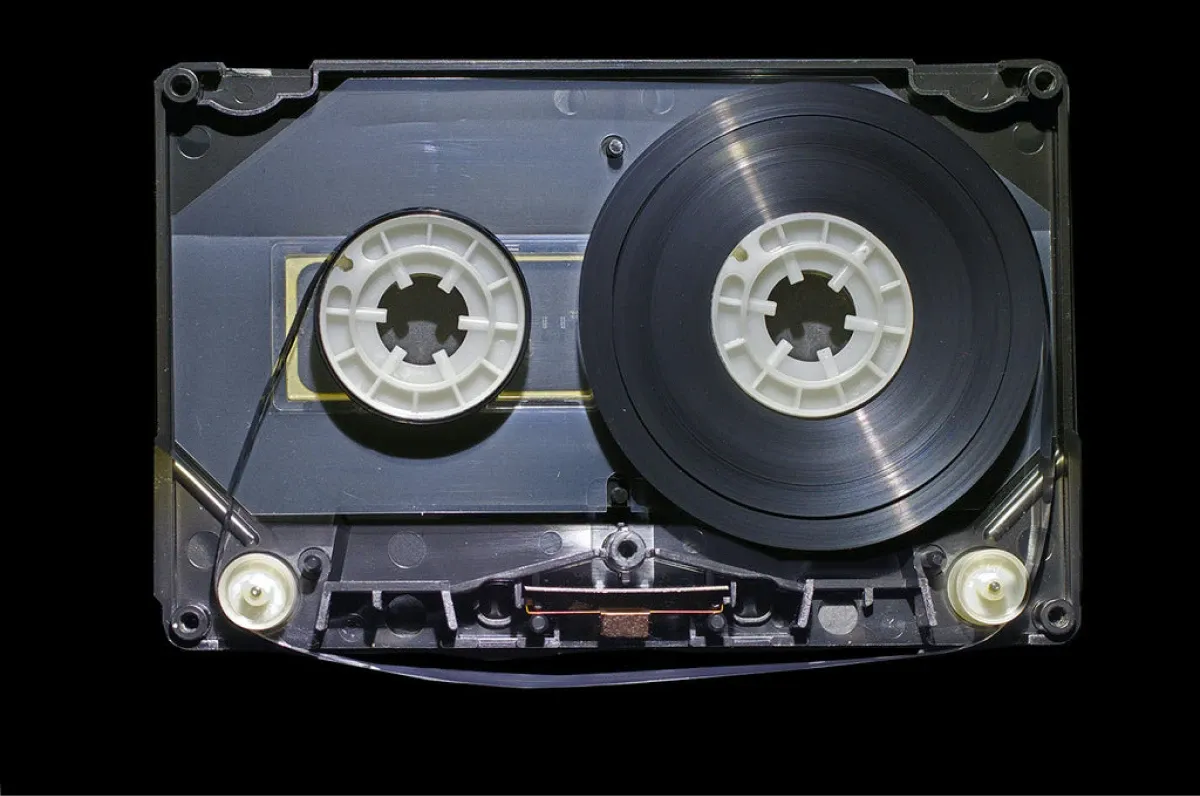
Take up the slack. Put the pencil in one hub and turn it gently until the tape sits flat and taut. Never force it.
Wind the tape through by hand. Slowly turn the hub so the tape travels from one end to the other and back. This loosens a pack that has been sitting still for years and shows up any creases or sticky patches before a motor pulls on them.
Treat the exposed tape lightly. If the strip of tape visible at the bottom opening is dusty, touch it only with a dry cloth or a puff of air. Do not rub, and do not put alcohol or water on the tape itself: liquids can soften the coating, and rubbing can scrape off the magnetic layer that holds the sound.
Let it acclimatise. A tape brought from a damp storeroom into an air-conditioned room can collect condensation. Leave it for a few hours before playing.
Clean the player, not just the tape
Much of what people call "cleaning a cassette" is really cleaning the deck. A dirty player muffles even a perfect tape, and a dirty tape leaves brown oxide on the player. With the deck unplugged and the cassette door open:
Dip a swab in isopropyl alcohol, squeeze out the excess, and wipe the shiny playback and erase heads.
Clean the metal capstan (the thin spinning pin) and the rubber pinch roller beside it. Rotate the roller to reach all sides. Brown residue on the swab is normal; keep going with fresh swabs until it comes away clean.
Let everything dry completely before putting a tape in.
Doing this every so often, and always after playing an older tape, protects the rest of your collection.
Fixing common problems
Tape is wound round the capstan
Stop the player immediately. Open the door, ease the cassette out without pulling, and unwind the loop by hand. Then turn the hub with a pencil to draw the tape back in, smoothing any crinkles with a finger on the back side of the tape.
Tape snapped or badly creased
A clean break can be joined with proper audio splicing tape (not sticky tape, which oozes adhesive). Trim both ends square, line them up without overlapping, and apply the splice to the back of the tape, the side that faces away from the heads. A short creased section may need to be cut out the same way. You lose a moment of sound, but the rest of the recording is saved.
Shell cracked or hubs jammed
If the cassette is held together with small screws, the two reels can be moved into a new, empty shell. Note how the tape runs past the guides before you lift anything out. Shells that are welded shut are much harder to open without damage, so this is a job to leave to someone experienced if the recording matters.
Squealing, sticky or shedding tape
If a tape squeals, drags or leaves heavy brown deposits after just a few seconds, the binder that holds the coating together may be breaking down. Repeated playing makes it worse. Stop and get it copied professionally rather than trying again.
Keeping cassettes in good condition
Store them upright in their cases, like books on a shelf, away from speakers, televisions and anything magnetic.
Fight the damp. Hong Kong's humidity is the biggest threat to tape. Use a dehumidifier in the storage room, or keep important cassettes in a dry cabinet (防潮箱) or an air-tight box with silica gel. Replace or dry out the silica gel when it changes colour.
Keep them off the floor and away from windows, where typhoon rain and sunlight can reach them.
Wind each tape fully to one end before storing, so no section is left half-tensioned for years.
Play them occasionally, on a clean player. A tape that is wound through now and then is less likely to stick.
When it is time to digitise
Cleaning helps a cassette play, but it cannot stop magnetic tape ageing. Every pass through a player wears it a little, and players themselves are getting harder to repair. The safest step is to make a digital copy while the tape still plays well, then put the original away and listen to the files instead.
Capture HK converts audio cassettes, DAT and open-reel tapes to MP3, delivered on USB. If your tapes show mould or damage, WhatsApp us on +852 2882 8707 before sending them so we can advise. Find out more on our audio digitisation page, or get an instant estimate with our free quote.
Capture Reviews
Related Articles
You may also like these articles


Capture · Our team
Any Questions?
Feel free to contact
our Memory Specialists
Not sure what format you have or how best to handle it? WhatsApp us and one of the team will take a look.
WhatsApp us