Walk-In or Send-In? Choosing a Videotape Digitisation Service in Hong Kong

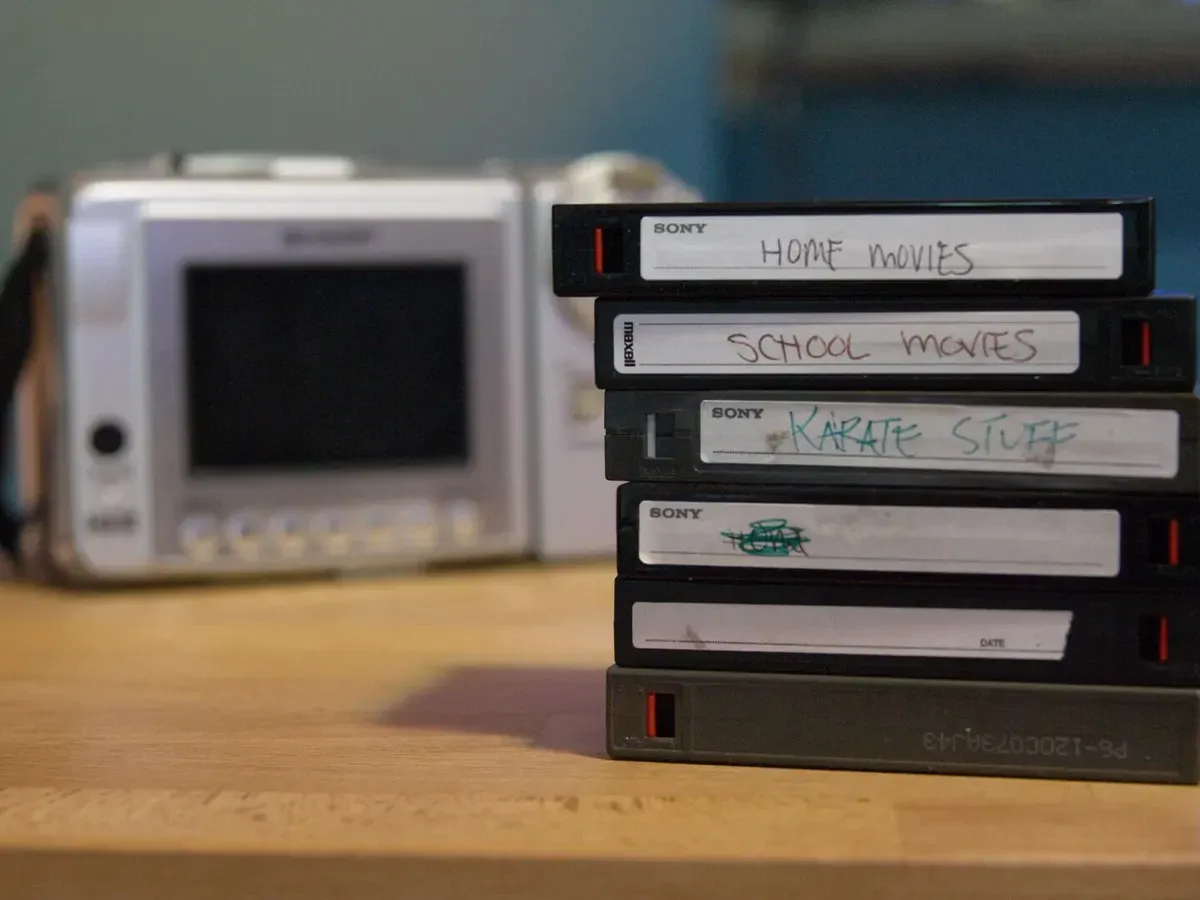
Digitising your own collection? VHS to Digital in Hong Kong — prices and service details
Somewhere in most Hong Kong homes there is a bag of videotapes: a VHS of a wedding banquet, a few VHS-C cassettes from a 1990s camcorder, perhaps a MiniDV of a baby's first steps. You know they should be converted before they fail, and when you search for help you find two kinds of service. Some want you to walk in with the tapes; others ask you to send them off. This guide explains how each works, what really separates a good transfer from a poor one, and how to choose.
What a videotape transfer actually involves
Whoever does the work, the core job is the same. Each tape is played on a machine that matches its format, the analogue signal is captured by a computer in real time, and the recording is saved as a digital video file, usually MP4. A two-hour tape takes two hours to capture, plus time to check, trim and name the file.
The quality of the result depends on three things: the condition of the tape, the condition of the player, and whether the signal is stabilised. Old tapes wobble and jitter; a time-base corrector (TBC) steadies the picture before it is recorded. Without one, you can end up with rolling lines, shaking edges or dropped sections.
Why not leave them a few more years?
The tape itself is ageing. Magnetic tape loses signal over time, and the binder holding the coating can break down. Colours fade and dropouts multiply.
Humidity makes it worse. In Hong Kong's damp months, mould grows easily on tape stored in cupboards. Mouldy tape can be cleaned, but heavy growth can also damage the player it runs through.
Players are disappearing. Working VCRs and camcorders for VHS-C, Hi8 or MiniDV are getting harder to find, even on Apliu Street, and spare parts are scarcer still.
Family members are spread out. A tape in one flat helps nobody in Vancouver, London or Sydney. A digital file can be shared in minutes.
Option 1: walk-in shops
Some photo shops and small studios accept tapes over the counter. In many cases the shop is a collection point and the work is done somewhere else; in others it happens on site.
What's good
You hand the tapes to a person and can ask questions face to face.
You know where your tapes are when you drop them off.
Handy if there is a shop near home or work.
What to check
Who does the transfer, and where. If tapes are sent on, ask how long they are away.
Whether they handle every format you have. Many take VHS but not Betamax, Hi8 or MiniDV.
What you get back. Some still deliver DVDs, which are lower quality than a file and wear out themselves. Ask for MP4 files on a USB or in the cloud.
Whether pricing is per tape or per hour. Per-hour pricing makes long tapes expensive.
Option 2: send-in services
A send-in service is organised around posting or couriering your tapes to a digitisation facility, then getting the originals and files back. In Hong Kong, distances are short, so "send-in" often means a courier like SF Express or a pickup from your door rather than international post.
What's good
No trip to a shop. Useful for large collections, or if you are busy or less mobile.
Specialists usually have a wider range of decks and handle more formats.
Files can often be delivered online as well as on a USB.
What to check
Where the work is done. Sending tapes out of Hong Kong adds transit time and risk.
How the parcel is tracked, and whether each tape is labelled and logged on arrival.
What packaging they recommend, especially in the wet season.
Option 3: do it yourself
A USB capture device costs little, and if you still have a working VCR or camcorder it can do the job. Be realistic, though. You will need the right player for each format, the right cables, and the patience to sit through every tape in real time. Basic capture sticks rarely include time-base correction, so worn tapes often look worse than they would through professional equipment. DIY suits a handful of VHS tapes in decent condition, not a box of mixed formats.
Six questions to ask any service
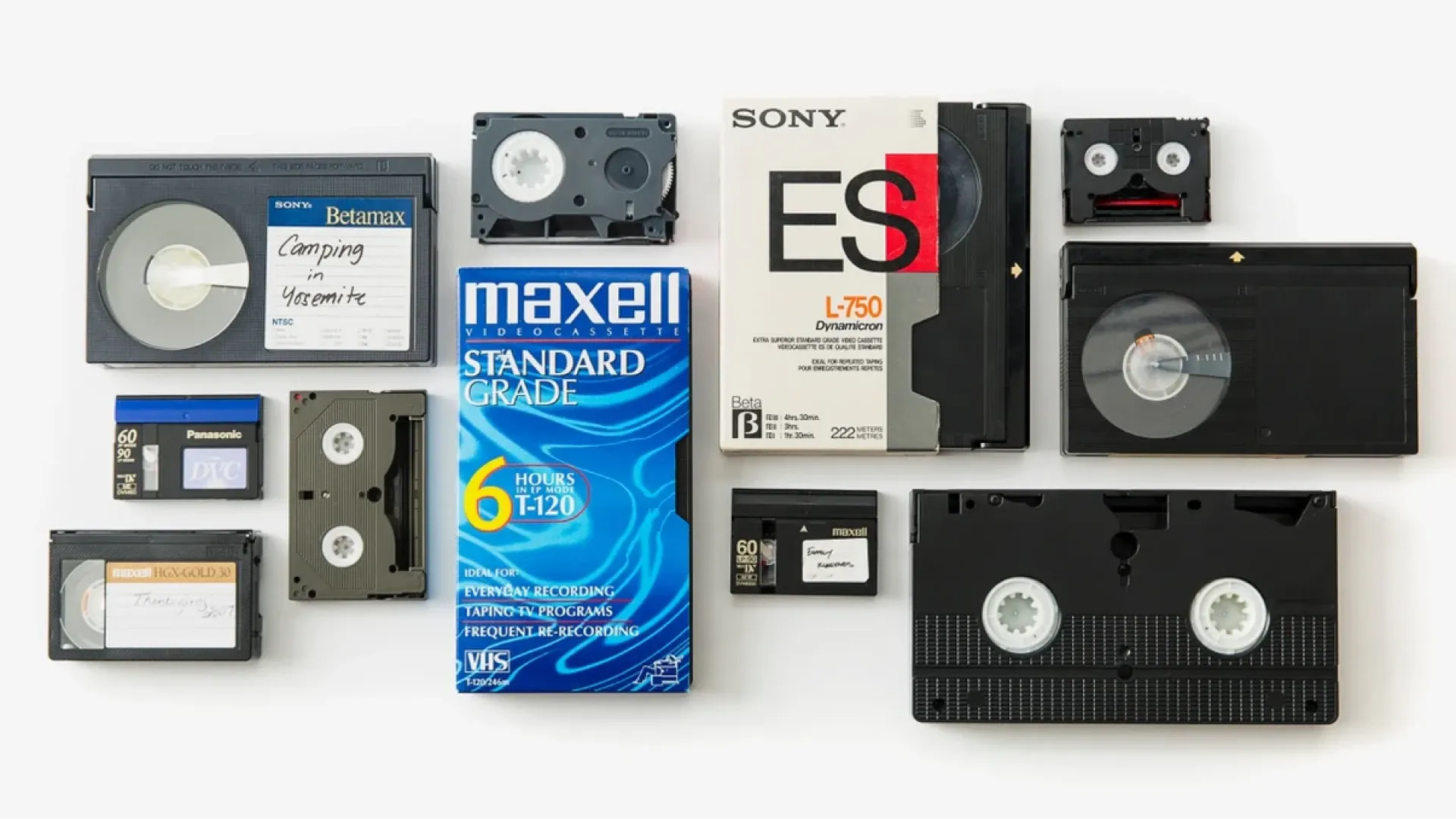
Which formats do you handle? VHS, S-VHS, VHS-C, Video8, Hi8, Digital8, MiniDV, Betamax? Bring a full list.
What equipment do you use? Look for calibrated decks and time-base correction.
What resolution and file type do I get? MP4 is the most widely playable. Ask whether a higher-definition option exists.
How is pricing calculated? Per tape is easier to budget than per minute.
Can you deal with mould or broken tape? Cleaning and splicing should be offered, not refused.
How will my tapes travel and come back? Ask about collection, tracking and return options.
Getting your tapes ready
Label each tape with a short note about what is on it, even a guess.
Check for white or grey spots on the tape edges through the window. That is often mould; mention it when you order.
Don't try to play a mouldy or snapped tape at home first. It can make the damage worse.
Pack tapes upright in a sturdy box with a bag of silica gel if they are travelling.
How Capture HK fits in
Capture HK offers both routes. You can book a slot to drop tapes at our Central or Lai Chi Kok store, arrange door-to-door collection (HK$200 each way, free for orders of HK$2,500 or more), or send them by SF Express. Tapes are played on calibrated decks with time-base correction and delivered as MP4. Pricing is per tape whatever the length: VHS, VHS-C, Video8, Hi8 and MiniDV start at HK$200 for SD and HK$300 for Full HD. Mouldy tapes can be cleaned from HK$100 and broken tape can be fixed.
See formats and prices on our video digitisation page, book a drop-off at our appointment page, or get an estimate with a free quote.
Capture Reviews
Related Articles
You may also like these articles



Capture · Our team
Any Questions?
Feel free to contact
our Memory Specialists
Not sure what format you have or how best to handle it? WhatsApp us and one of the team will take a look.
WhatsApp us