When Did the VCR Come Out? A Short History of the Video Recorder

Digitising your own collection? VHS to Digital in Hong Kong — prices and service details
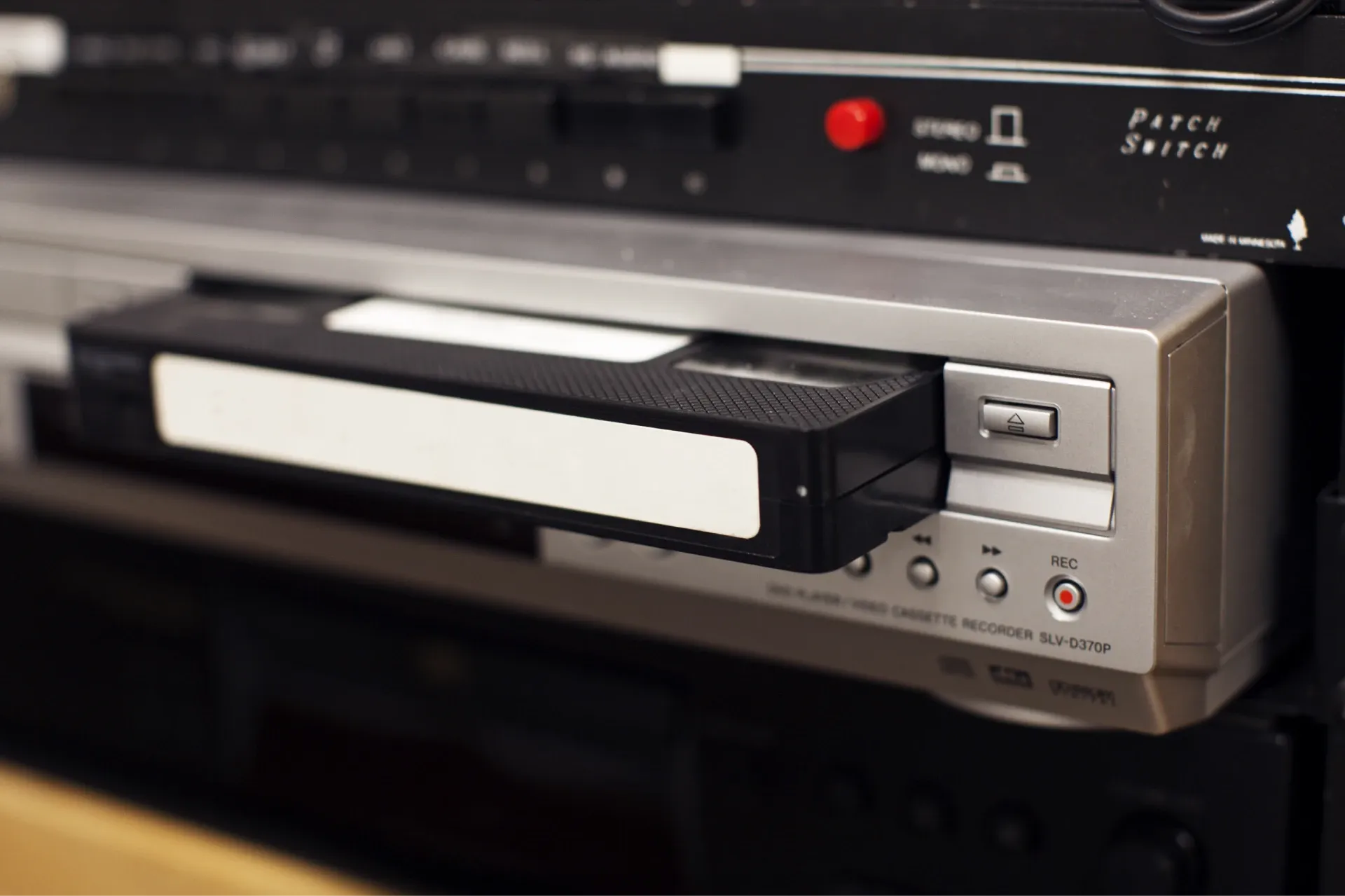
For anyone who grew up in Hong Kong in the 1980s or 1990s, the video recorder under the television was part of the furniture. It taped TV dramas while the family was out, played rented films on Saturday night, and showed the home videos from Lunar New Year and cousins' weddings. But the machine has a longer and stranger history than most people realise, starting in American TV studios in the 1950s. Here is how the video recorder came about, how it reached ordinary homes, and what its legacy means for the tapes still sitting in your cupboard.
When did the VCR come out?
It depends on what you count:
1956: Ampex demonstrated the first practical videotape recorder, the VRX-1000. It used large open reels of tape and was built for television networks, not homes.
1971: Sony launched U-matic, one of the first videocassette formats, with the tape sealed inside a cassette. It was aimed at businesses, schools and broadcasters.
1975: Sony introduced Betamax for the home.
1976: JVC released the first VHS recorder in Japan. VHS went on to become the standard home video format around the world.
The problem television needed to solve

In the early days of television, almost everything went out live. The only way to keep a programme was to film a TV screen with a movie camera, a method called kinescope recording, and the results looked poor. Networks in the United States had a particular headache: a show broadcast live in New York in the evening arrived in California in the afternoon, so they either repeated the live performance or aired a blurry film copy.
Audio tape already existed, but video carries far more information than sound. Pulling tape past a fixed head fast enough to record a picture would have used enormous amounts of tape. The breakthrough was to keep the tape moving relatively slowly and spin the recording heads instead.
Ampex and the first video recorder
Ampex's machine used a drum of four rotating heads that swept across two-inch-wide tape, a system known as quadruplex. In late 1956, CBS used it to delay a news broadcast for the West Coast, and recorded television was born. The machines were the size of a large piece of furniture and priced for broadcasters only.
Later recorders adopted helical scanning, in which the heads sit on a tilted spinning drum and draw long diagonal stripes across the tape. It made machines smaller and cheaper, and every home VCR that followed, VHS included, uses this principle.
Bringing video home

Through the 1960s, several companies made reel-to-reel video recorders for schools and businesses, but they were expensive and awkward to thread. The cassette changed that. Once tape was sealed in a plastic shell, anyone could load it.
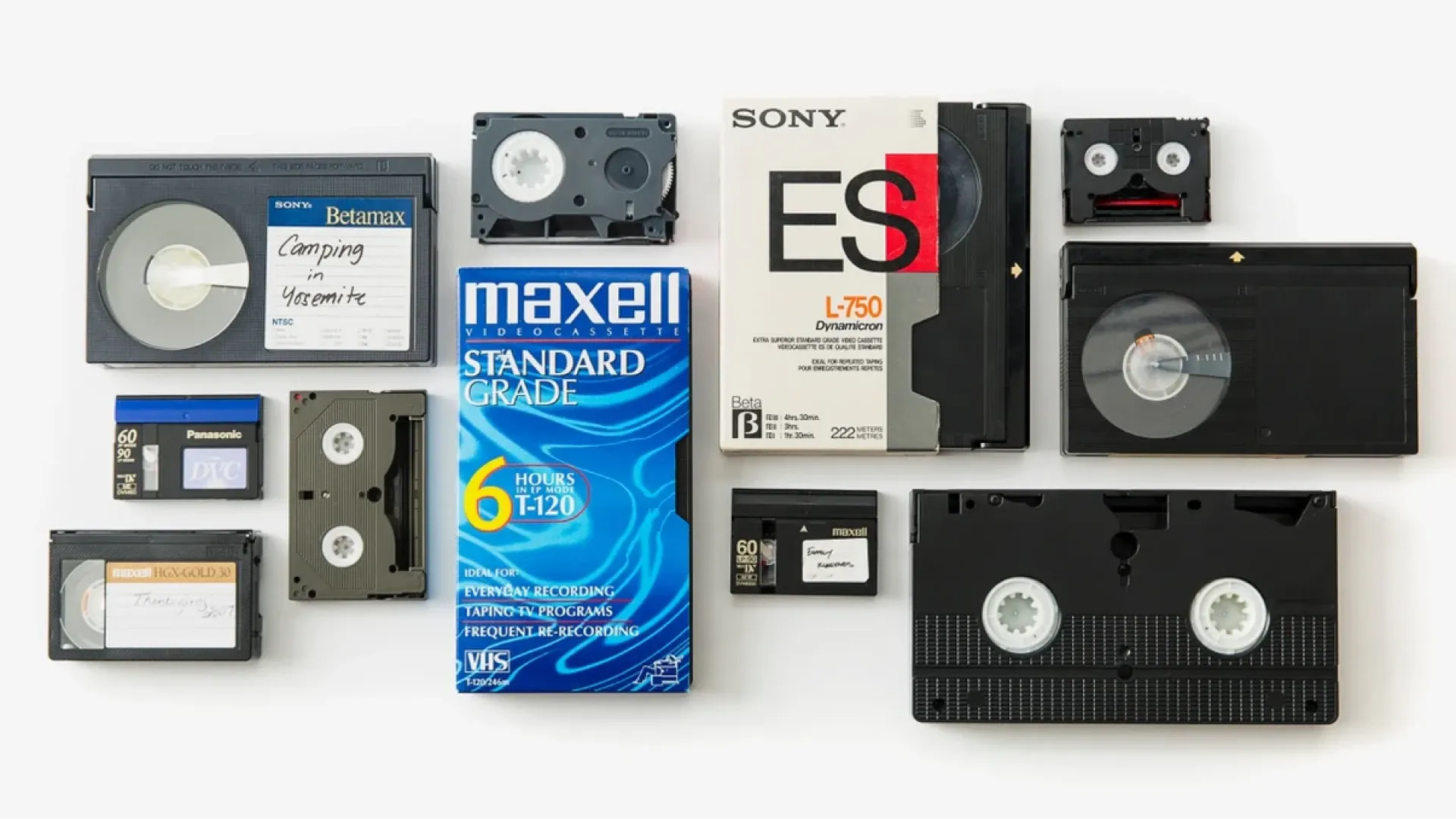
The late 1970s brought the famous format war. Sony's Betamax arrived first and was often praised for picture quality; JVC's VHS offered longer recording times and was licensed widely to other manufacturers. Longer tapes meant a whole film or football match fitted on one cassette, and the wide choice of VHS machines helped it win in most markets, including Hong Kong. Camcorders followed, along with compact formats such as VHS-C, Video8, Hi8 and later MiniDV, and suddenly families were filming birthday parties, school sports days and holidays themselves.
The VCR years in Hong Kong
Hong Kong took to home video quickly. Families recorded their favourite TV series to watch later, neighbourhood video rental shops did a busy trade, and the camcorder became a fixture at weddings and New Year gatherings. Because Hong Kong used the PAL television system while tapes from Japan and the United States were often NTSC, multi-system VCRs that could play both were popular here. VCDs, and later DVDs, eventually pushed tape aside for films, but home recordings stayed on VHS and camcorder cassettes.
How the VCR changed what came after
Watching on your own schedule. Recording a show to watch later was the ancestor of today's catch-up TV and streaming.
Films at home. Rental shops made the living room a cinema, a habit that streaming services now fill.
Home movies for everyone. Affordable camcorders turned ordinary families into documentary makers, and phones carry that on today.
Why your old tapes need attention now
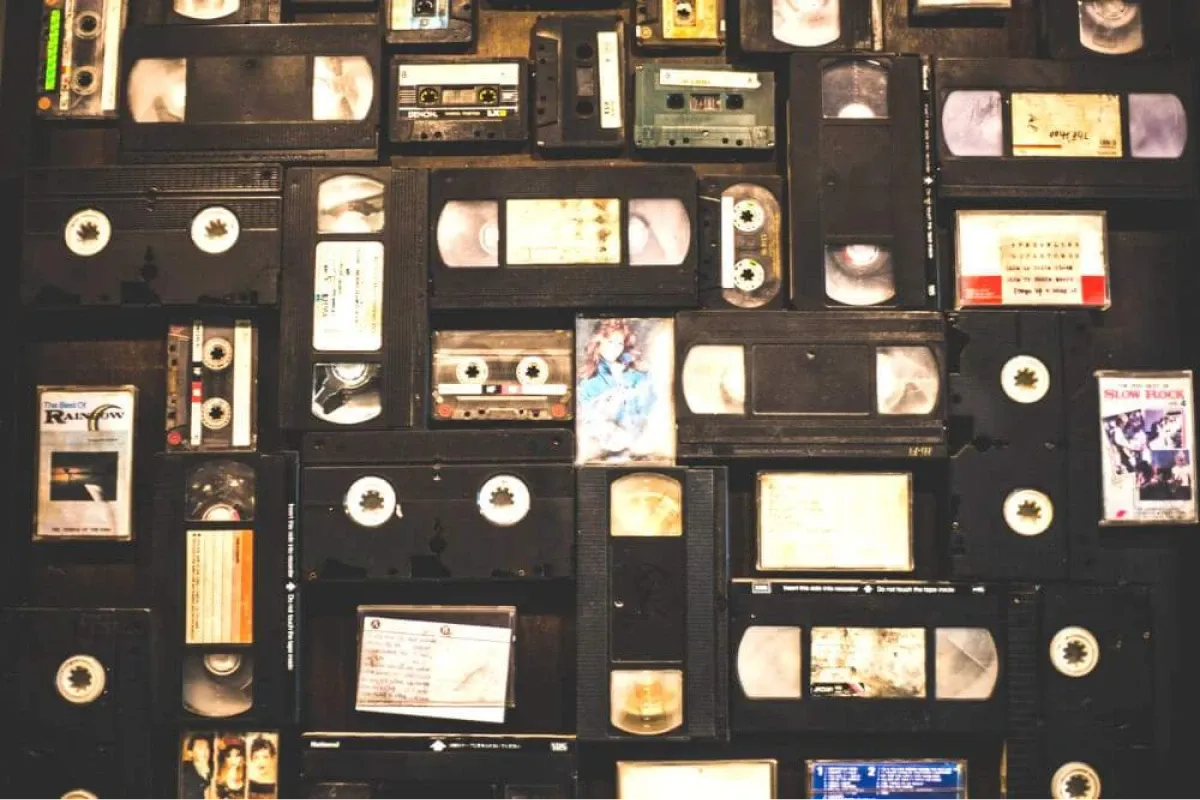
The last new VCRs were made in the mid-2010s, and working machines are getting harder to find and maintain. The tapes themselves are ageing too. Magnetic tape slowly loses signal, the binder that holds the coating can deteriorate, and in Hong Kong's humidity, mould is the most common problem we see on stored tapes. A mouldy tape played on a home machine can be damaged further and can contaminate the heads.
If you are keeping tapes for now, store them upright, away from windows and the floor, in a dry place or a cabinet with a dehumidifier, and avoid playing a tape that shows white spots or a powdery coating.
Capture HK transfers VHS, VHS-C, Video8, Hi8, MiniDV, Betamax and more to MP4, played on calibrated decks with time-base correction, with cleaning available for mouldy tapes. VHS transfers start at HK$200 per tape whatever the length. See our video digitisation service or get a free quote.
Capture Reviews
Related Articles
You may also like these articles
Capture · Our team
Any Questions?
Feel free to contact
our Memory Specialists
Not sure what format you have or how best to handle it? WhatsApp us and one of the team will take a look.
WhatsApp us