What Is Shutter Speed? How Do Fast and Slow Speeds Affect Motion in Photos?

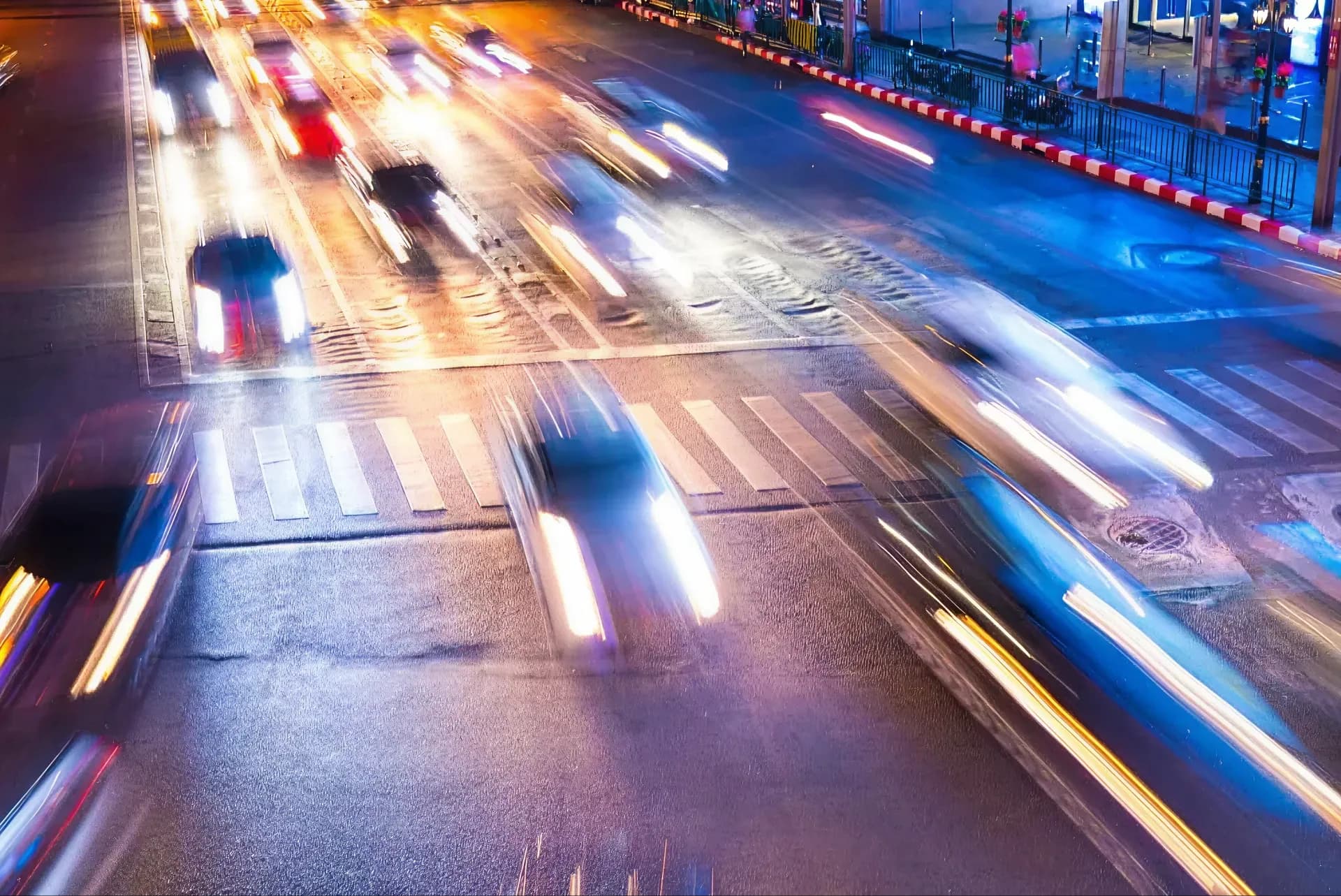
Photography is essentially about capturing light, and the exposure triangle—aperture, shutter speed, and ISO—is the foundation for controlling it. These three elements work together to determine a photo’s brightness, sharpness, and artistic expression. Among them, shutter speed not only controls exposure time but also directly determines how motion is rendered: do you freeze a sharp instant, or intentionally create dynamic motion blur? Shutter speed is a powerful tool for photographers to express movement and the passage of time—from freezing splashing water droplets to drawing light trails from nighttime traffic, all rely on precise control of the shutter. This article explores what shutter speed is, how it works, how it interacts with other settings, and how different speeds affect images in practice, helping you master shutter speed and create vivid, creative photographs.
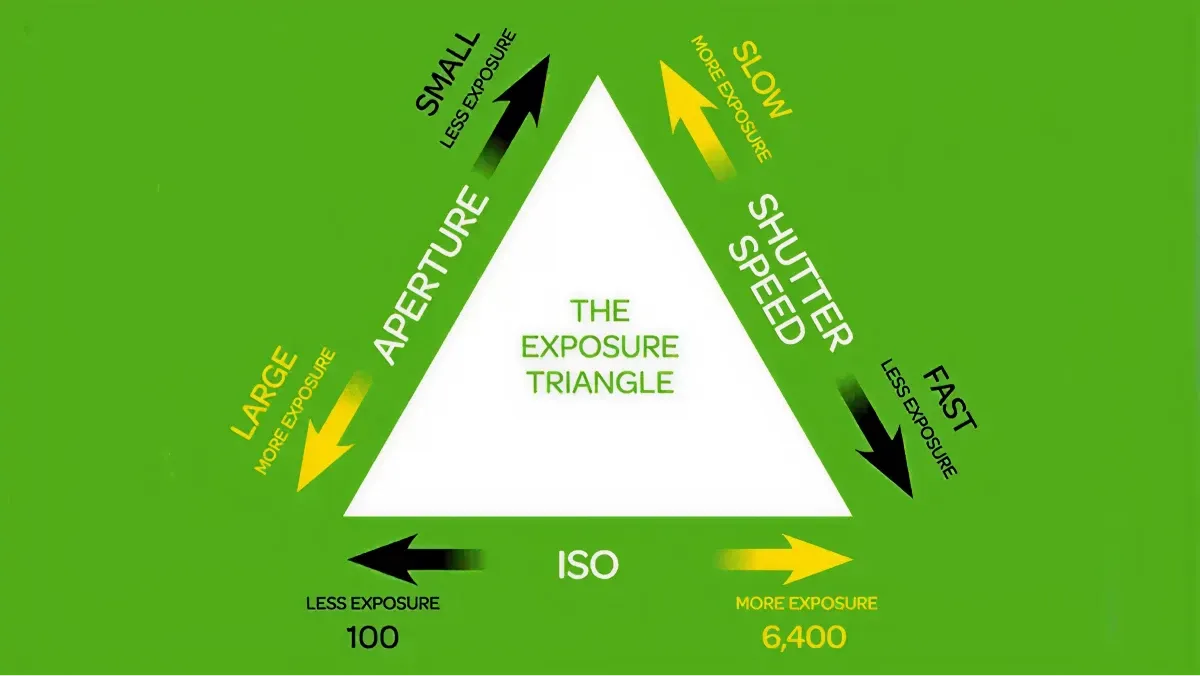
Below is an illustration of the exposure triangle, clearly showing the relationship between shutter speed, aperture, and ISO:
What Is Shutter Speed?
The shutter is a mechanical or electronic component inside a camera that controls how long the image sensor is exposed to light. Simply put, it works like a “door”: when it opens, light enters; when it closes, light is blocked. Shutter speed refers to how long this door stays open and is usually measured in seconds or fractions of a second, such as 1/1000s, 1/60s, 1 second, or longer.
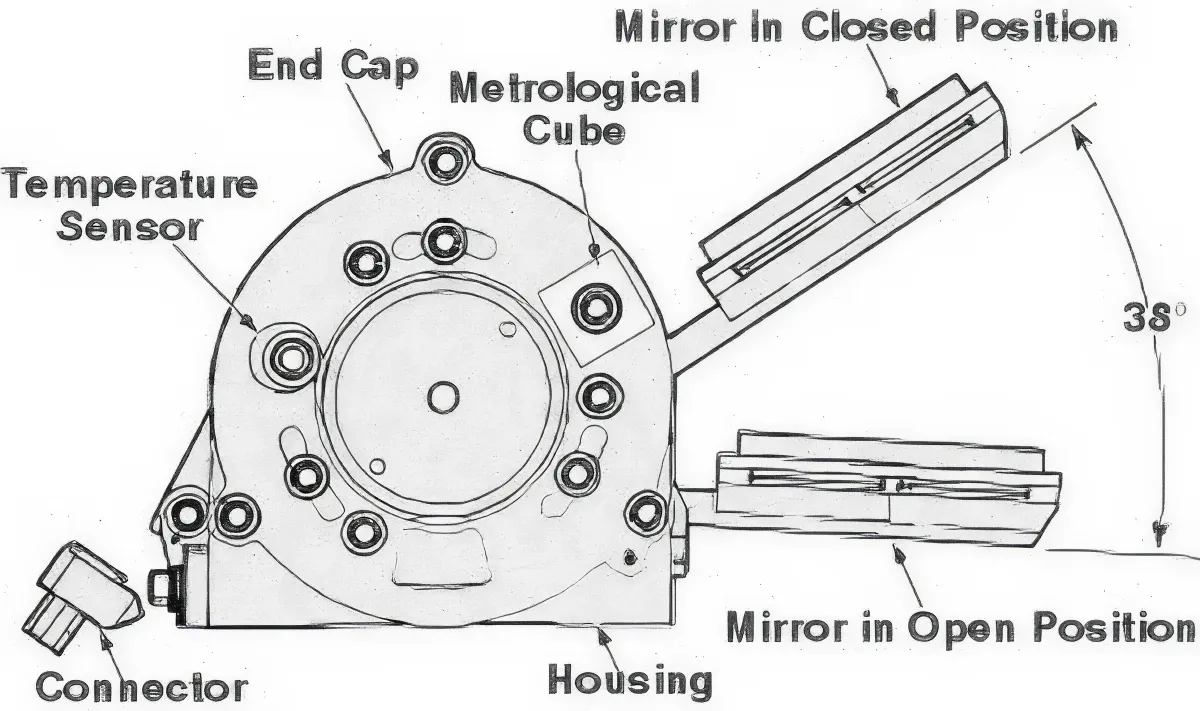
Traditional DSLR cameras use a mechanical focal‑plane shutter made up of two curtains: the first curtain opens to start exposure, and the second curtain closes to end it. Modern mirrorless cameras often use electronic shutters, which control sensor readout directly, allowing extremely high speeds with no mechanical noise. Some cameras also support electronic front‑curtain shutters (EFCS) to reduce vibration.
Below are diagrams and animations illustrating shutter mechanisms:
Shutter speeds range from extremely fast values like 1/8000s (or faster) to long exposures of 30 seconds, or even Bulb mode, where exposure time is manually controlled. Understanding shutter speed is fundamental to mastering motion in photography.
The Functions of Shutter Speed
Shutter speed has two main functions: controlling the amount of light and controlling the appearance of motion.
First, controlling light: the longer the shutter stays open, the more light enters the camera and the brighter the image becomes; the shorter the time, the less light enters and the darker the image. This is similar to aperture size, but shutter speed controls light through time.
Second, controlling motion: this is shutter speed’s most distinctive creative function. Fast shutter speeds freeze fast‑moving subjects, capturing crisp moments in time. Slow shutter speeds create motion blur, conveying a sense of speed or the passage of time. Many photographers deliberately use slow shutter speeds to create light trails, silky water effects, or dreamlike imagery.
Shutter speed also affects the risk of camera shake. When shooting handheld, slow shutter speeds can cause overall blur due to hand movement. A common guideline is the “safe shutter speed” rule: use a shutter speed at least equal to the reciprocal of the focal length (for example, at least 1/50s with a 50mm lens).
The Relationship Between Shutter Speed, Aperture, and ISO
Shutter speed is one corner of the exposure triangle and is closely linked to aperture and ISO. Changing shutter speed by one stop (for example, from 1/100s to 1/200s, halving the exposure time) reduces the amount of light by half. To maintain the same exposure, you must compensate by opening the aperture by one stop or increasing ISO by one stop.
For example, in bright conditions, you can use a fast shutter speed to freeze motion while stopping down the aperture to increase depth of field. In low light, you may need a slower shutter speed, which can reduce sharpness—so increasing ISO or opening the aperture helps compensate. In automatic modes, the camera balances these settings for you; in manual mode, you have full creative control.
This complementary relationship allows photographers to adapt to different scenarios. When motion control is the priority, use Shutter Priority mode (S or Tv). When depth of field is the priority, use Aperture Priority mode.
How Do Different Shutter Speeds Affect Photos?
Shutter speed directly determines how motion and sharpness are represented in an image.
Fast shutter speeds (1/500s or faster, up to 1/4000s): freeze motion, capturing birds in flight, splashing water, or athletes in sharp detail. Ideal for sports, wildlife, or children. In low light, however, fast speeds may result in underexposed images unless compensated with a wide aperture or higher ISO.
Medium shutter speeds (1/60s to 1/250s): suitable for general handheld shooting, portraits, and still subjects. These speeds help avoid camera shake, though fast‑moving subjects may still show slight blur.
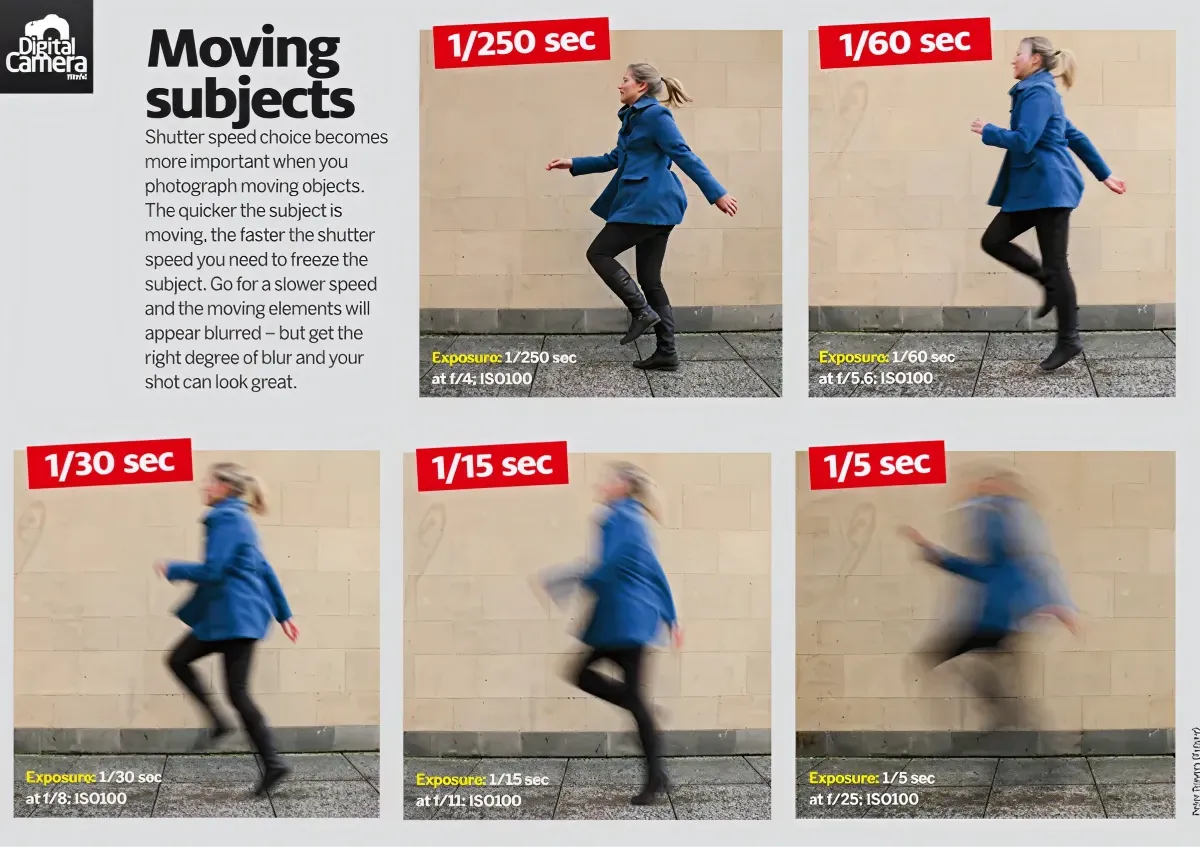
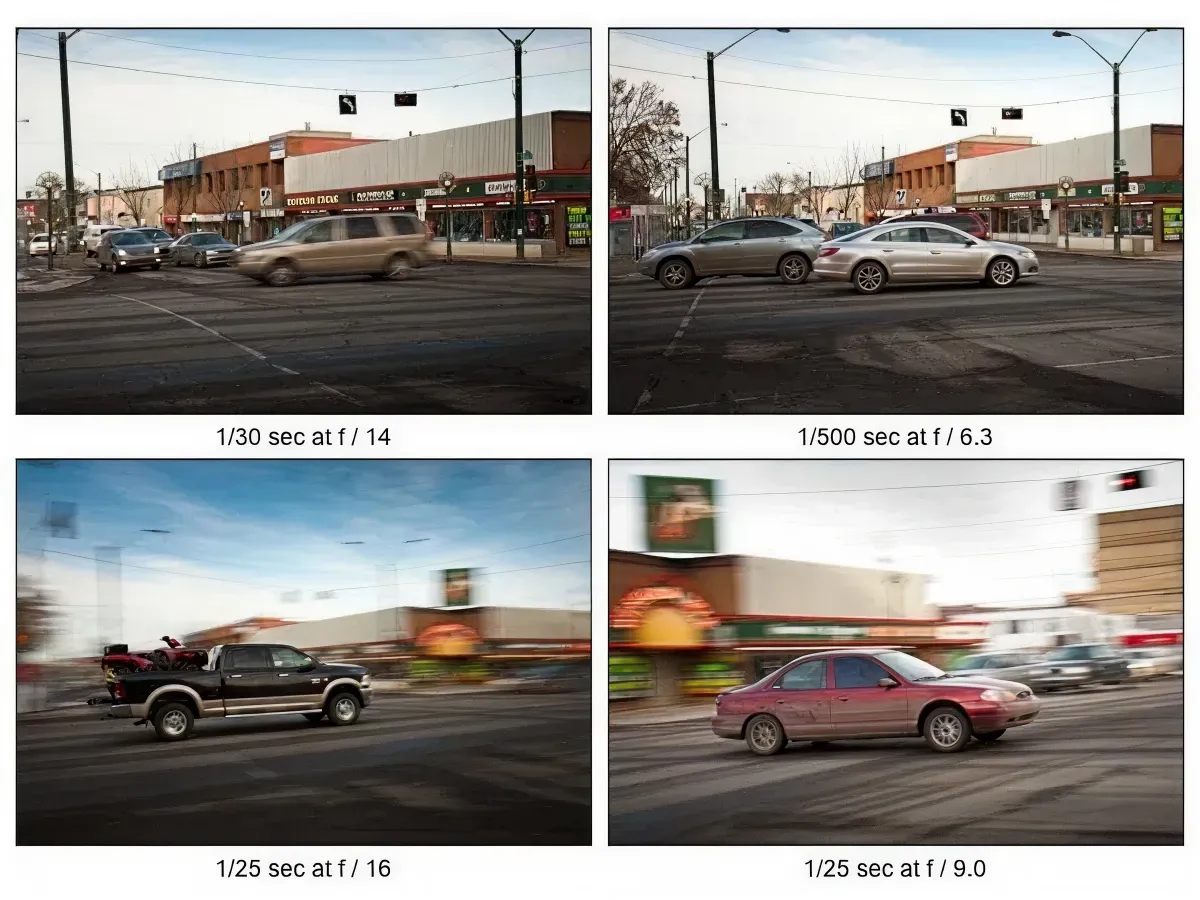
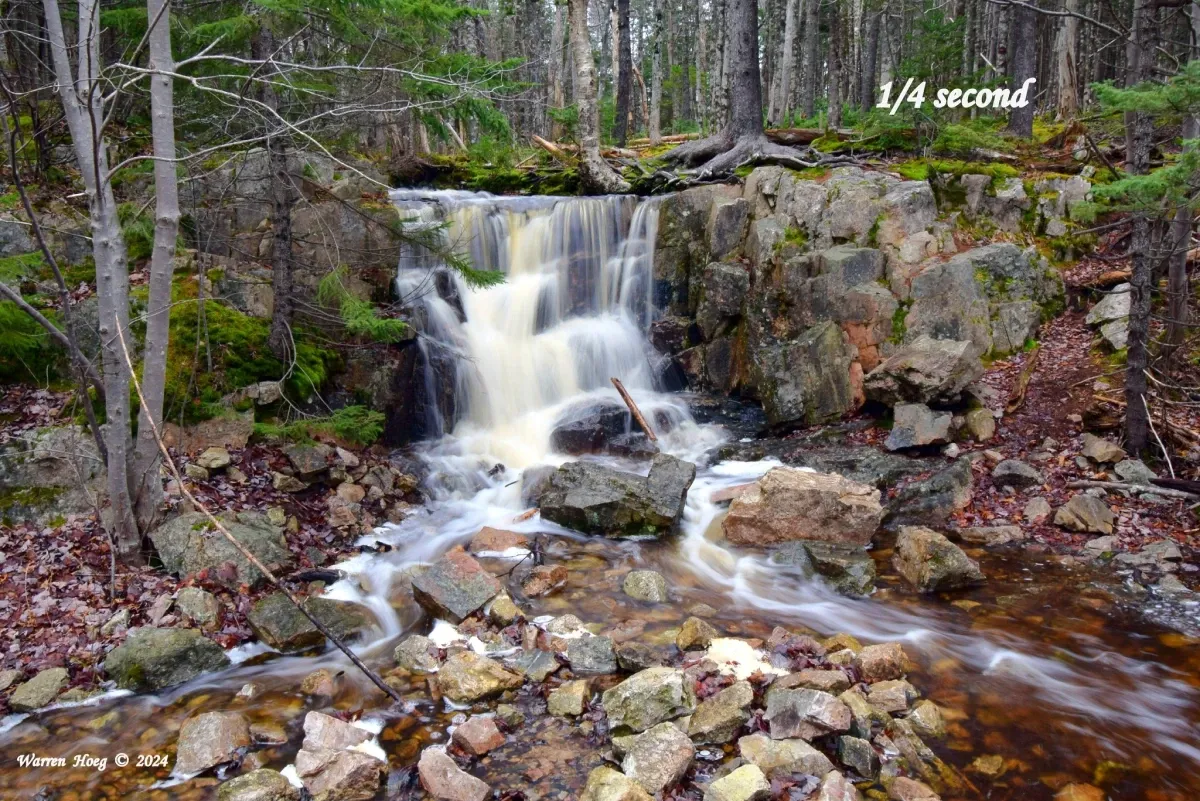
Slow shutter speeds (1/15s or slower, including several seconds): create motion blur to convey movement, such as blurred wheels on a race car or ghost‑like pedestrians. Long exposures enable artistic effects such as silky waterfalls, star trails, or light trails from traffic at night. A tripod is essential to avoid overall blur.
Below are comparisons showing how shutter speed affects motion:
Examples of long exposure:
Another technique is panning: using a slower shutter speed (around 1/30s) while following a moving subject. The subject remains relatively sharp while the background blurs, emphasising speed.


In short, shutter speed affects more than brightness—it shapes a photo’s sense of time and storytelling.
How to Control Shutter Speed for the Best Results
The key principle is to decide on the desired motion effect first, then adjust aperture and ISO to achieve proper exposure.
Practical tips:
Choose the right mode: Use Shutter Priority mode (S or Tv), where you set the shutter speed and the camera automatically adjusts aperture and ISO.
Below is an example interface of Shutter Priority mode:
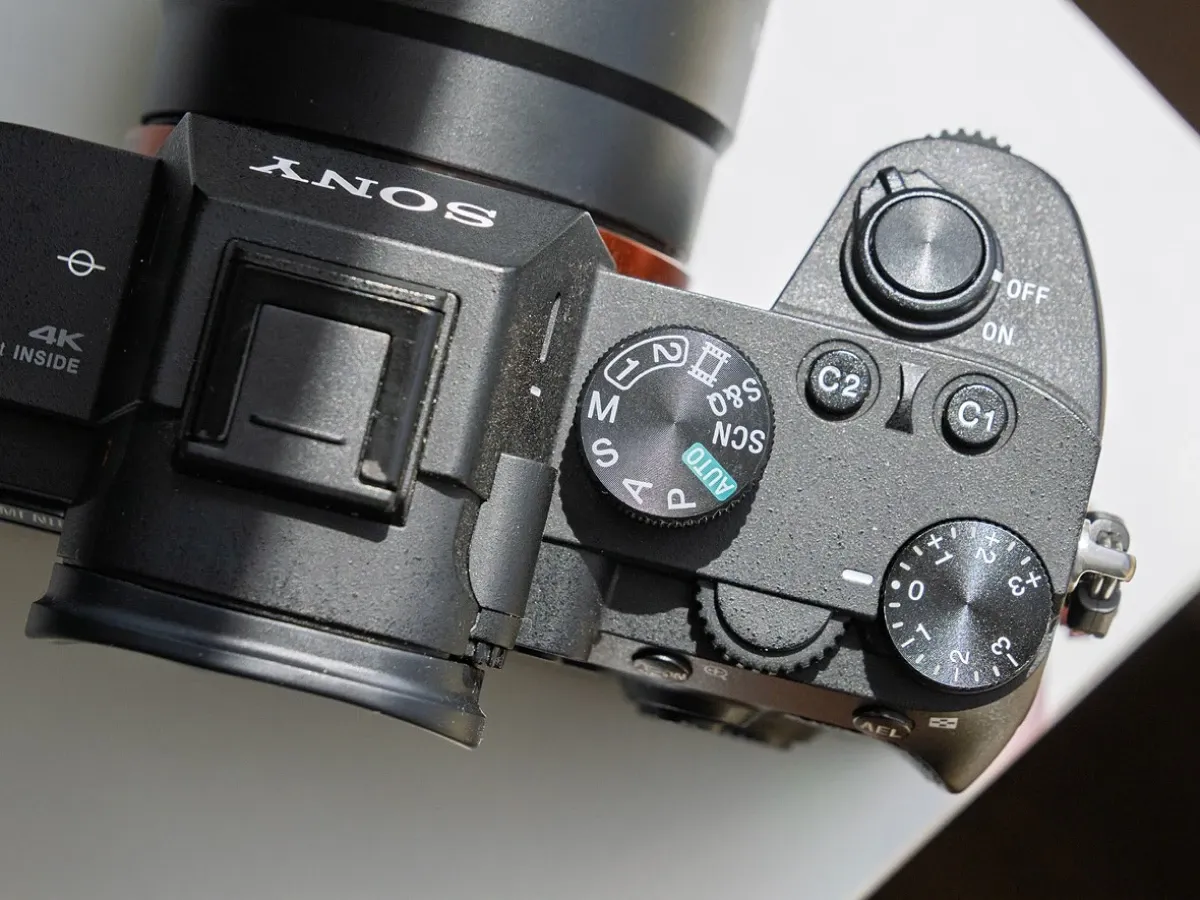
Interface of Shutter Priority mode (Source: dpreview.com) - Action photography: Use shutter speeds of 1/1000s or faster, combined with continuous shooting, to capture decisive moments.
- Long exposure creativity: Use a tripod, Bulb mode, or ND filters to shoot silky water (0.5–10s), light trails (10–30s), or star trails (several minutes).
- Handheld safety: Follow the safe shutter speed rule, or enable image stabilisation (IS/VR) to gain 2–4 stops of stability.
- Panning technique: Practice smooth body movement while tracking a subject with a slower shutter speed to create strong motion effects.
- Test and practice: Shoot the same scene at different shutter speeds and observe the changes. For night photography, use higher ISO to avoid excessively long exposures that introduce noise.
For example: use 1/2000s to freeze a bird’s wings, 10 seconds to create light trails in night traffic, or 1/15s to pan with pedestrians and blur the background.
With practice, you’ll develop an intuitive sense of shutter speed—whether freezing action or embracing blur, you’ll be able to express your creative intent with precision.
Preserve Your Precious Memories with Capture’s Photo Album Digitisation Service
Do you have a box full of old photographs, worried that they may fade or get damaged over time? Now, you can preserve these treasured memories by digitising them with Capture.HK’s professional photo album digitisation service. Our service allows you to convert your old photos into high-quality digital files, ensuring they are safely stored and easily shareable.
At Capture.HK, we use high-resolution scanning technology to restore your photos with sharp details and vibrant colours, maintaining their original quality. We also offer various file formats, making it easy for you to access and share them across different devices. Most importantly, we handle your photos with utmost care, ensuring they are safely processed and preserved.
The Frame Digital Photo Frame
Want to relive your digital memories every day? Capture’s The Frame digital photo frame is the perfect solution! Designed to showcase your most cherished moments, The Frame allows you to display a lifetime of memories in one elegant frame.
With its sleek design and high-resolution display, The Frame offers an effortless way to organise and enjoy your favourite photos. Simply digitise your photo collection, upload them to The Frame, and enjoy your memories anytime, anywhere.
Whether placed in the living room, bedroom, or office, The Frame adds a touch of warmth and personality to your space. More than just a decorative item, it’s a meaningful gift that brings your treasured moments to life.
Get The Frame today and enjoy your memories every day!
References:
- Understanding the relationship between Aperture, Shutter Speed and ISO - learningwithexperts
- The Exposure Triangle: aperture, shutter speed and ISO explained - techradar
- What is the Exposure Triangle? A Beginner’s Guide - studiobinder
- Low-Power Shutter Mechanism for a Cryogenic Infrared Camera - techbriefs
- Rearranging Reality - connealy
- Capturing Motion - mrs-cook.weebly
- A Basic Guide To Camera Exposure - filmlocal
- Intro to Shutter Speed and Motion Blur (Shooting in Manual Part 3) - hunterandsarah
- Exposure Waterfall Images, Pictures And Stock Photos - dreamstime
Extended Readings:
- Free Mobile Photo Quality Restoration App YouCam AI Repair: User Guide, Pricing, and Reviews
- What is a DSLR Camera? How Does It Differ from a Mirrorless Camera? Entry-Level Camera and Lens Recommendations
- [Ricoh GR1v] Price, Specifications, Reviews, and User Opinions (With Hong Kong Purchase Locations)
Capture Reviews
Related Articles
You may also like these articles







Capture · Our team
Any Questions?
Feel free to contact
our Memory Specialists
Not sure what format you have or how best to handle it? WhatsApp us and one of the team will take a look.
WhatsApp us Free quote