Old Home Video Formats: How to Identify and Preserve Them

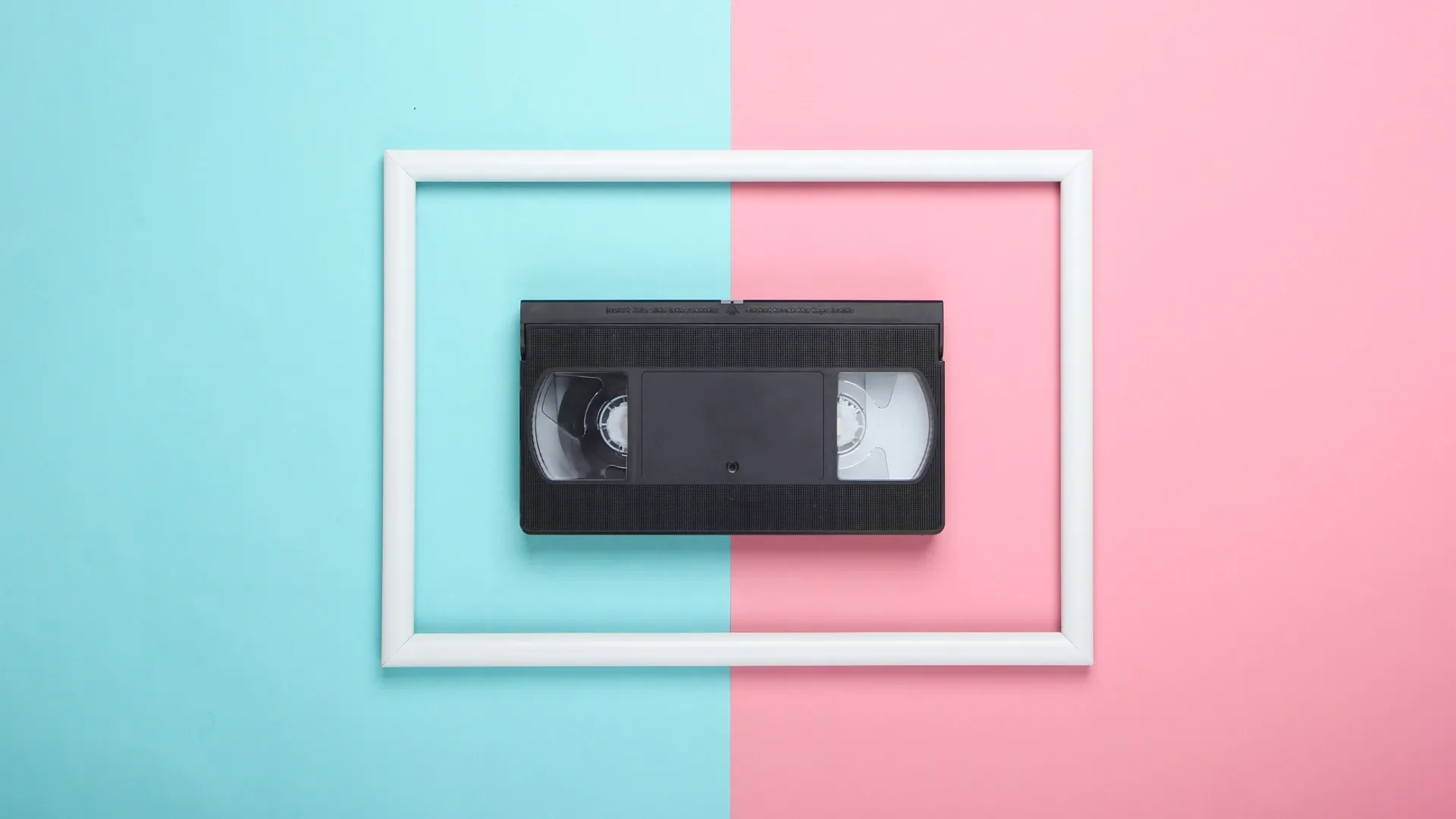
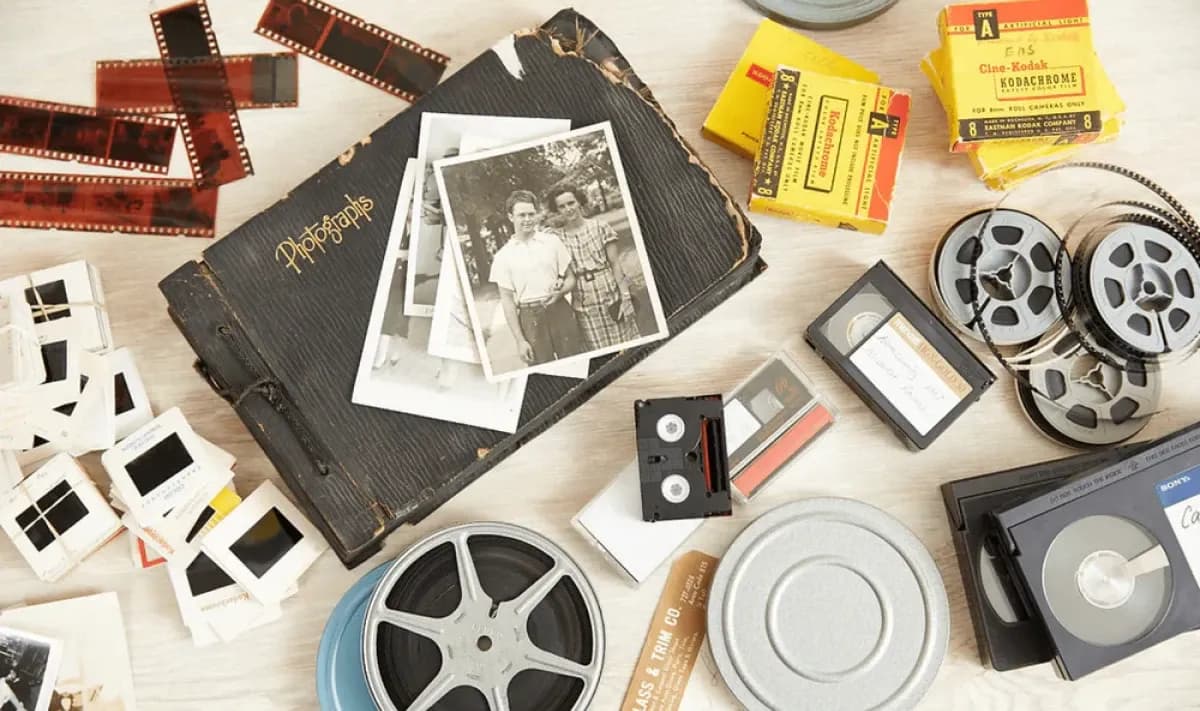
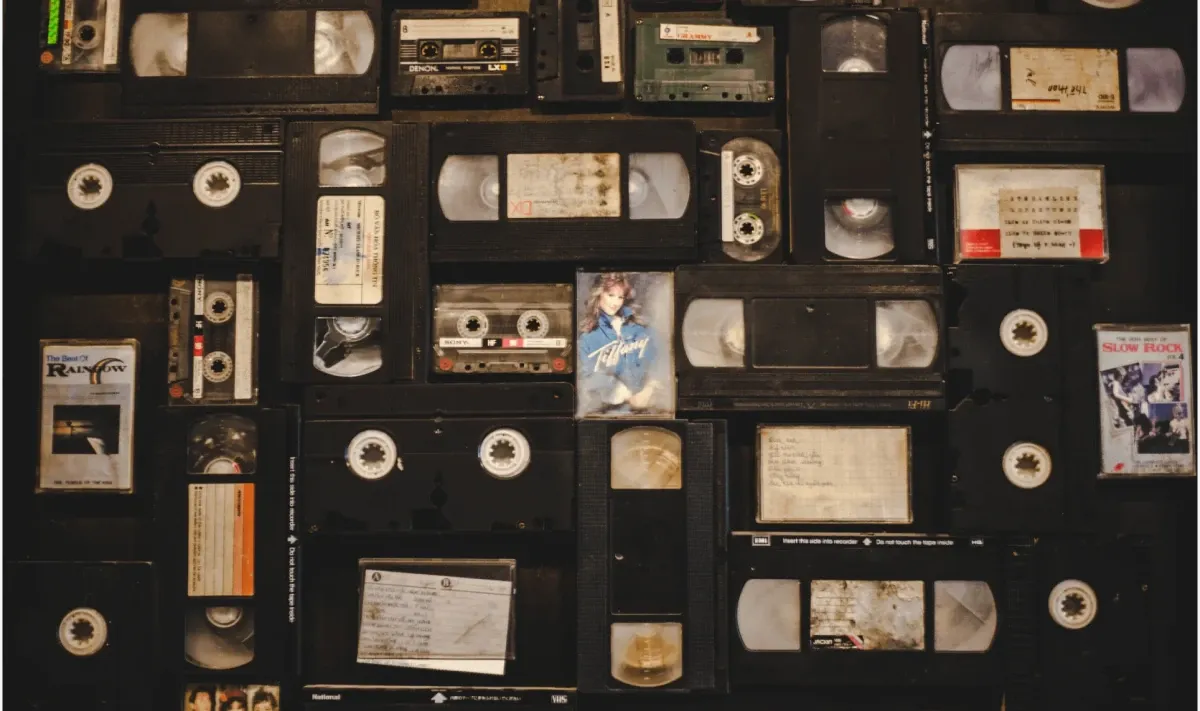
Clear out a parent's cupboard in Hong Kong and you may find a small museum of home video: a tin of cine film, a few full-size VHS tapes, some stubby VHS-C cassettes, a handful of Hi8 tapes and a MiniDV or two. Each one came from a different camera and needs a different machine to play. Knowing which format you have is the first step to watching it again. This guide walks through the main home movie formats in the order they appeared, how to recognise each one, and how to keep them safe.
Quick identification guide
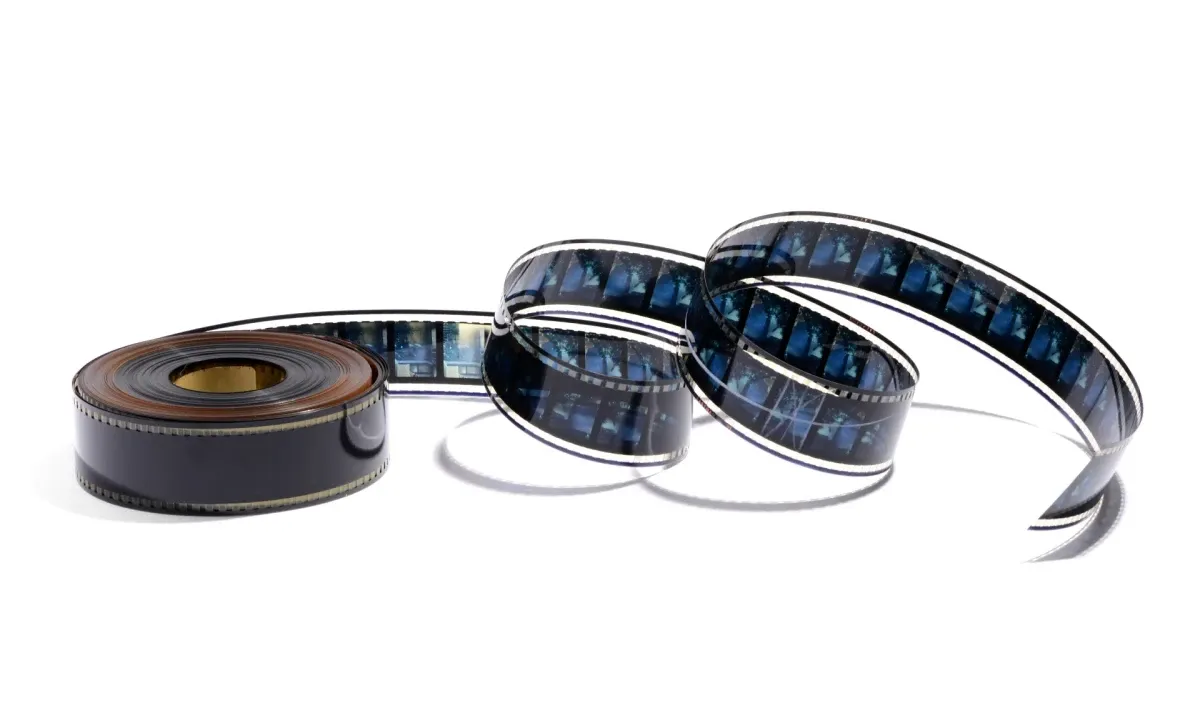
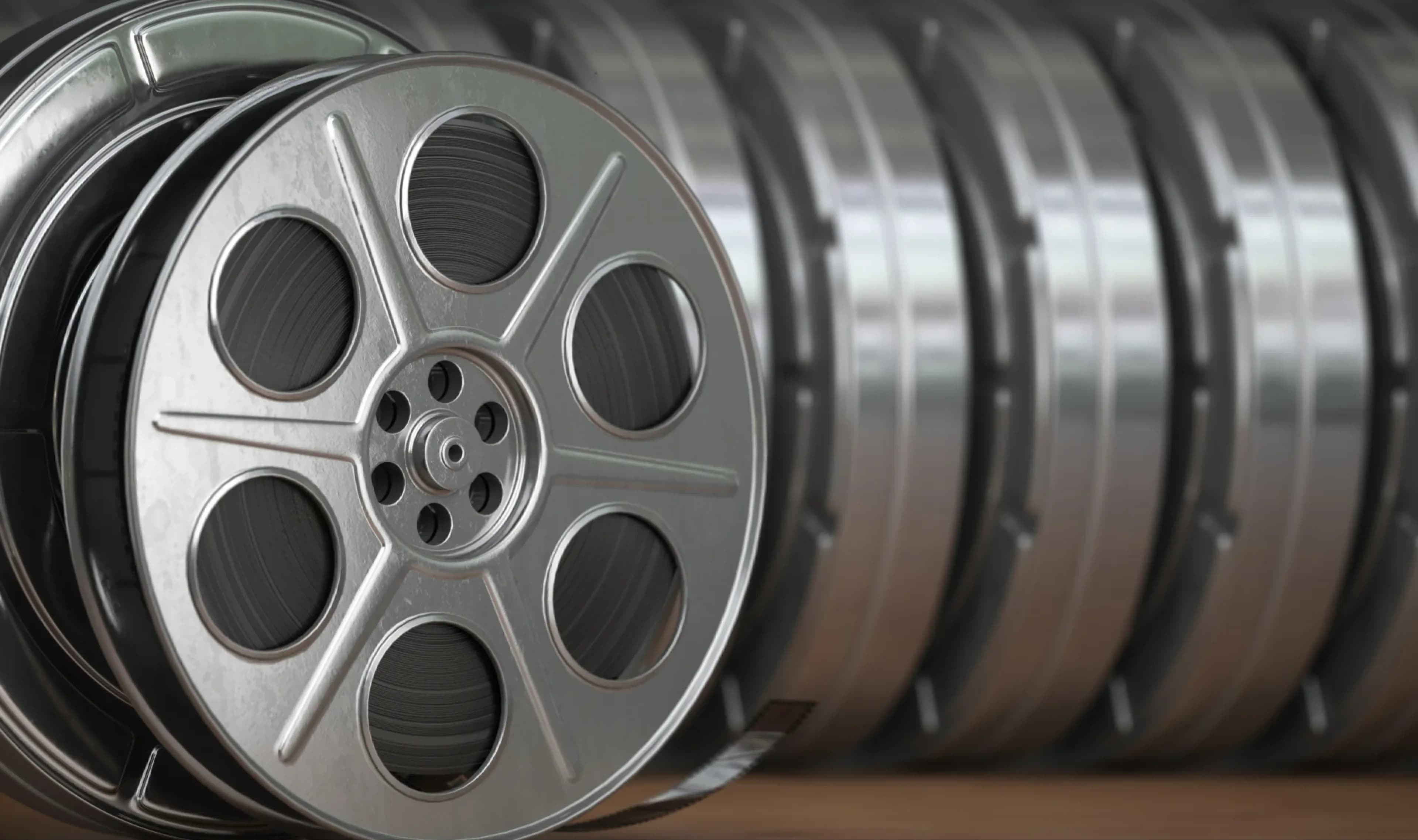
Film on a small open reel, with sprocket holes: 8mm, Super 8 or 16mm cine film.
Large cassette, about the size of a paperback: VHS or Betamax. Betamax is noticeably smaller than VHS.
Small cassette marked VHS-C: compact VHS from a camcorder, made to fit an adapter for a normal VHS player.
Cassette about the size of an audio tape: Video8, Hi8 or Digital8.
Tiny cassette marked DV: MiniDV.
Small disc, memory card or hard drive: a later digital camcorder.
The film years
16mm (1923)
Kodak introduced 16mm film in 1923 together with its Cine-Kodak camera, as a smaller and safer alternative to professional 35mm. It made amateur filmmaking possible, but the cameras and film were expensive, so 16mm was mostly used by enthusiasts, schools and well-off families. Look for wider film with sprocket holes, often on larger reels.
8mm (1932)
Standard 8mm, sometimes called Regular 8 or Double 8, was Kodak's answer to the cost problem. The camera ran a 16mm-wide strip through twice, exposing one half each way, and the lab split it down the middle after processing. The result was cheaper film and smaller cameras, and home movies began to spread. Most 8mm films are silent.
Super 8 (1965)

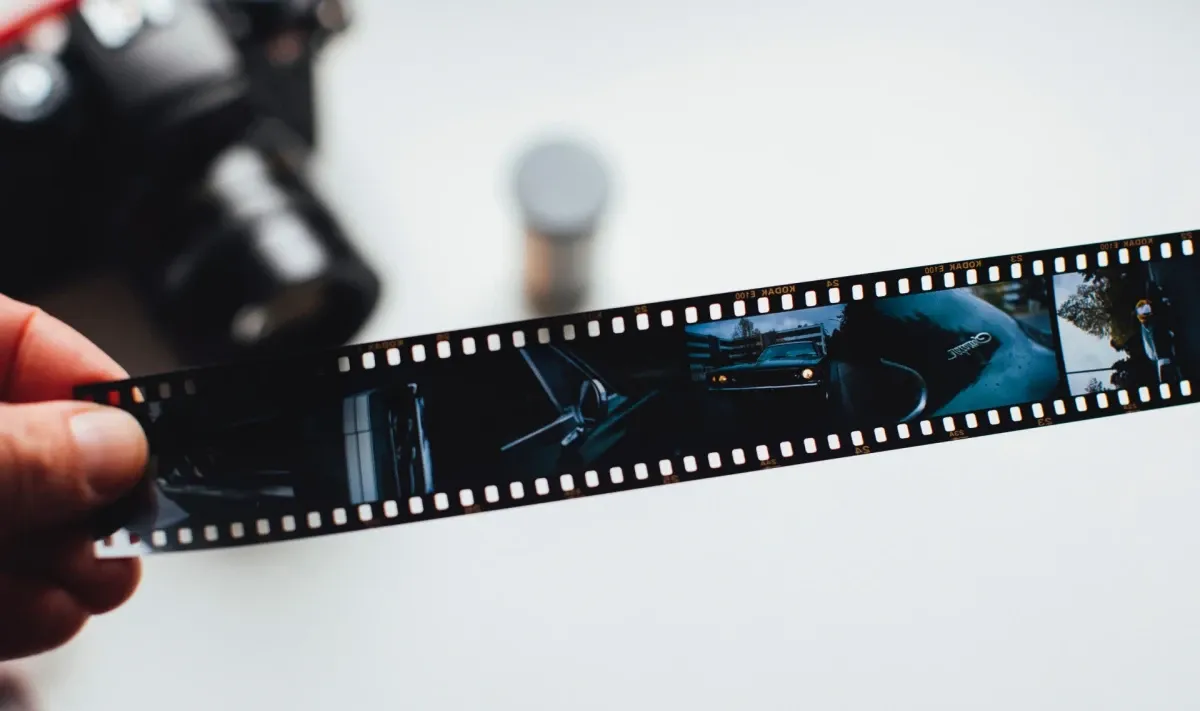
Super 8 changed home movies almost overnight. The film came in a plastic cartridge that simply clicked into the camera, with no threading. Smaller sprocket holes left room for a larger picture, so the image was sharper than standard 8mm on the same width of film. From 1973, sound cameras could record audio on a thin magnetic stripe along the film. In Japan, Fujifilm introduced a rival cartridge format called Single 8 in the same year as Super 8, so both turn up in Asian family collections.
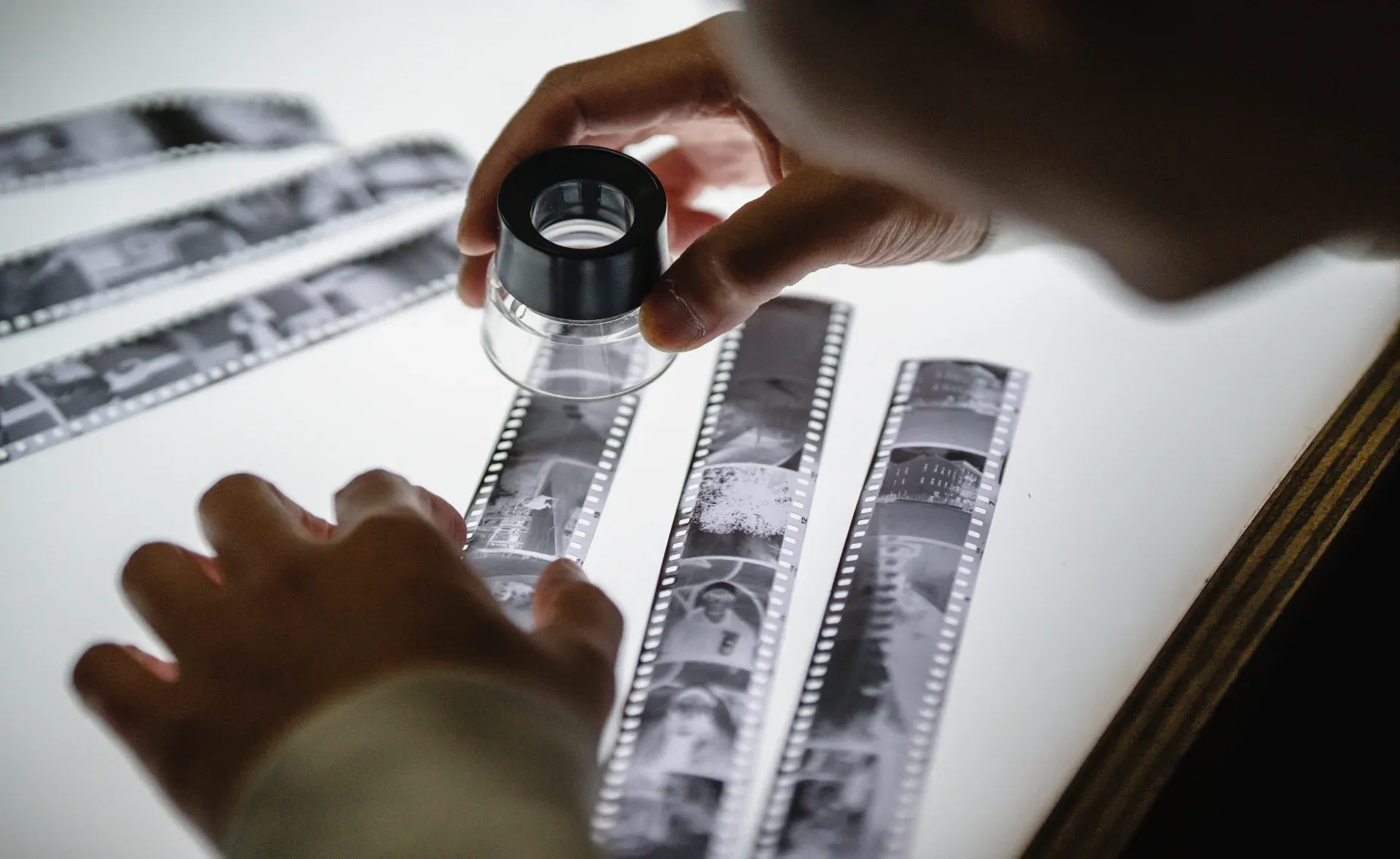
A quick way to tell 8mm and Super 8 apart: Super 8 has small, rectangular sprocket holes with a lot of picture beside them, while standard 8mm has larger holes and a narrower picture.
The videotape years
Videotape recorded picture and sound magnetically, so there was no lab processing and no waiting. You could watch the recording straight away on the family TV.
Betamax (1975) and VHS (1976)
Sony launched Betamax in 1975, and JVC answered with VHS in 1976. The two fought a famous format war. VHS offered longer recording time and was licensed widely to other manufacturers, and it became the global standard. In Hong Kong, as in most of the world, the family video recorder was almost always VHS, though Betamax tapes still appear in some collections.
VHS-C (1982)
VHS-C put VHS tape in a much smaller cassette so camcorders could be made lighter. Placed in an adapter, a VHS-C tape played in a normal VHS machine, which made it very popular for birthdays, holidays and school events.
Video8 (1985), Hi8 (1989) and Digital8 (1999)
Sony's 8mm video format used a cassette about the size of an audio tape, allowing truly palm-sized camcorders. Hi8 improved the picture, and Digital8 later recorded digital video onto the same kind of cassette. All three look almost identical, so check the label on the tape or the camera.
MiniDV (1995)
The DV format recorded digital video on a very small tape, and MiniDV became the standard for home camcorders around the turn of the century. The picture is a clear step up from analogue tape, and footage could be copied to a computer for editing.
The digital years
In the 2000s, camcorders began recording to small 8cm DVDs, then to built-in hard drives and memory cards, and by the mid-2000s in high definition. Today almost everyone records on a phone. These files are easy to copy, but they are often scattered across old cards, discs and laptops that nobody has opened in years.
Why old home movies are at risk
Humidity. Hong Kong's damp climate encourages mould on both film and videotape. On tape it shows as white spots on the edges of the reel; on film, as cloudy or web-like patches.
Ageing materials. Film can shrink, curl or fade. Tape loses signal and its coating can start to shed.
Disappearing players. Working projectors and camcorders are getting rare, and a faulty machine can chew a tape or scratch a film in seconds.
Lost files. Digital footage on old cards and discs disappears when the media fails or gets thrown away.
How to store them until you digitise
Keep tapes and reels in a cool, dry place, ideally a dry cabinet (防潮箱) or a room with a dehumidifier.
Store tapes upright, like books, and away from speakers and anything magnetic.
Keep everything off the floor and away from windows, out of reach of typhoon leaks and sunlight.
Label each item with what you know: names, events, years.
Avoid playing mouldy tapes or film. It can damage both the recording and the machine.
Digitise your family's home movies with Capture HK
Capture HK transfers VHS, S-VHS, VHS-C, Video8, Hi8, Digital8, MiniDV and Betamax tapes to MP4, played on calibrated decks with time-base correction. Standard tapes start at HK$200 per tape whatever the length, with cleaning available for mouldy tapes. We also transfer 8mm, Super 8 and 16mm film, and recover files from old memory cards and discs. See our videotape digitisation page and film transfer page, or get an instant estimate with our free quote.
Capture Reviews
Related Articles
You may also like these articles
Capture · Our team
Any Questions?
Feel free to contact
our Memory Specialists
Not sure what format you have or how best to handle it? WhatsApp us and one of the team will take a look.
WhatsApp us