ISO Sensitivity: What Is It? How Do Different Values Affect Your Photos?

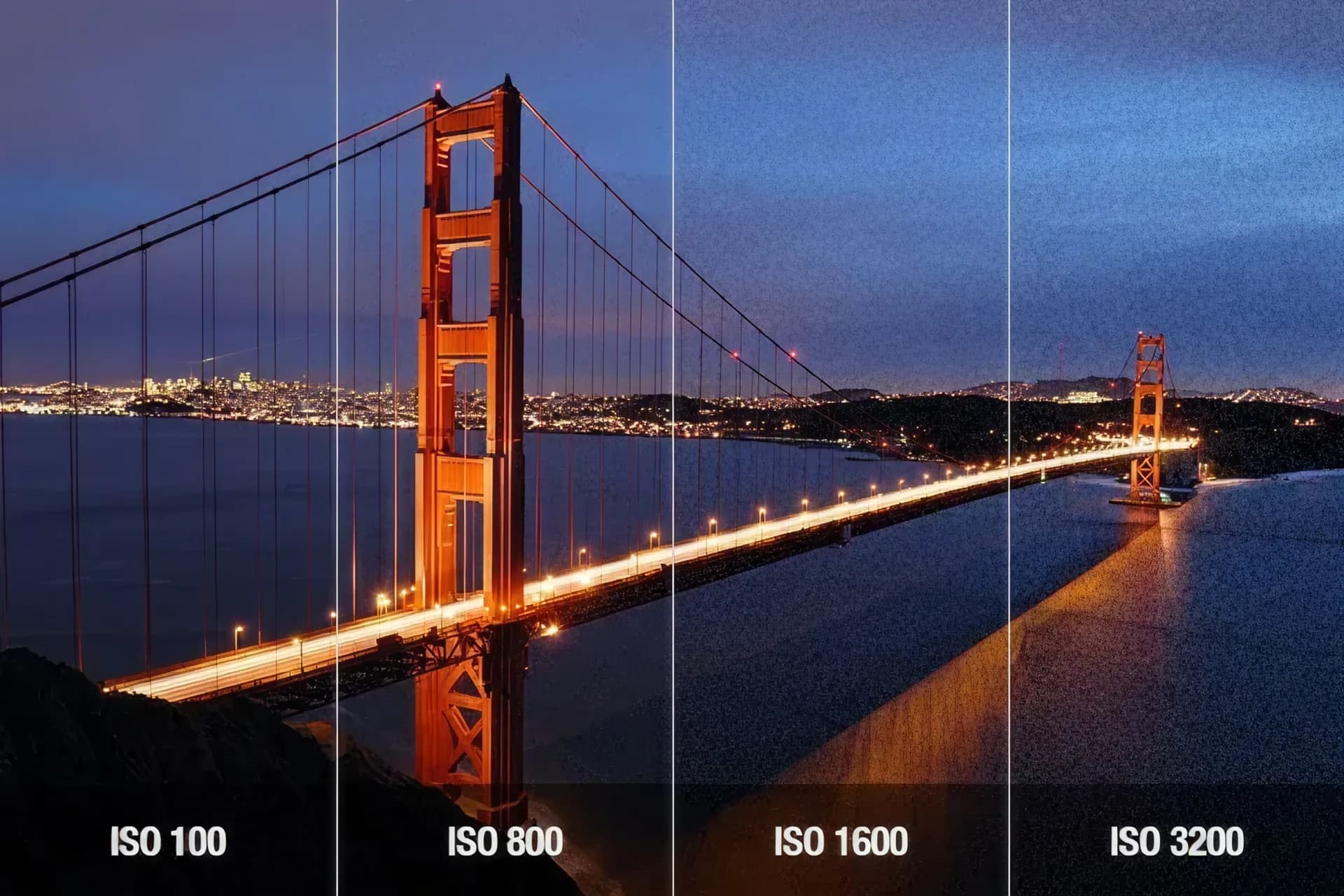
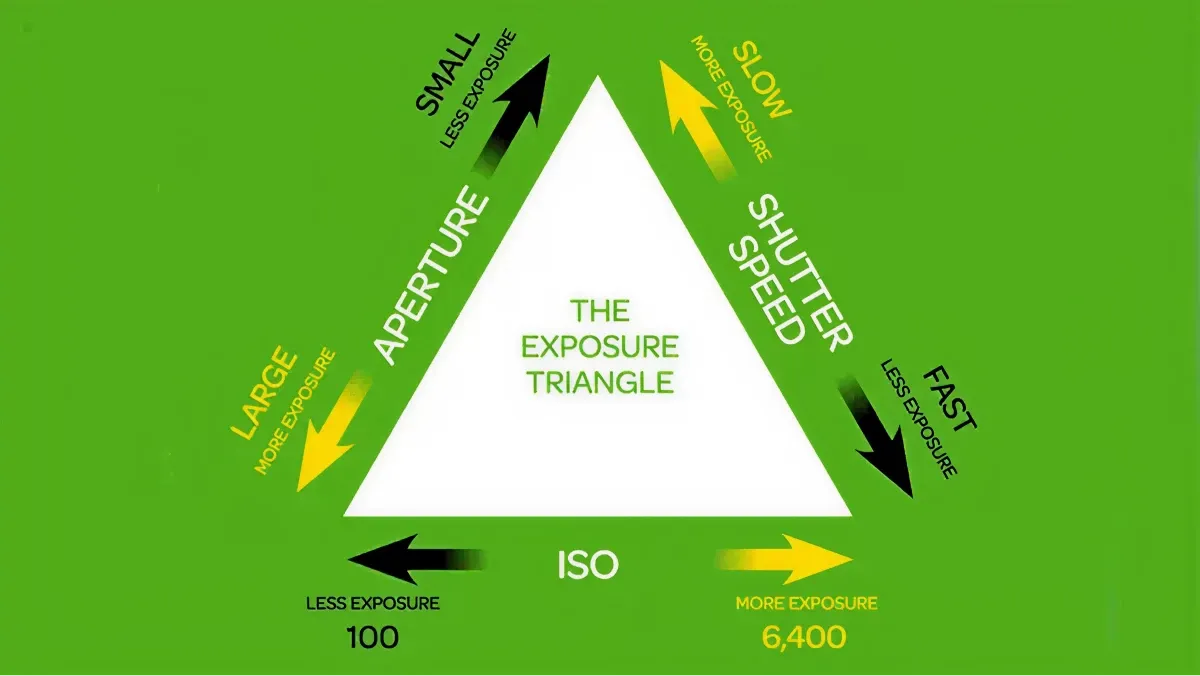
In the world of photography, exposure is one of the key elements that determines the success or failure of a photograph. The control of exposure primarily relies on three core parameters: aperture, shutter speed, and ISO sensitivity. These three are known as the "Exposure Triangle," and they interact with each other to collectively determine the brightness, clarity, and image quality of a photo. Among them, ISO sensitivity plays the role of adjusting the camera's sensitivity to light. Especially in low-light environments, it enables photographers to flexibly respond to various shooting scenarios. This article will delve into the essence of ISO sensitivity, its effects on photographs, and how to skillfully utilise it to achieve optimal results. Whether you are a beginner or an experienced photography enthusiast, understanding ISO will help you better control your camera and create stunning works.
Below is a diagram of the exposure triangle, clearly showing the relationship between ISO, aperture, and shutter speed:
What Is ISO Sensitivity?
ISO sensitivity, abbreviated as ISO, is an indicator established by the International Organisation for Standardisation to measure the sensitivity of a camera's sensor (or film in the film era) to light. The higher the value, the more sensitive the sensor is to light, allowing it to capture sufficient images in less lighting.
In the traditional film photography era, ISO directly corresponded to the size of the film's light-sensitive grains. Low ISO (such as ISO 100) film had fine grains, suitable for bright environments; high ISO (such as ISO 800 or higher) film had coarser grains, capable of shooting in low light but would produce noticeable graininess. Entering the digital era, the concept of ISO was extended to the image sensors (CMOS or CCD) of digital cameras. However, the nature of digital ISO is slightly different: the sensitivity of the sensor itself is fixed, and ISO adjustment is actually achieved through signal amplification to simulate higher sensitivity. This means that increasing ISO does not truly increase the number of photons captured, but rather amplifies the already captured signal, thereby making the photo appear brighter.
Common ISO values increase in multiples, such as 100, 200, 400, 800, 1600, 3200, etc. Each time you increase one stop (for example, from ISO 100 to 200), the sensitivity doubles, and the camera requires half the amount of incoming light. This allows photographers to use faster shutter speeds or smaller apertures under the same lighting conditions.
Modern cameras have a very wide ISO range, from base ISO (typically ISO 100 or lower) to extended high ISO (such as ISO 12800 or higher). Many cameras also offer an automatic ISO function, allowing the camera to adjust automatically according to the environment. Some high-end cameras even have "native ISO" values, at which noise is minimised and image quality is optimal.
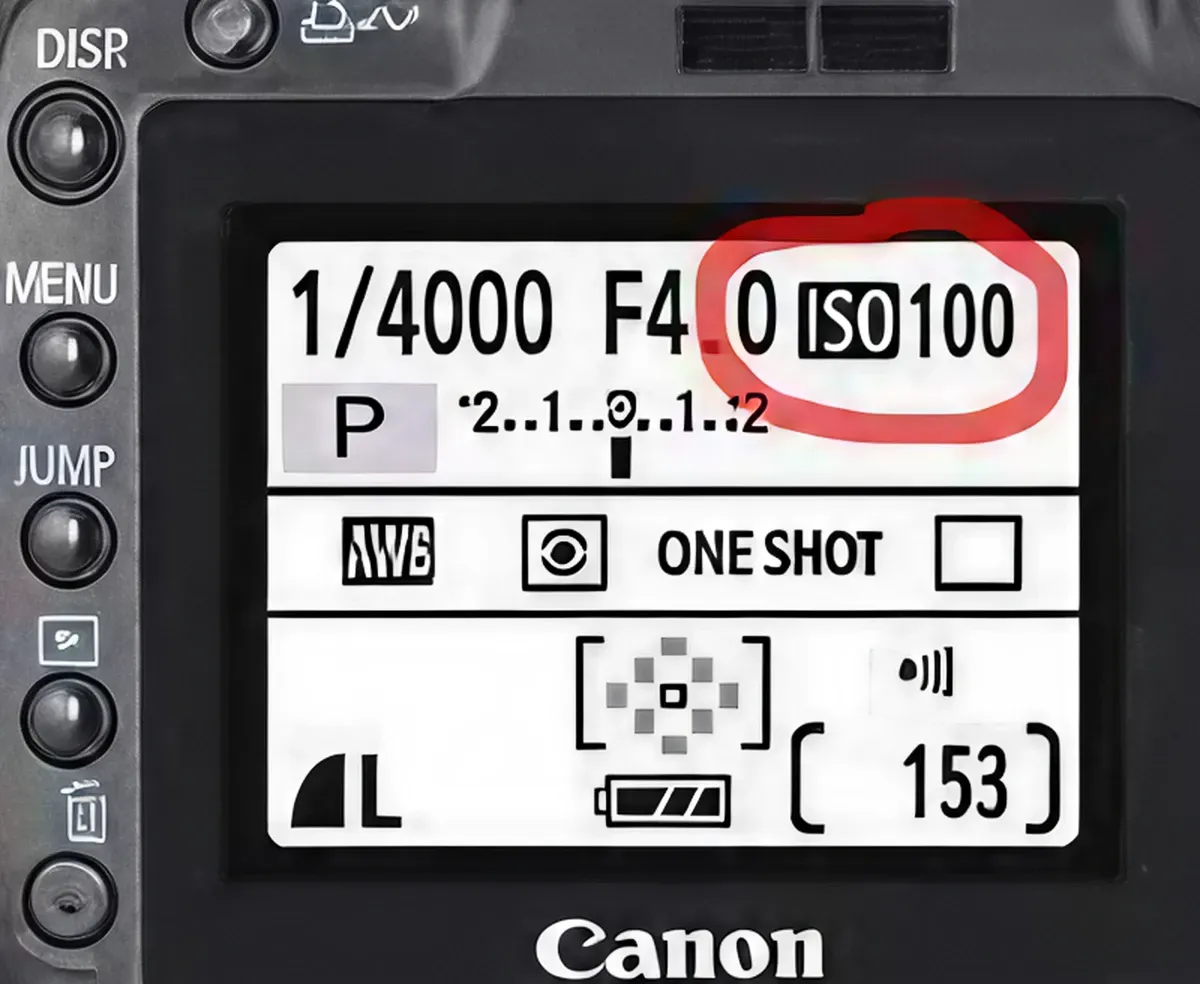
Below is an example of a camera's ISO settings menu, showing how to manually adjust ISO values:
In summary, ISO is an important component of the exposure triangle, allowing photographers to create freely under various lighting conditions without having to rely entirely on external light sources or tripods.
What Effects Do Different ISO Settings Have on Photos?
The primary function of ISO settings is to change the brightness of photos, but it also brings side effects, the most significant being the generation of noise. This is because when increasing ISO, the camera amplifies the signal while also amplifying the sensor's own electronic noise and random interference, causing the photo to display grain or coloured spots.
Low ISO (such as ISO 100-400): Under sufficient light, using low ISO can produce the cleanest, most delicate image quality. Colors are saturated, details are rich, dynamic range is broad, suitable for landscape, portrait, or still life photography. At this point, noise is minimal, and photos remain clear even when enlarged. However, the drawback is that more light is required; if lighting is insufficient, it may result in shutter speeds that are too slow, causing hand shake blur or subject motion blur.
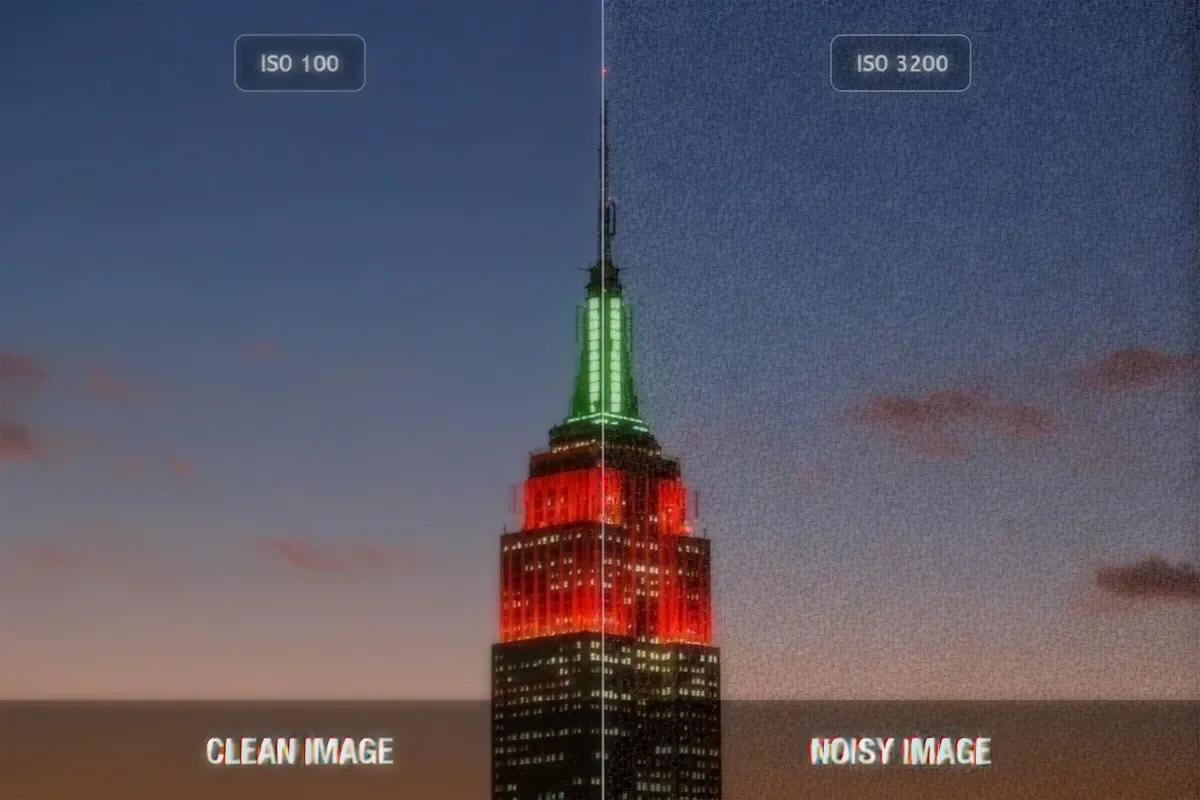
High ISO (such as ISO 1600 and above): In low-light environments (such as indoors, dusk, or night scenes), high ISO can make photos brighter and allow faster shutter speeds, avoiding blur. This is crucial for sports, wildlife, or concert photography. However, high ISO introduces noticeable noise, including luminance noise (which appears grainy) and chrominance noise (colored spots). Noise reduces detail and distorts colors, especially more noticeably in shadow areas. Modern cameras have made significant progress in noise control technology, and image quality at high ISO has greatly improved, but still cannot completely match low ISO.
Below is a comparison of photos at low ISO versus high ISO, clearly showing the noise difference (cropped and enlarged to show details):
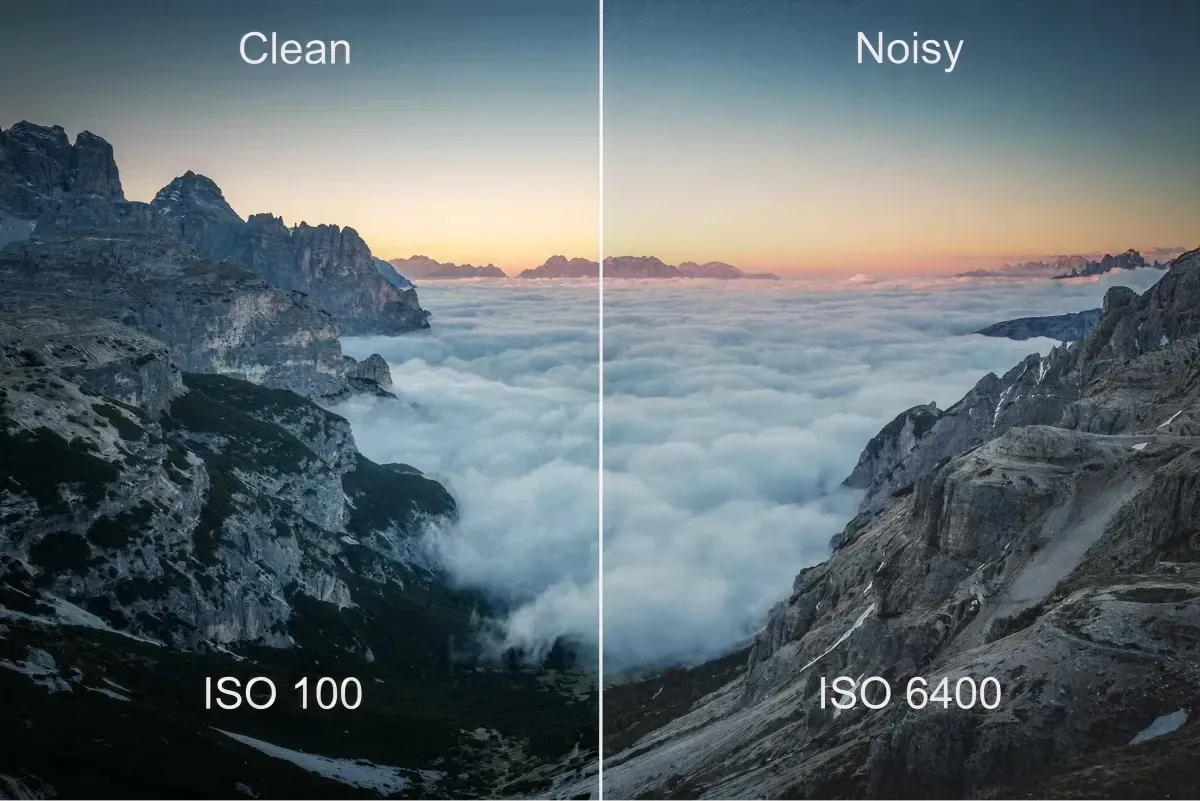
Additionally, high ISO may slightly affect dynamic range (detail retention in highlights and shadows), but modern cameras have optimised this aspect. Some photographers even deliberately use high ISO noise to create artistic effects, such as simulating film grain or vintage styles.
In summary, the effect of ISO is a trade-off between brightness and image quality: low ISO pursues ultimate quality, while high ISO pursues practicality and speed.
How to Use ISO Settings to Achieve Optimal Results?
To capture the best photos, the principle of using ISO is to "use the lowest possible ISO" while meeting exposure and creative requirements. This requires combining the other two elements of the exposure triangle: aperture and shutter speed.
First, assess the shooting environment and requirements:
Bright outdoors (such as sunny landscapes): Use low ISO (100-200), combined with a tripod or slower shutter, to achieve maximum image quality.
Overcast or indoors: ISO 400-800, balancing noise and handheld stability.
Low light or sports: ISO 1600 and above, or even auto ISO, allowing the camera to automatically adjust within the set minimum shutter speed.
Night scenes or starscapes: Low ISO + long exposure + tripod, avoiding high ISO noise.
Practical techniques:
Prioritise other parameters: First set the desired aperture (controlling depth of field) and shutter (controlling motion blur), then use ISO to supplement exposure. This is an extension of the "ETTR" (Expose To The Right) principle: try to shift the histogram to the right (brighter), but without overexposing, then adjust in post-processing.
Use auto ISO: In aperture priority (A/Av) or shutter priority (S/Tv) mode, enable auto ISO and set an upper limit (such as ISO 3200) and minimum shutter (to avoid hand shake).
Test camera limits: Each camera performs differently at high ISO; it is recommended to test noise at different ISO levels at home to find the acceptable range.
Post-processing noise reduction: Use AI noise reduction tools in Lightroom or Photoshop to effectively reduce high ISO noise while preserving details.
Auxiliary tools: Tripods, stabilisers, or flash can allow you to maintain low ISO. For night photography, long exposure is better than high ISO.
For example, when shooting sporting events: use shutter priority mode, set 1/1000 second to freeze action, enable auto ISO, and let the camera automatically increase to the necessary value. For portrait photography: aperture priority f/2.8 shallow depth of field, low ISO ensures delicate skin texture.
Finally, practice is key. Shoot more and compare more, and you will gradually develop intuitive judgment for the best ISO. Remember, a perfect photo is not about zero noise, but about balancing exposure, creativity, and image quality.
Preserve Your Precious Memories with Capture’s Photo Album Digitisation Service
Do you have a box full of old photographs, worried that they may fade or get damaged over time? Now, you can preserve these treasured memories by digitising them with Capture.HK’s professional photo album digitisation service. Our service allows you to convert your old photos into high-quality digital files, ensuring they are safely stored and easily shareable.
At Capture.HK, we use high-resolution scanning technology to restore your photos with sharp details and vibrant colours, maintaining their original quality. We also offer various file formats, making it easy for you to access and share them across different devices. Most importantly, we handle your photos with utmost care, ensuring they are safely processed and preserved.
The Frame Digital Photo Frame
Want to relive your digital memories every day? Capture’s The Frame digital photo frame is the perfect solution! Designed to showcase your most cherished moments, The Frame allows you to display a lifetime of memories in one elegant frame.
With its sleek design and high-resolution display, The Frame offers an effortless way to organise and enjoy your favourite photos. Simply digitise your photo collection, upload them to The Frame, and enjoy your memories anytime, anywhere.
Whether placed in the living room, bedroom, or office, The Frame adds a touch of warmth and personality to your space. More than just a decorative item, it’s a meaningful gift that brings your treasured moments to life.
Get The Frame today and enjoy your memories every day!
References:
ISO Sensitivity - ricoh-imaging
What is ISO sensitivity? Understanding Its Relationship with Exposure and Examples of Settings - tamron
A beginner's guide to ISO in photography - shorthand
Intro to ISO and Image Grain/Noise for Photographers (Shooting in Manual Part 5) - hunterandsarah
Why does my ISO 1600 picture have a grainy background? - stackexchange
The lowdown on using high ISO settings in photography - adobe
The Exposure Triangle: How Shutter Speed, Aperture, and ISO Work Together in Photography - masterclass
The Exposure Triangle Explained ISO, Shutter Speed, and Aperture - verkada
The exposure triangle: aperture, shutter speed, ISO - whitewall
[Lesson 5] What Is ISO Sensitivity? – snapshot
ISO Sensitivity – sony
What Is ISO Sensitivity? Is Lower ISO Always Better Image Quality? | 4 Common Misconceptions About “The Lower the ISO, the Better” – timtingphotography
Extended Readings:
Capture Reviews
Related Articles
You may also like these articles




Capture · Our team
Any Questions?
Feel free to contact
our Memory Specialists
Not sure what format you have or how best to handle it? WhatsApp us and one of the team will take a look.
WhatsApp us