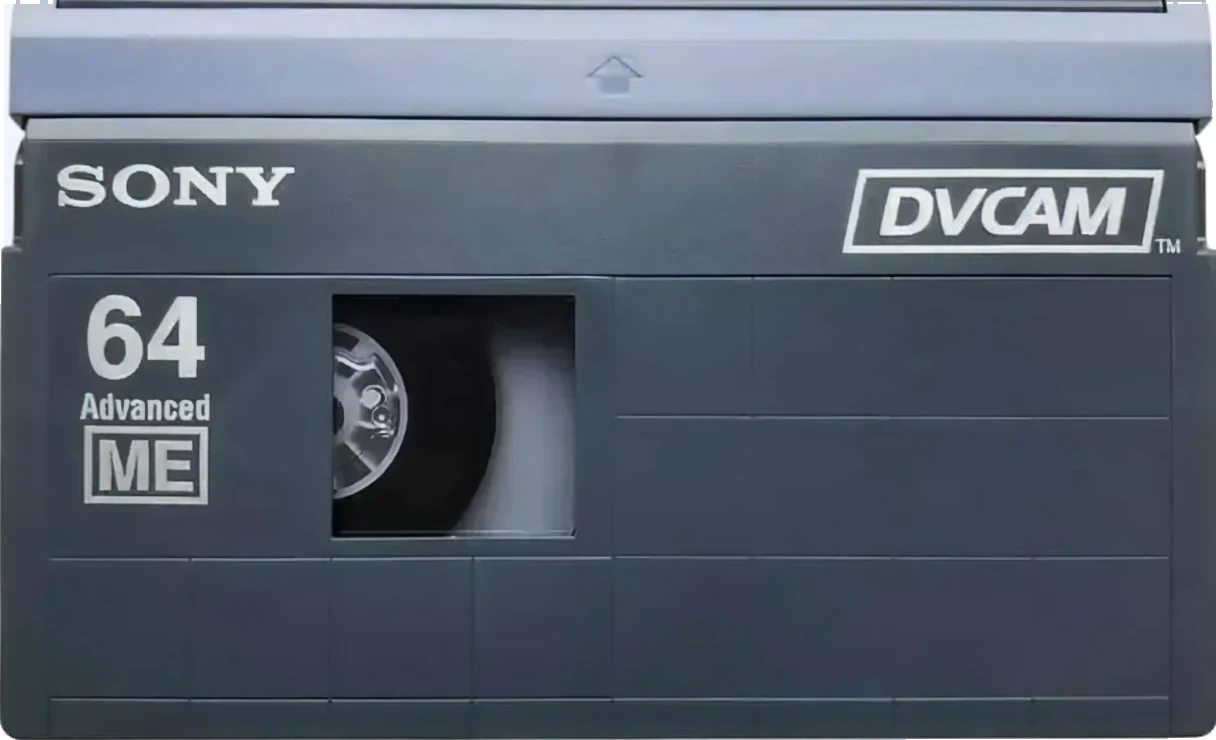
Sony’s professional digital tape, built on DV. Weddings, corporate events and news crews shot a great deal on DVCAM.
- released year
- 1996
- released by
- Sony
- max. recording length
- 184 minutes
- Resolution
- 720 × 576 (PAL)
- DVCAM dimensions
- 125 × 78 × 15 mm
- Tape width
- ¼ inch (6.35 mm)
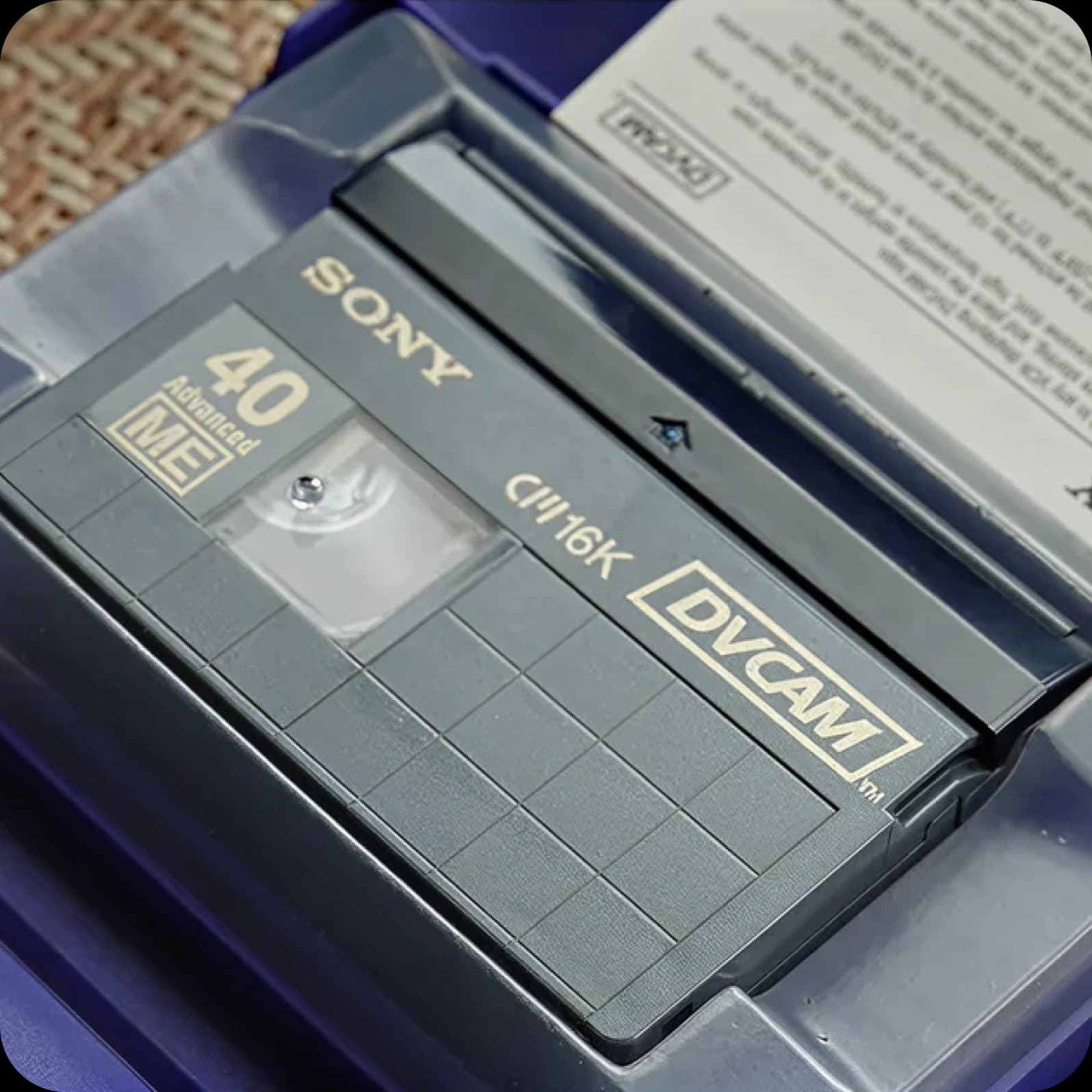
Fig. 1 — A standard Sony DVCAM cassette
§ 01 — Timeline
A short life of DVCAM
 1995
 1996
 2003
 Today
1995 · 1 / 4
DV is born
A consortium of camcorder makers led by Sony and Panasonic launched the DV format. Panasonic’s professional DVCPRO followed the same year.
§ 02 — Introduction of DVCAM
DVCAM
What is DVCAM?
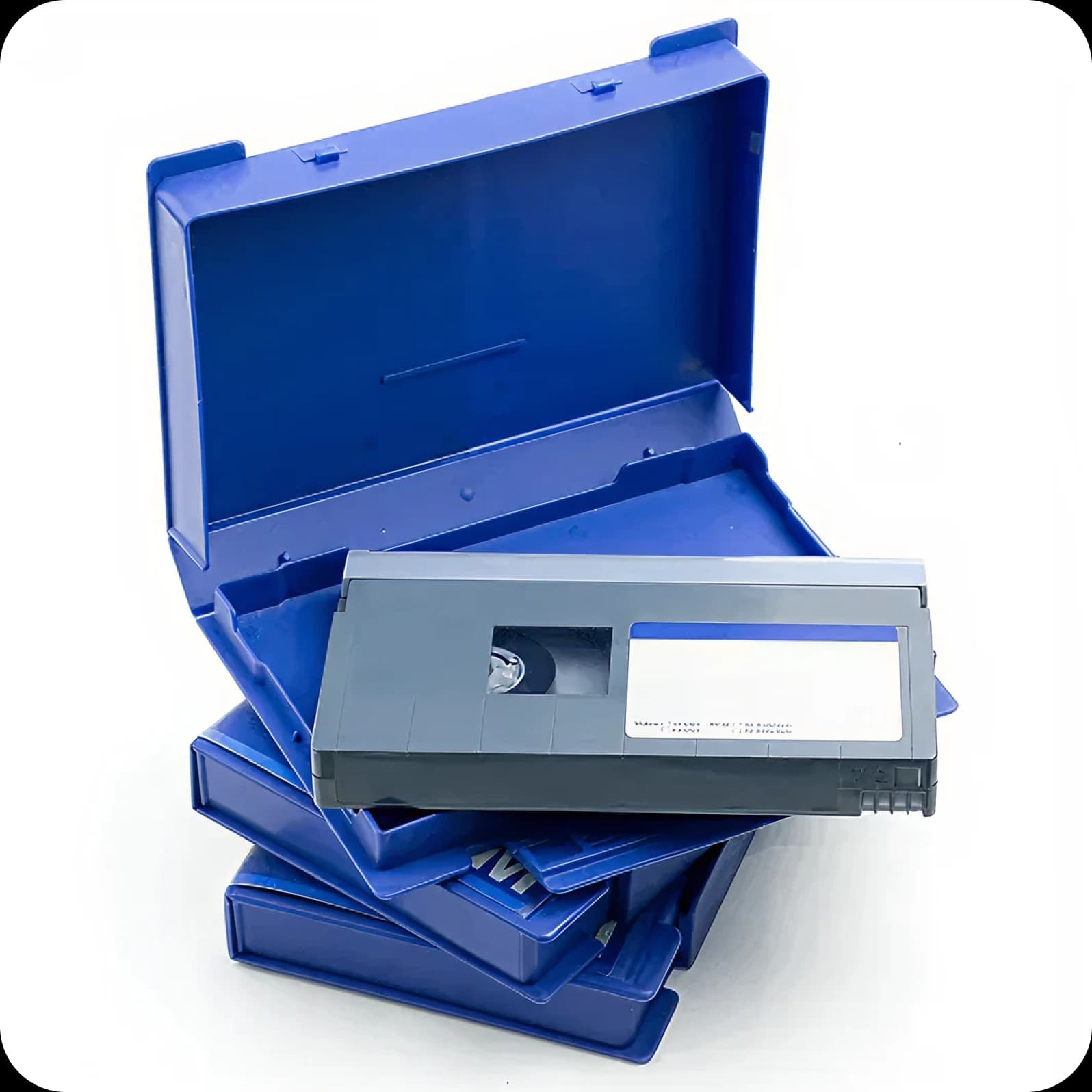
DVCAM is a professional digital video tape format developed by Sony and introduced in 1996. Designed as an enhanced version of the consumer DV format, DVCAM was created to meet the reliability and quality demands of broadcast, corporate, and professional video production.
DVCAM tape lifespan
DVCAM tapes typically have a lifespan of around 20–30 years when stored under proper conditions. Factors such as temperature, humidity, storage environment, and playback frequency can significantly affect longevity.
§ 03 — The tape family
The DV tape family
DVCAM, MiniDV and DVCPRO share one technology across several shell sizes, drawn here to scale.
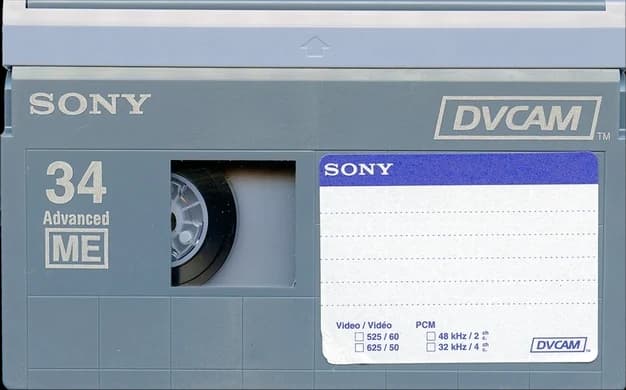
DVCAM (L)
125×78 mm
StandardMini DVCAM (S)
66×48 mm
Mini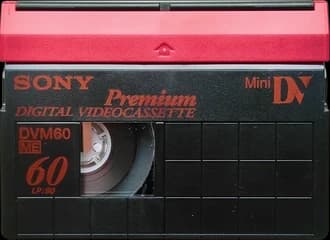
MiniDV
66×48 mm
Consumer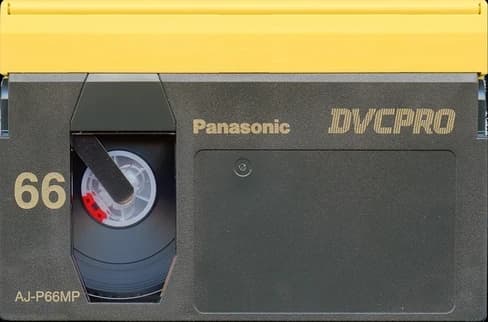
DVCPRO (M)
97.5×64.5 mm
PanasonicDVCPRO (XL)
172×102 mm
Panasonic
Roughly to scale (shell width × height, in mm)
§ 04 — Understanding DVCAM Tape Sizes
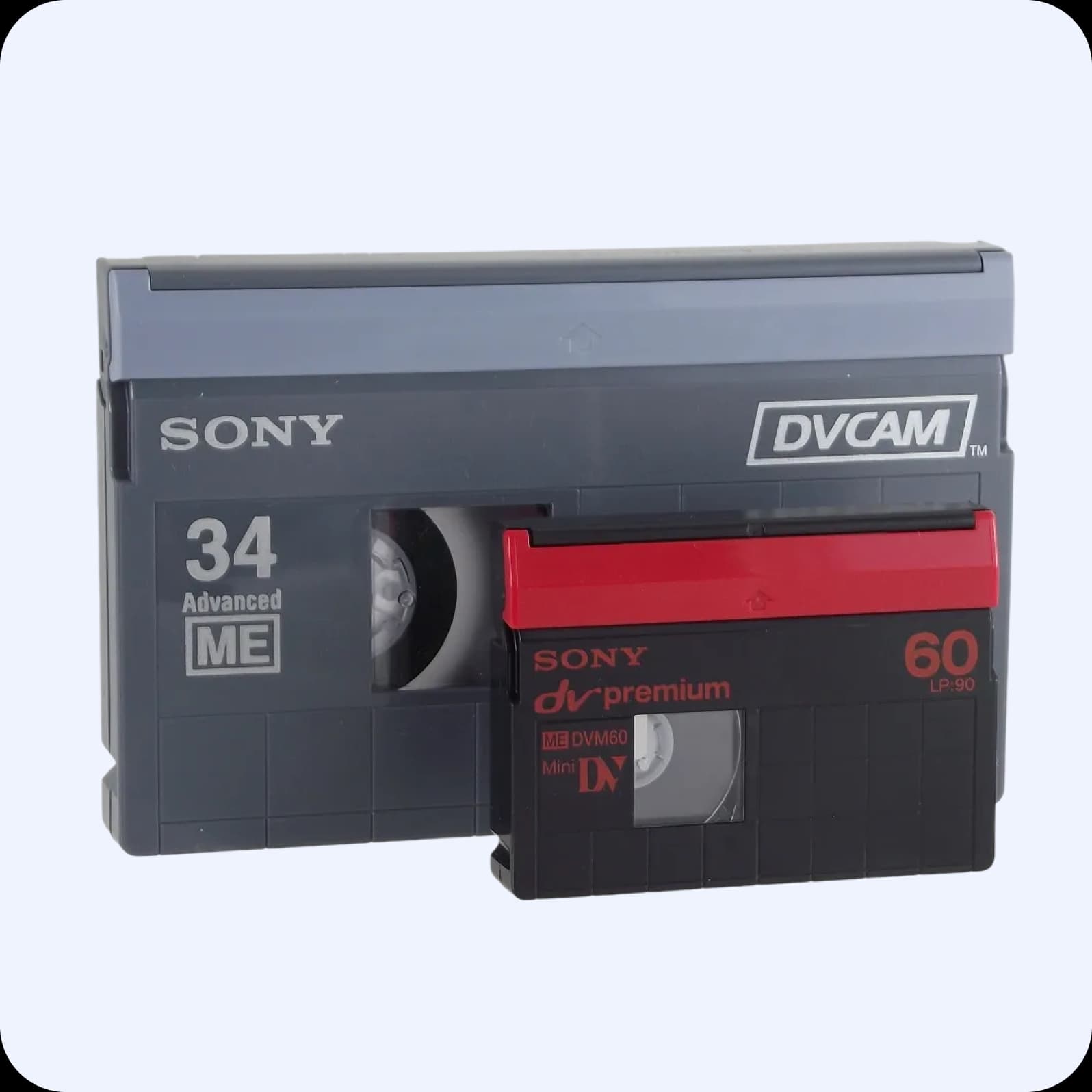
Two Physical Sizes of DVCAM Tapes
DVCAM Tape Sizes
DVCAM is available in two physical sizes, both using the same recording format and technology:
-
Standard (Large) DVCAM: Used mainly in professional studio decks and broadcast equipment. It offers longer recording times and was commonly found in television stations and production houses.
-
Mini DVCAM: Physically the same size as MiniDV tapes, designed for professional camcorders. Despite the smaller size, it records in full DVCAM format and was widely used for field recording and news gathering.
§ 05 — Comparing DV, DVCAM, and MiniDV
Key Differences Between DV, DVCAM, and MiniDV Formats
What are the differences?
DV, DVCam, and MiniDV are closely related Sony digital video formats. DV was the original format, later followed by MiniDV, which offered the same technology in a smaller cassette. In 1996, Sony introduced DVCam as a professional version, using the same tape and compression but with faster tape speed for improved quality and more precise editing.
§ 06 — What are the benefits of digitising videotapes?
DVCAM Memories Back to Life
DVCAM camcorders and decks are getting hard to find, and the tape degrades over time. Digitise while it still plays, and watch on any phone, computer or TV.
Tape Revival
HK$400/ tape
One flat price per tape, whatever its length, delivered as MP4. Covers standard and mini DVCAM.
If a tape has mould or is broken, we inspect it and quote for cleaning and repair first.
Capture · Our team
Any Questions?
Feel free to contact
our Memory Specialists
Not sure what format you have or how best to handle it? WhatsApp us and one of the team will take a look.
WhatsApp us