Thick, tough and roomy, CompactFlash was the professional photographer’s card for over two decades. Many wedding and event originals still live on old CF cards.
- released year
- 1994
- inventor
- SanDisk
- Storage capacity
- Up to 512 GB
- Dimensions
- 43 × 36 mm
- Output file format
- JPG / MP4
- Types
- Type I · Type II
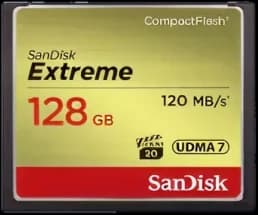
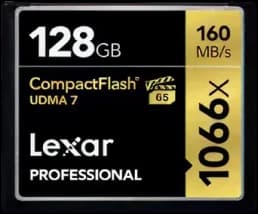
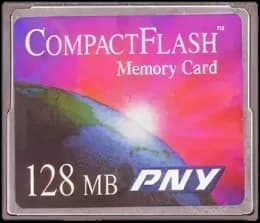
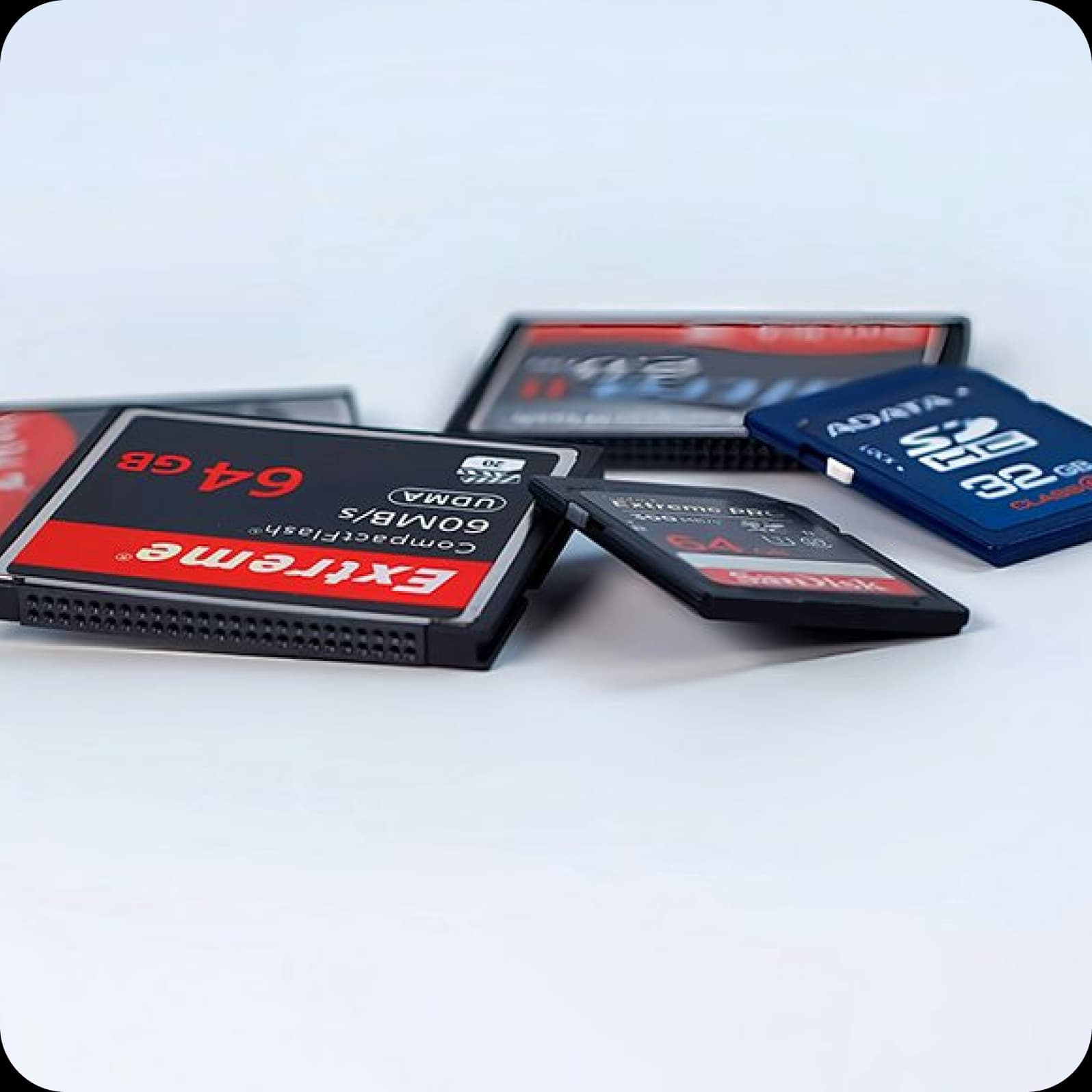
Fig. 1 — CompactFlash cards from several brands
§ 01 — Timeline
A short life of CompactFlash
 1994
 1999
 2008
 Today
1994 · 1 / 4
SanDisk launches CF
SanDisk specified and made the first CompactFlash cards, 43 × 36 mm, when digital cameras were still in their infancy.
§ 02 — Learn more about CompactFlash
CompactFlash
What is CompactFlash?
CompactFlash (CF) cards are one of the earliest and most influential removable storage formats in the history of digital photography. Introduced in 1994 by SanDisk, CompactFlash was designed to provide reliable, high-capacity, and high-performance storage for professional and industrial digital devices at a time when digital cameras were still in their infancy.
§ 03 — The card family
Memory cards through the years
Memory cards from every era, drawn to scale. Capture can read and transfer every one of them.
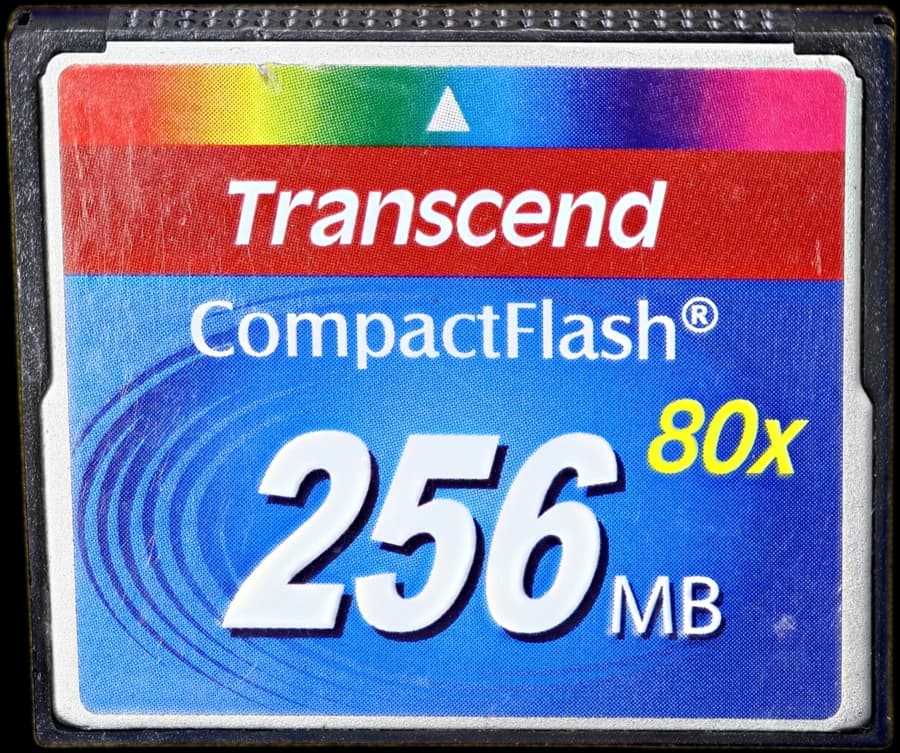
CompactFlash
43×36 mm
This page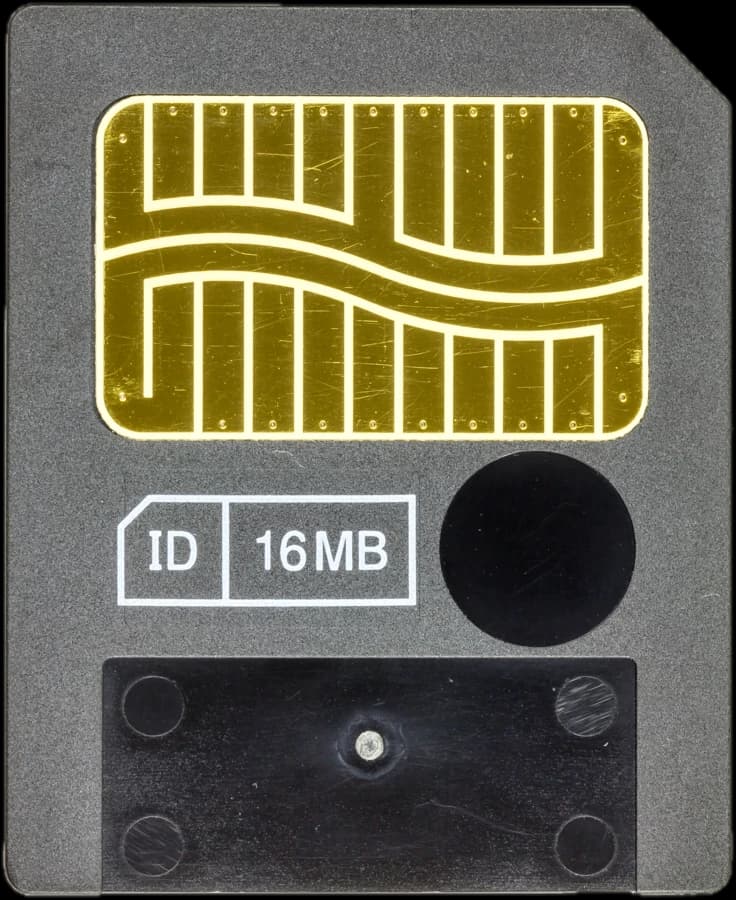
SmartMedia
45×37 mm
Early cameras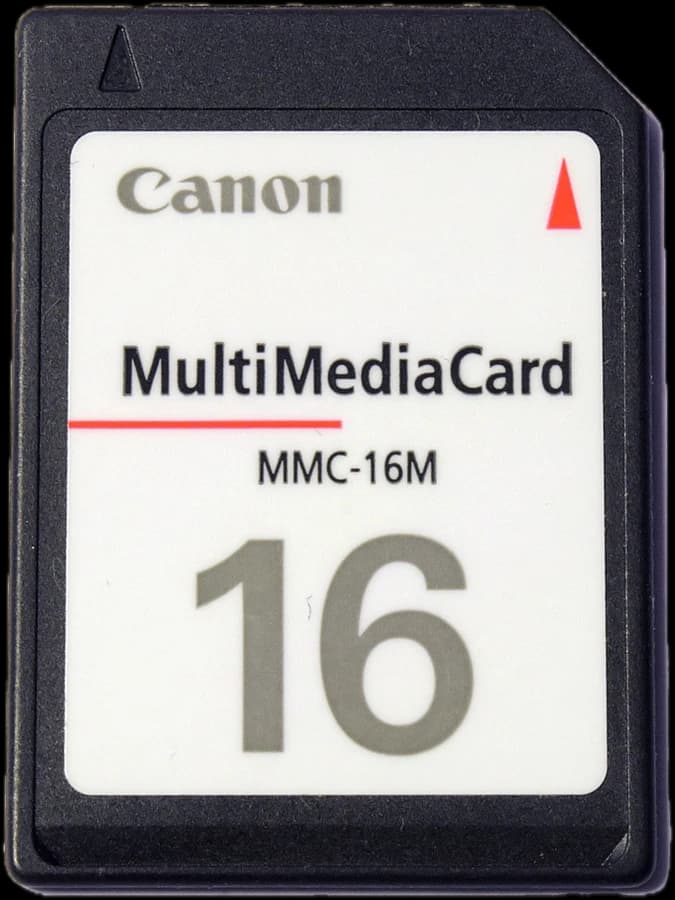
MMC
32×24 mm
Phones · MP3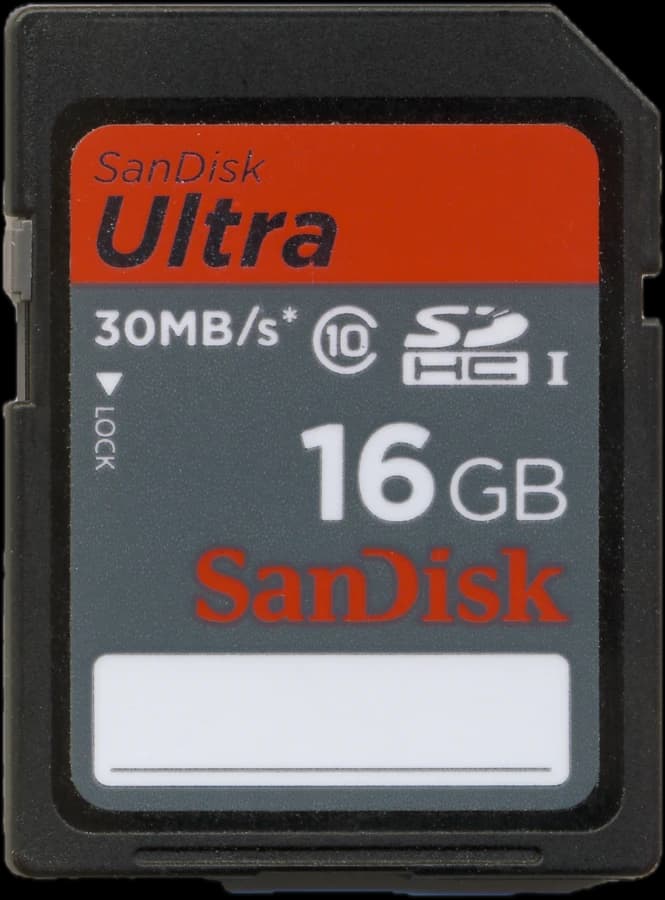
SD
32×24 mm
Most common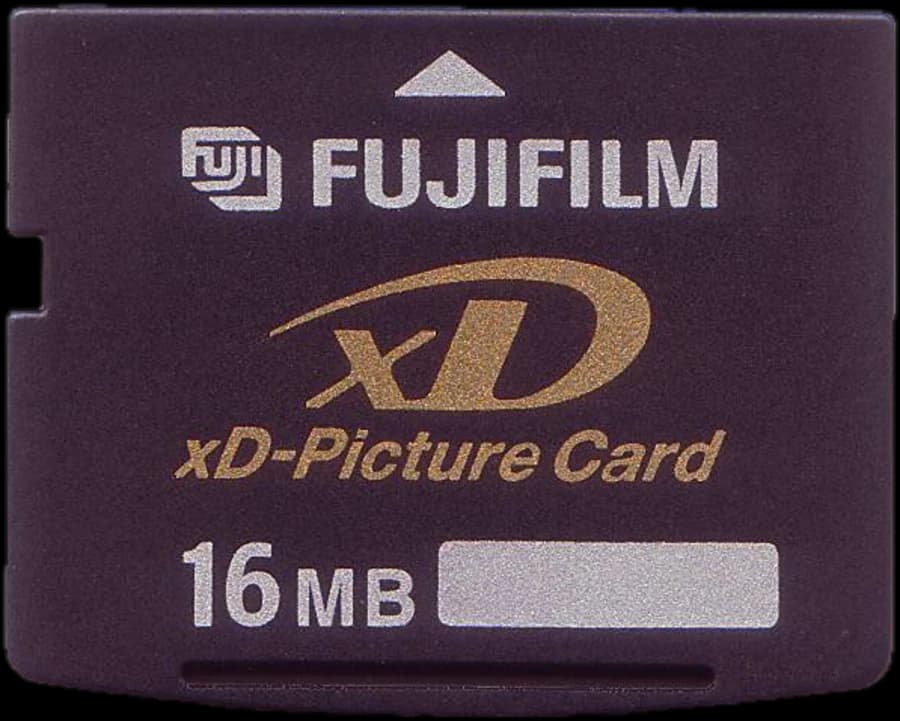
xD-Picture
25×20 mm
Olympus · Fuji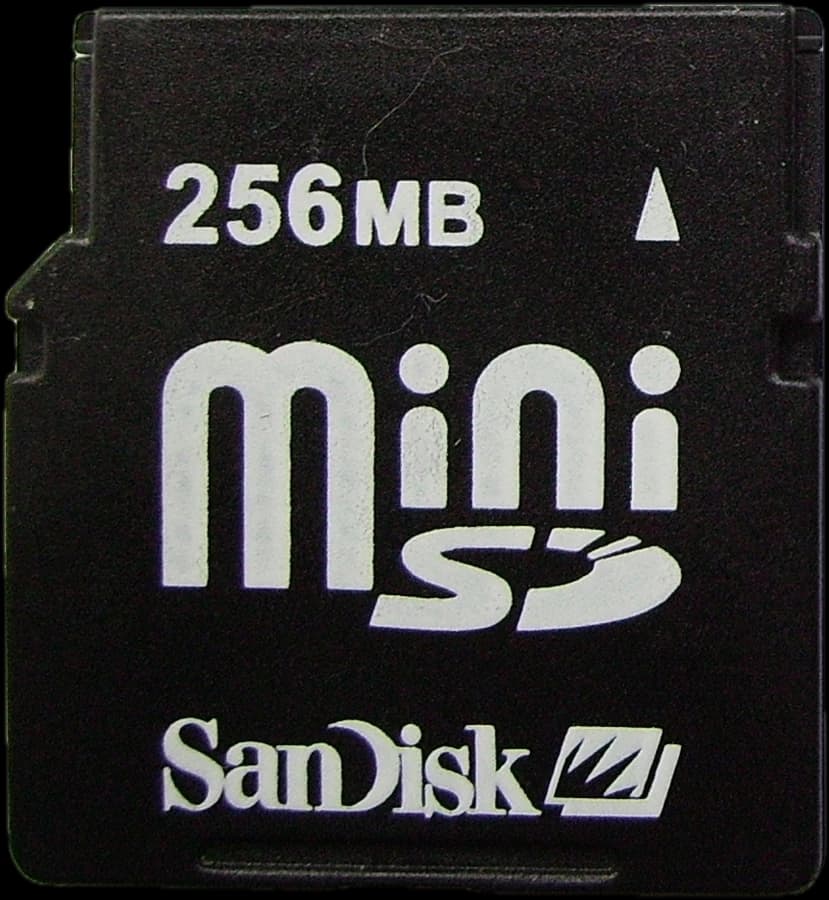
miniSD
21.5×20 mm
Phones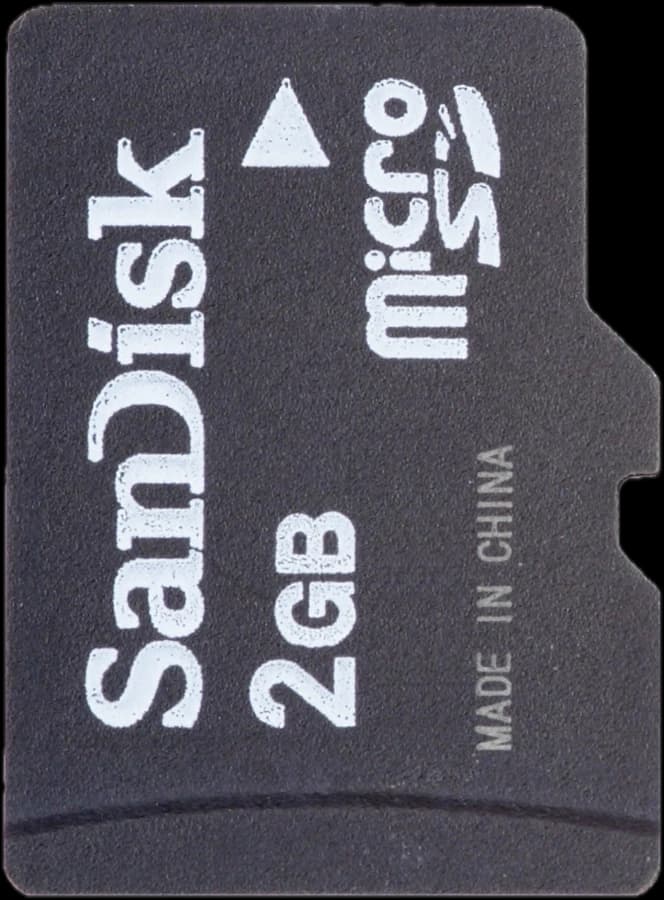
microSD
15×11 mm
Phones
Roughly to scale (length × width, in mm)
Photos via Wikimedia Commons: CompactFlash — Mister rf (CC BY-SA 4.0) · SmartMedia — Raimond Spekking (CC BY-SA 4.0) · MMC — Multicherry (CC BY-SA 4.0) · SD — Jacek Halicki (CC BY-SA 4.0) · xD-Picture — Qurren (CC BY-SA 3.0) · miniSD — Bvankuik (Public domain) · microSD — Afrank99 (CC BY-SA 3.0)
§ 04 — 2 different types of CompactFlash
Types of Compact Flash
How many types of CompactFlash are there?
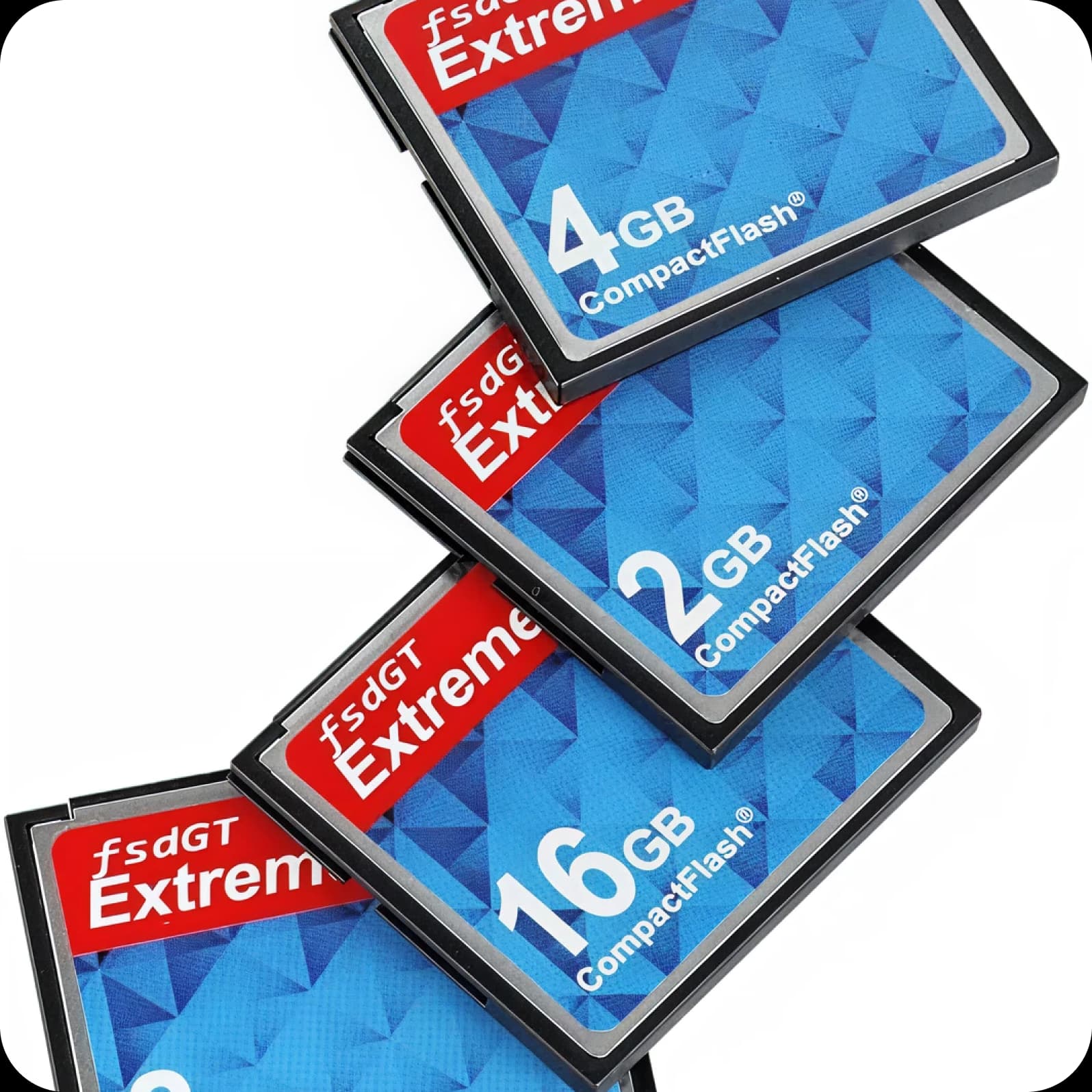
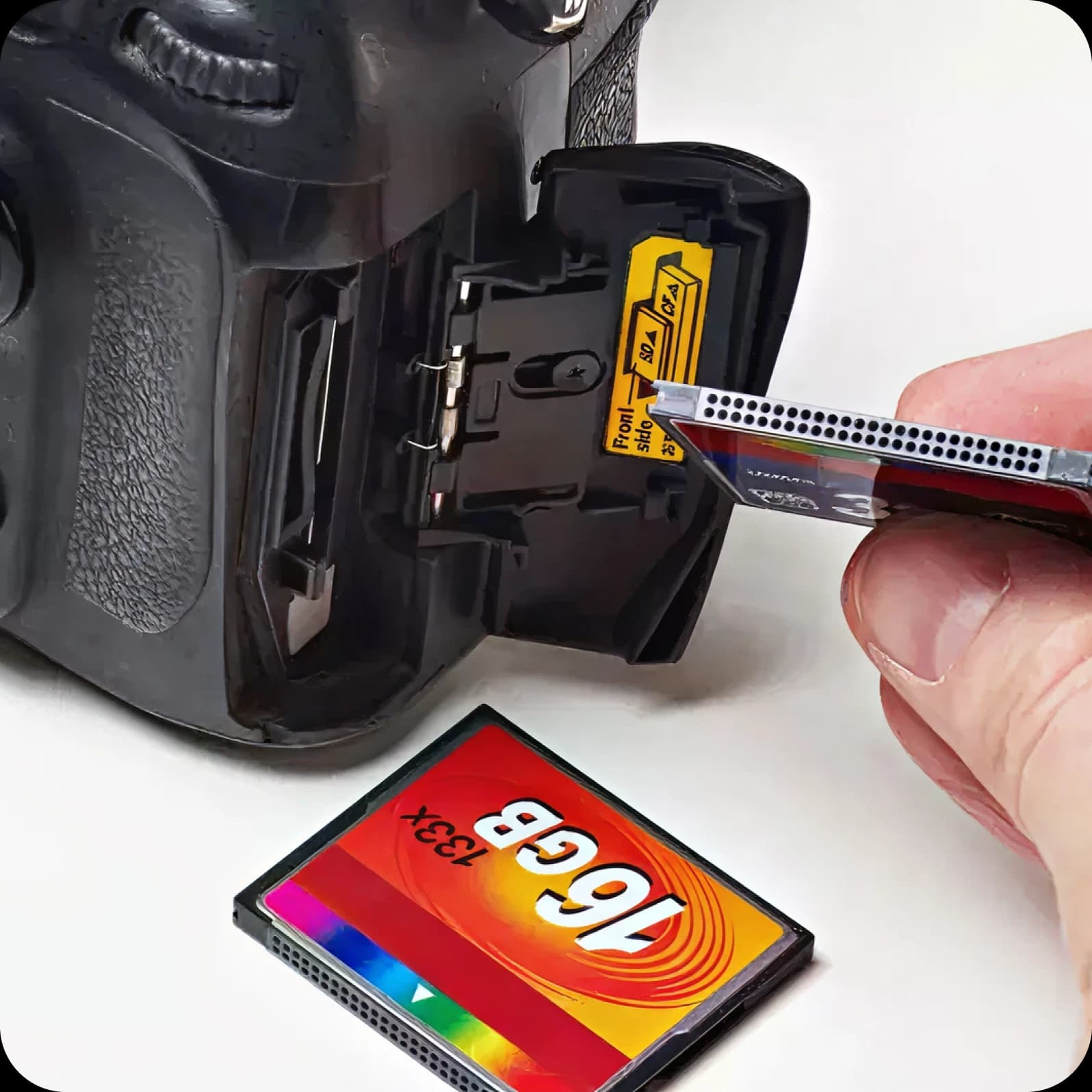
There are two types of CF cards, in varying thicknesses, to accommodate different capacities: Type I CF cards are 3.3 mm thick, and Type II CF cards are 5 mm thick. The extra thickness of Type II cards is because many of them were Microdrives—a 1-inch spinning hard drive format originally developed by IBM.
§ 05 — What are the differences?
CompactFlash vs SD Card
What’s the Difference?
CompactFlash cards are durable and were once the higher-capacity choice, though SDXC cards now exceed them. SD cards are also more widely adopted and have a smaller form factor, making them suitable for compact devices. The choice depends on your specific needs for storage capacity, speed, and device compatibility.
CompactFlash Decline
CompactFlash declined in photography as newer, faster formats like CFexpress and ever more capable SD cards took over.
§ 06 — Preserve
Still have old CF cards?
CF cards are durable, but readers and computers that support them are disappearing. Transfer the photos and videos while you still can, and view them on any phone or computer.
Memory card transfer
HK$200/ card
Priced per card. We read the photos and videos on it and transfer them to JPG and MP4.
Card unreadable or damaged? We inspect it first and do our best to recover the files.
Capture · Our team
Any Questions?
Feel free to contact
our Memory Specialists
Not sure what format you have or how best to handle it? WhatsApp us and one of the team will take a look.
WhatsApp us