MMC looks almost identical to an SD card, and it came first. Many photos and recordings from early phones, PDAs and MP3 players were saved on one.
- released year
- 1997
- inventor
- Siemens & SanDisk
- Dimensions
- 32 × 24 × 1.4 mm
- Output file format
- JPG / MP4
- Capacity
- 2 MB – 8 GB (incl. later MMCplus)
- Pins
- 7 / 13 (MMCplus)
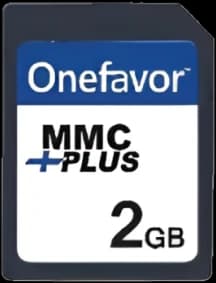
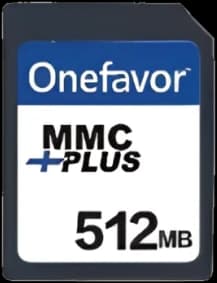
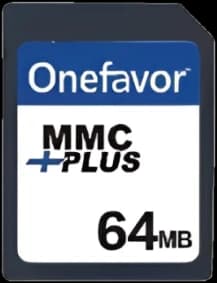
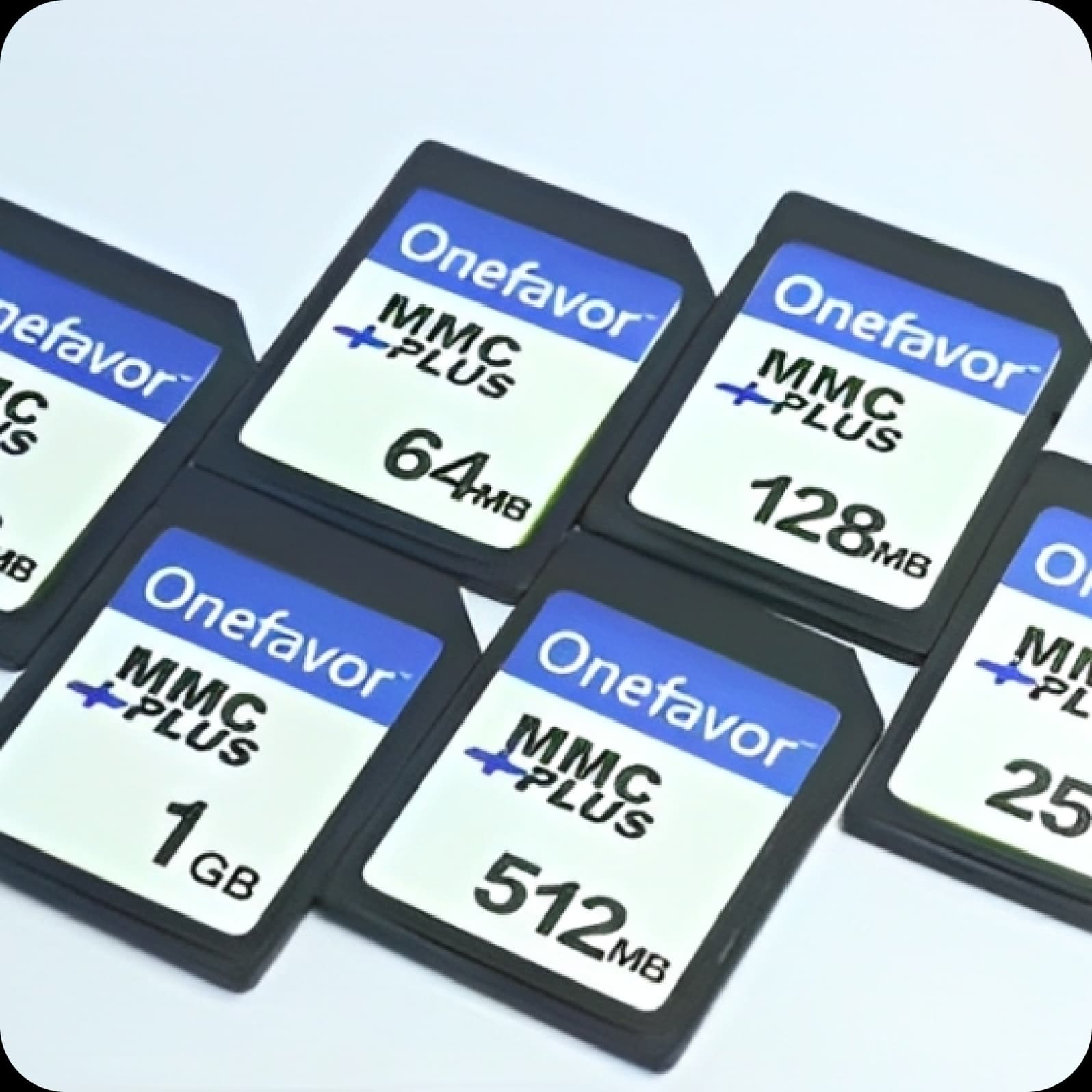
Fig. 1 — MMCplus memory cards
§ 01 — Timeline
A short life of the MMC
 1997
 1998
 1999
 2004
 2008
1997 · 1 / 5
MMC is introduced
Siemens and SanDisk introduced the MultiMediaCard, the size of a postage stamp and one of the smallest cards of its day.
§ 02 — Learn more about multimediacard
MultiMediaCard
What is a MultiMediaCard (MMC)?
The MultiMediaCard (MMC) is a flash memory card standard introduced in 1997 by Siemens AG and SanDisk. It was among the earliest portable storage solutions, widely used in digital cameras, mobile phones, PDAs, and MP3 players. Although MMC has been largely replaced by Secure Digital (SD) cards, its technology laid the groundwork for modern memory cards.
§ 03 — The card family
Memory cards through the years
Memory cards from every era, drawn to scale. Capture can read and transfer every one of them.
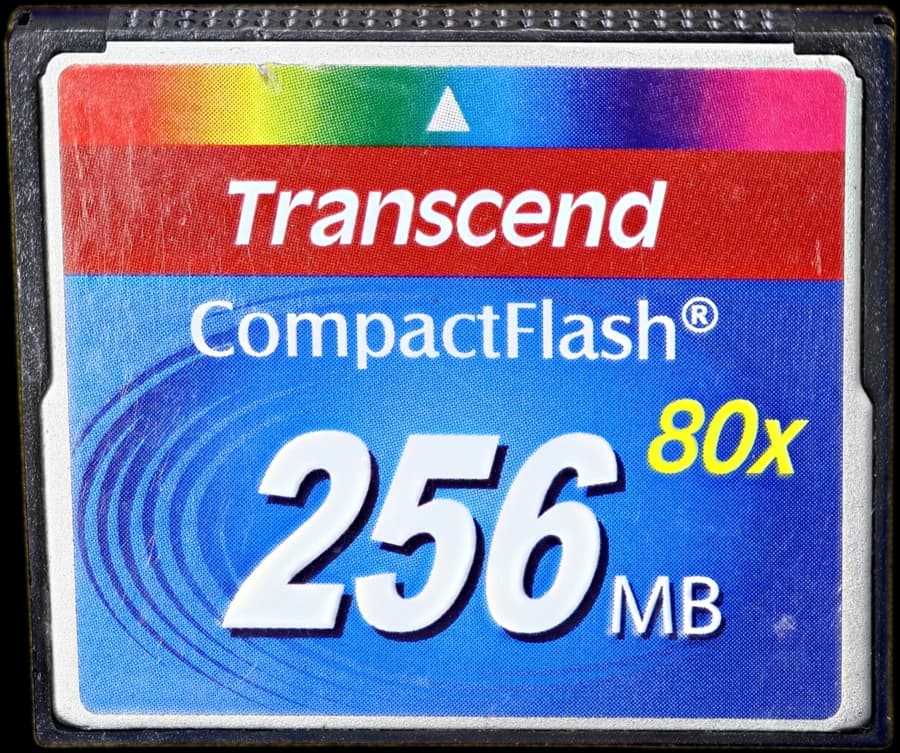
CompactFlash
43×36 mm
Pro cameras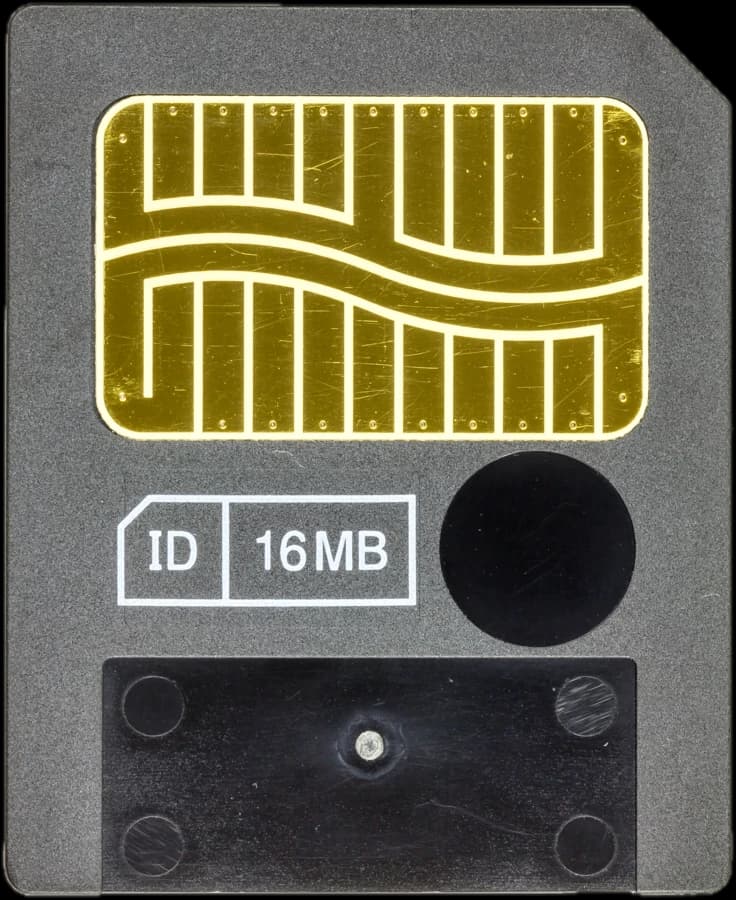
SmartMedia
45×37 mm
Early cameras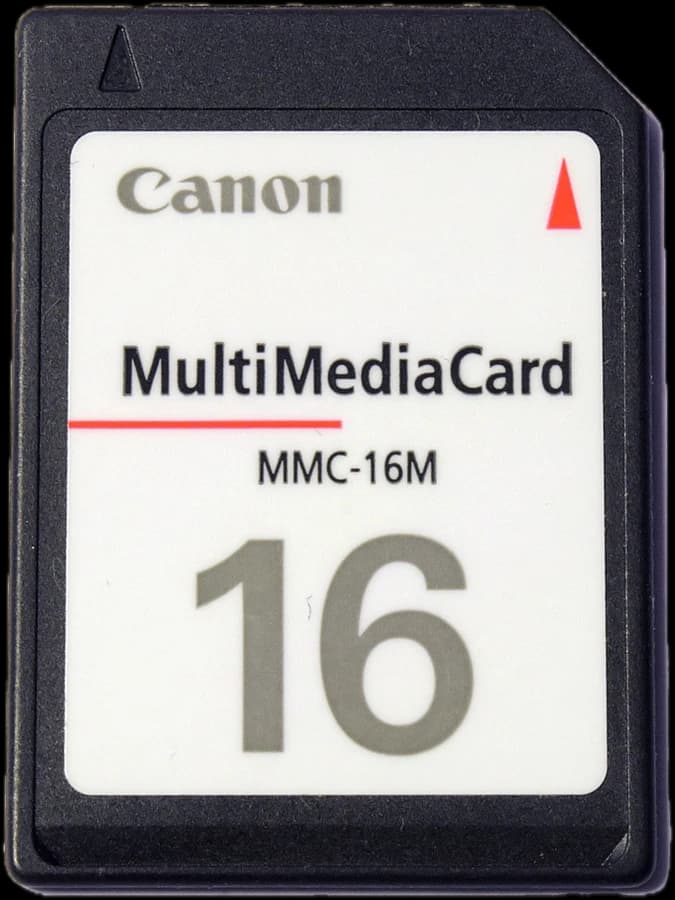
MMC
32×24 mm
This page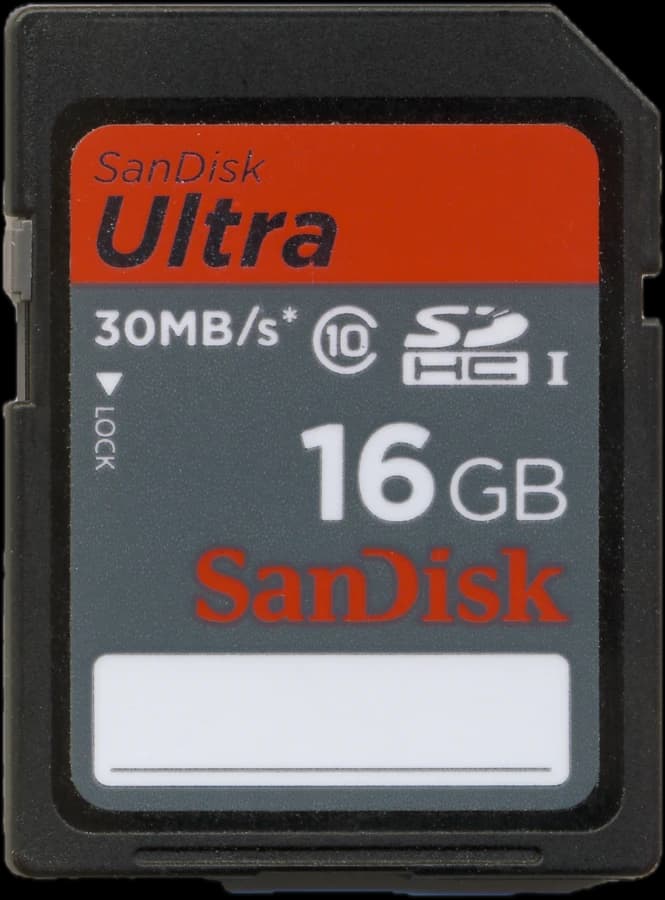
SD
32×24 mm
Most common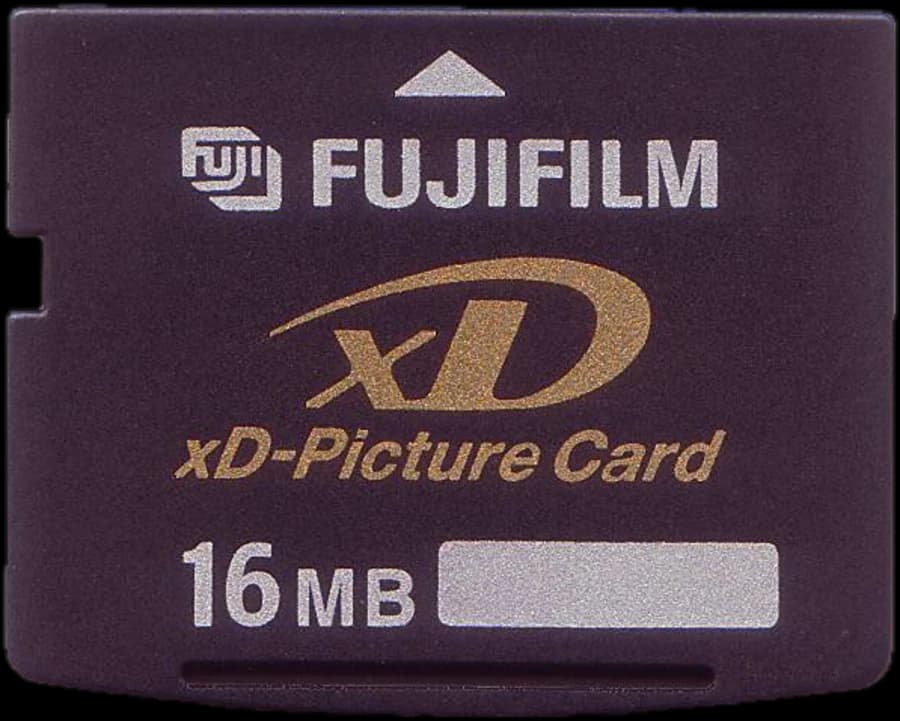
xD-Picture
25×20 mm
Olympus · Fuji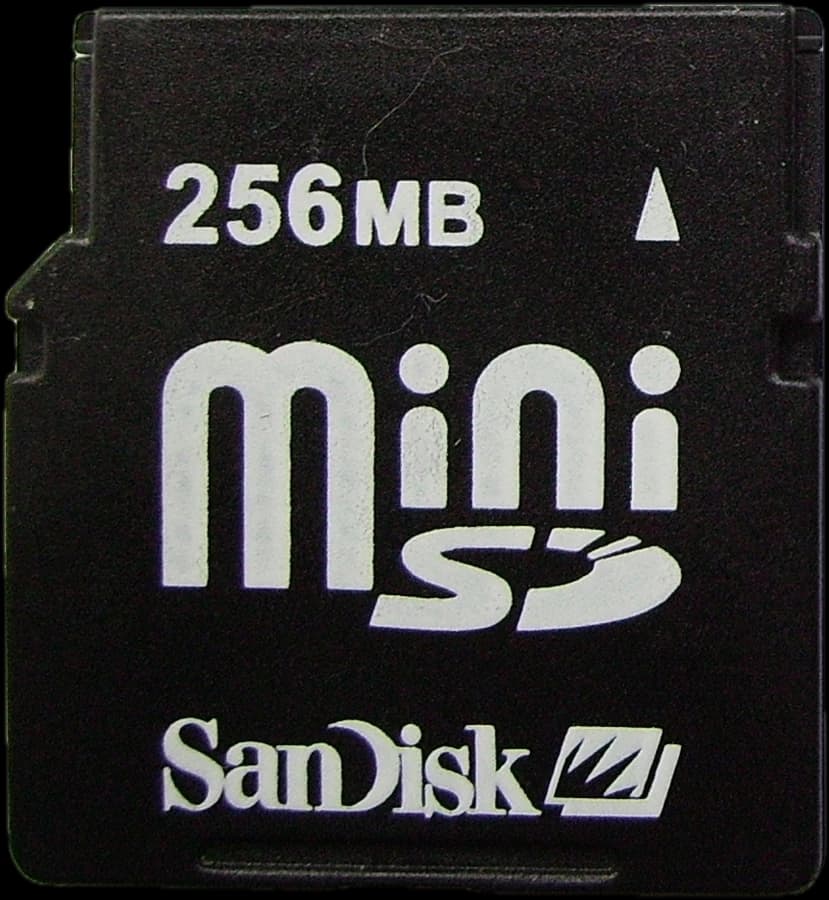
miniSD
21.5×20 mm
Phones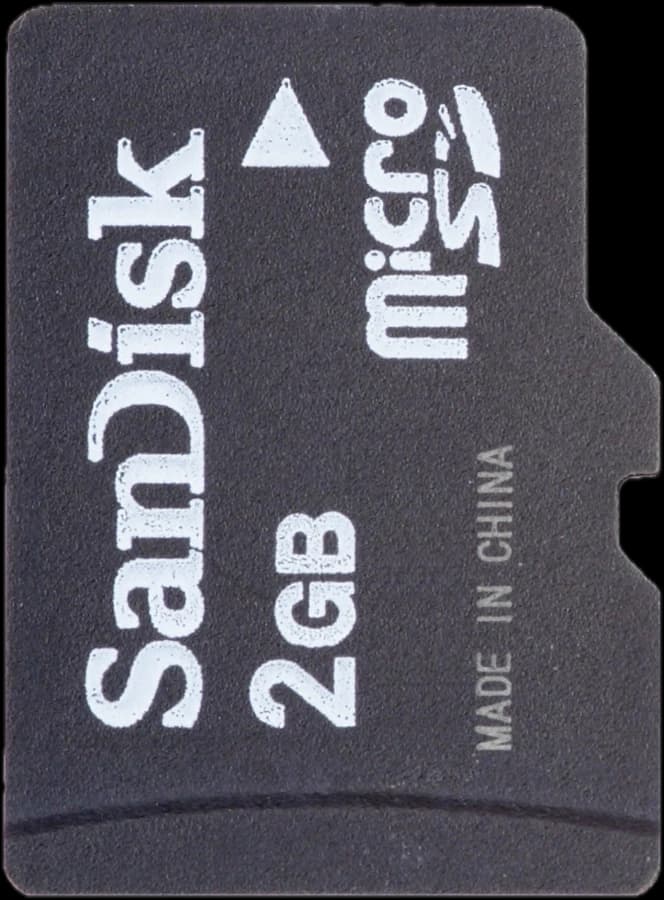
microSD
15×11 mm
Phones
Roughly to scale (length × width, in mm)
Photos via Wikimedia Commons: CompactFlash — Mister rf (CC BY-SA 4.0) · SmartMedia — Raimond Spekking (CC BY-SA 4.0) · MMC — Multicherry (CC BY-SA 4.0) · SD — Jacek Halicki (CC BY-SA 4.0) · xD-Picture — Qurren (CC BY-SA 3.0) · miniSD — Bvankuik (Public domain) · microSD — Afrank99 (CC BY-SA 3.0)
§ 04 — Advantages of MMC
The Power of MMC
Why MultiMediaCard is so Popular?
MMC was once a go-to storage solution, but it was eventually replaced by SD cards, which offered:
- Faster data transfer speeds
- More advanced security features
- Wider compatibility with modern devices
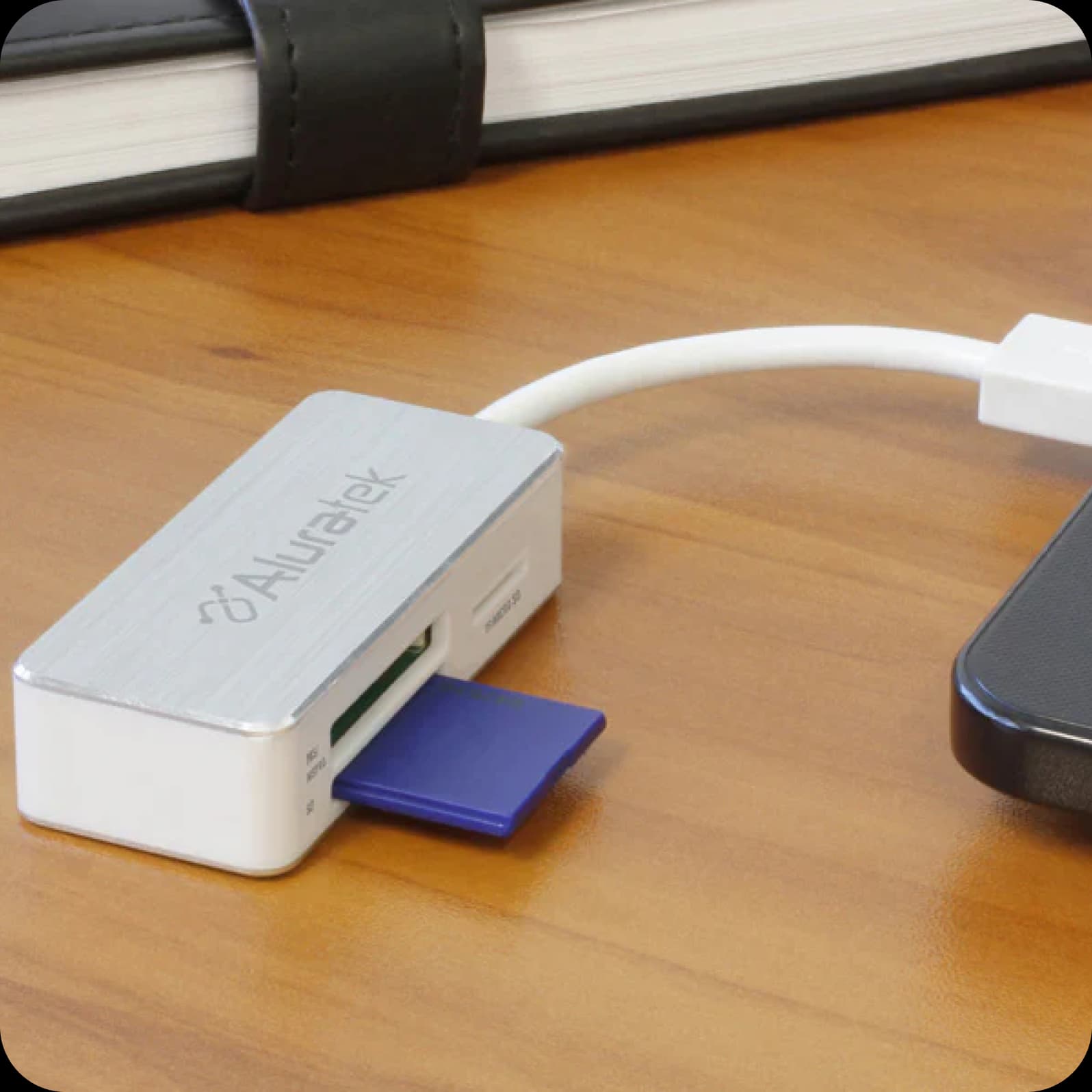
§ 05 — Which is better?
MultiMediaCard VS SD Cards
The differences between MMC & SD cards
SD cards and MMC cards both store digital data, but SD cards have a write-protect switch to prevent accidental data changes, which MMC cards lack. SD cards also offer faster data transfer speeds and higher storage capacity, with SDXC cards reaching up to terabytes, while MMC cards have lower capacity limits.
§ 06 — Modernise Your Media
The Importance of MMC Card Digitisation
Over time, MMC cards degrade and become increasingly difficult to access on modern devices.
- Prevent Data Loss: Physical storage can deteriorate over time.
- Ensure Compatibility: Many modern devices no longer support MMC.
- Convenient Access & Sharing: Convert files to modern formats for easy use.
Capture’s professional digital media digitisation service helps securely transfer and convert your MMC data into widely supported digital formats, allowing you to preserve and relive your treasured memories.
Memory card transfer
HK$200/ card
Priced per card. We read the photos and videos on it and transfer them to JPG and MP4.
Card unreadable or damaged? We inspect it first and do our best to recover the files.
Capture · Our team
Any Questions?
Feel free to contact
our Memory Specialists
Not sure what format you have or how best to handle it? WhatsApp us and one of the team will take a look.
WhatsApp us