Fingernail-sized and made for Olympus and Fujifilm cameras. If your family shot with either brand in the 2000s, old photos may still be on an xD card.
- released year
- 2002
- inventor
- Olympus & Fujifilm
- Storage capacity
- 16 MB – 2 GB
- Dimensions
- 20 × 25 × 1.78 mm
- Output file format
- JPG / MP4
- Types
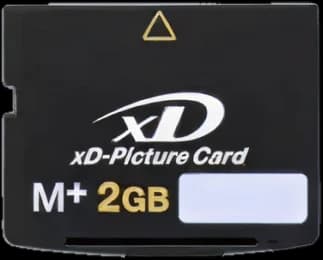
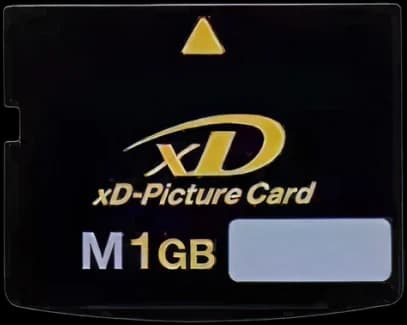
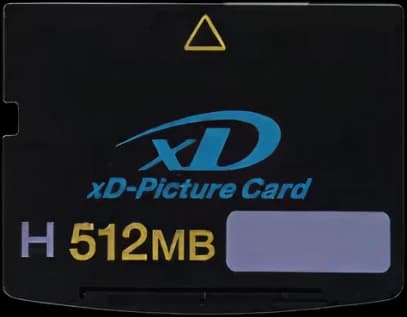
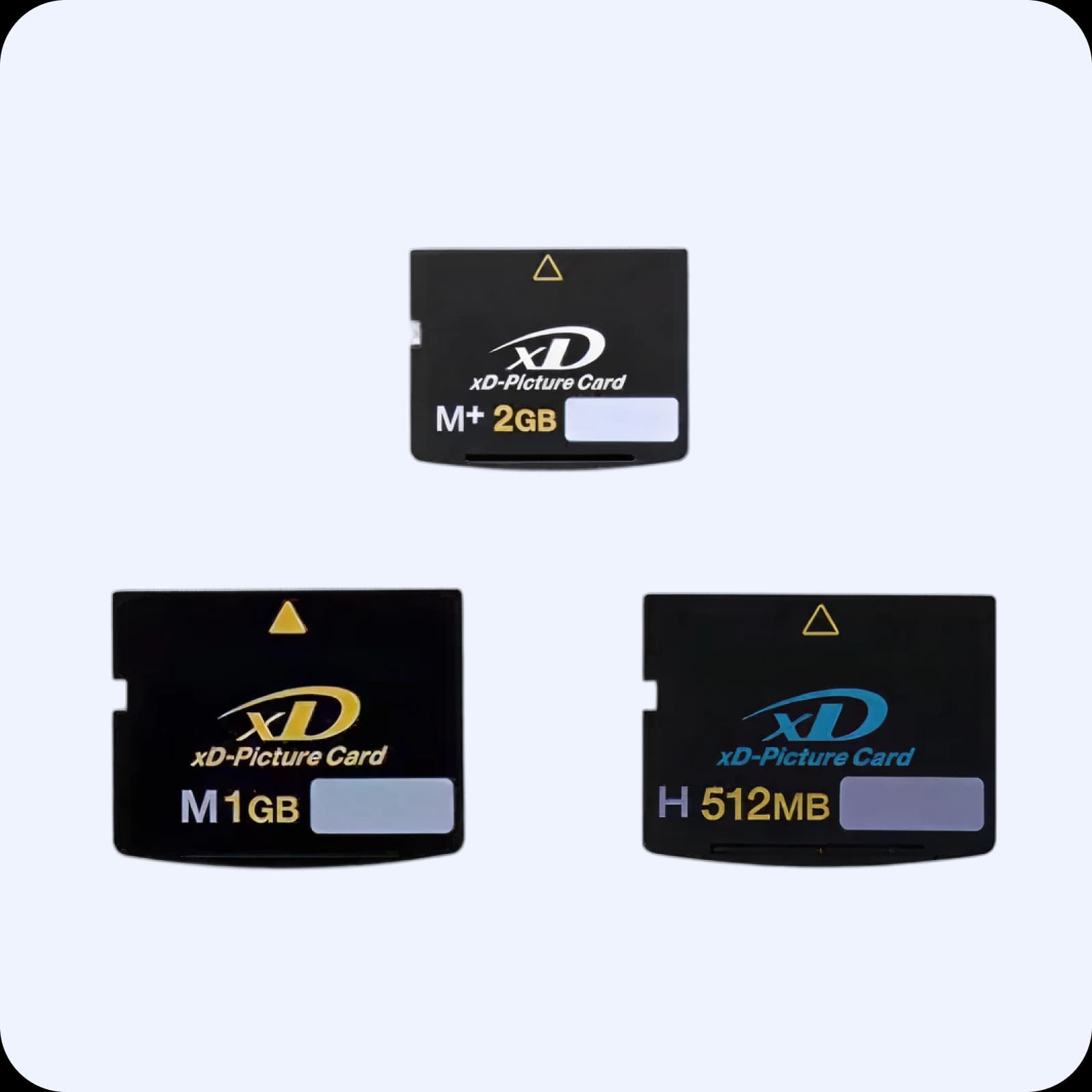
- M · H · M+
Fig. 1 — Type M+, M and H xD cards
§ 01 — Timeline
A short life of the xD card
 2002
 2005
 2008
 2009
2002 · 1 / 4
xD is born
Olympus and Fujifilm launched the xD-Picture Card in July 2002 to replace SmartMedia, one of the smallest cards of its time.
§ 02 — Learn more about xD-Picture Card
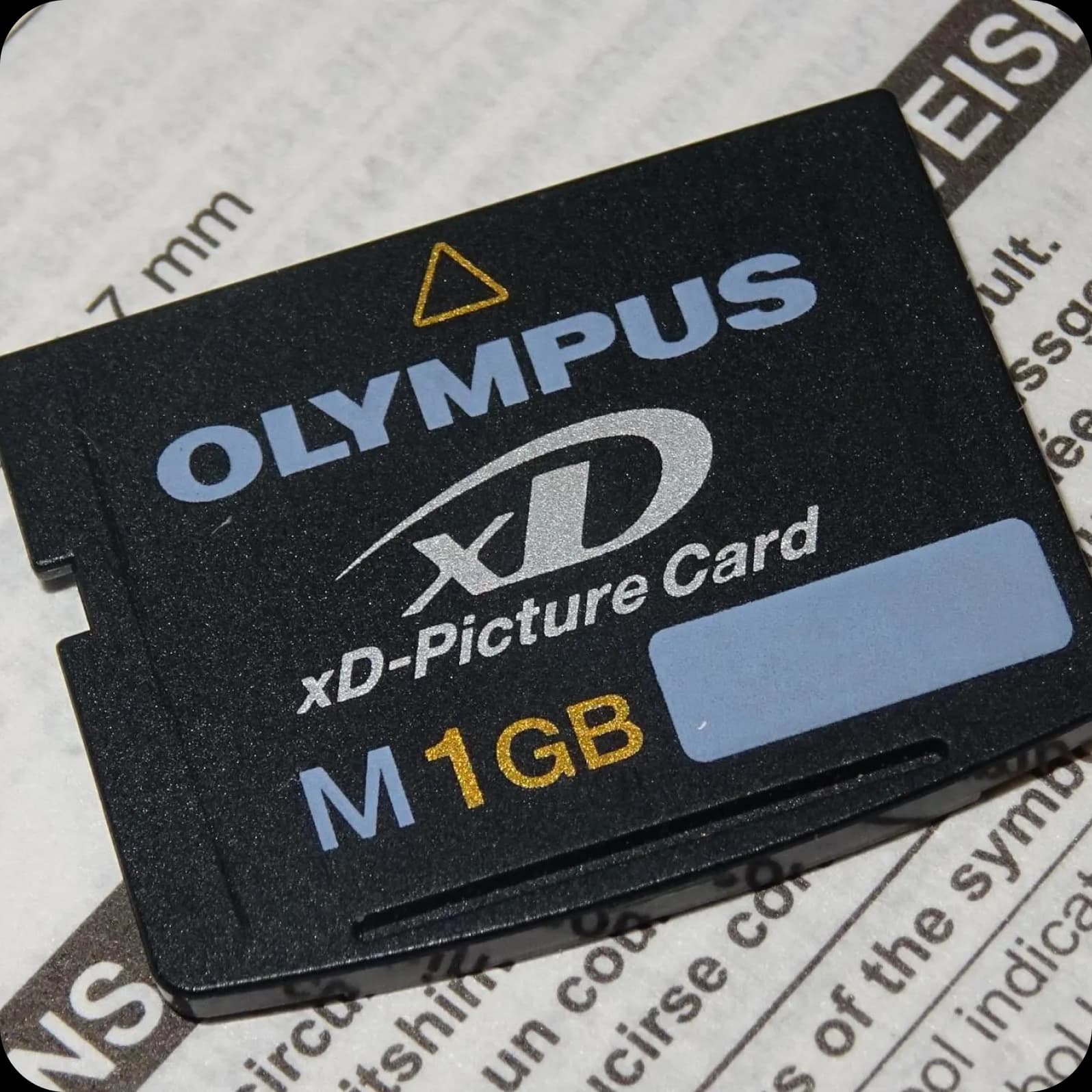
xD-Picture Card
What is xD-Picture Card?
The xD card was developed by Olympus and Fujifilm as a compact storage solution for digital cameras. Although MMC cards existed, Fujifilm wanted an even smaller format with good capacity. Released in 2002, xD-Picture cards were among the smallest digital storage devices available at the time.
§ 03 — The card family
Memory cards through the years
Memory cards from every era, drawn to scale. Capture can read and transfer every one of them.
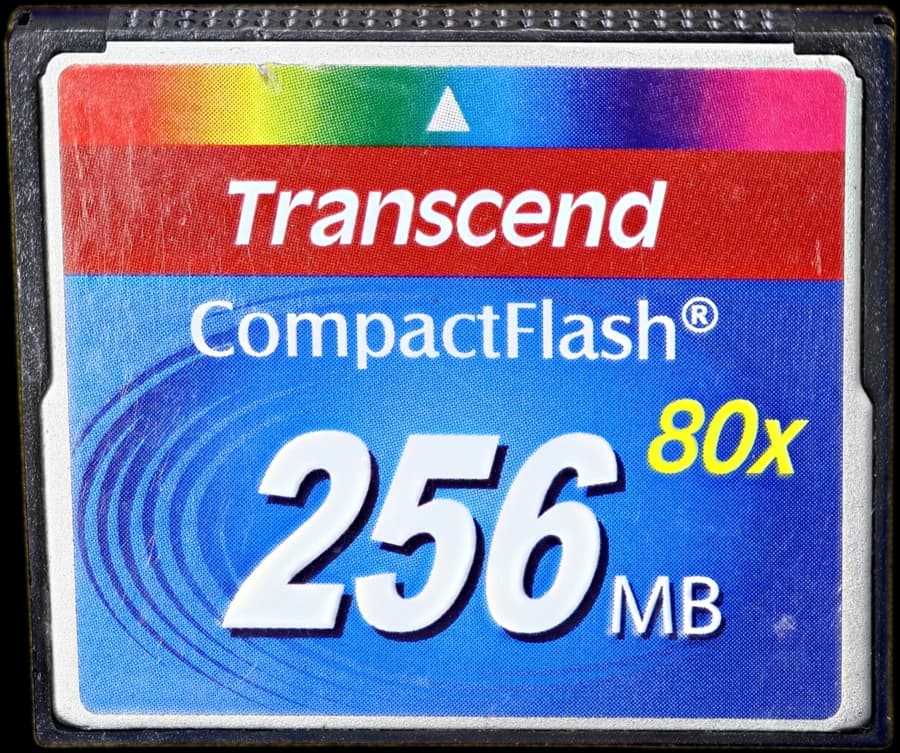
CompactFlash
43×36 mm
Pro cameras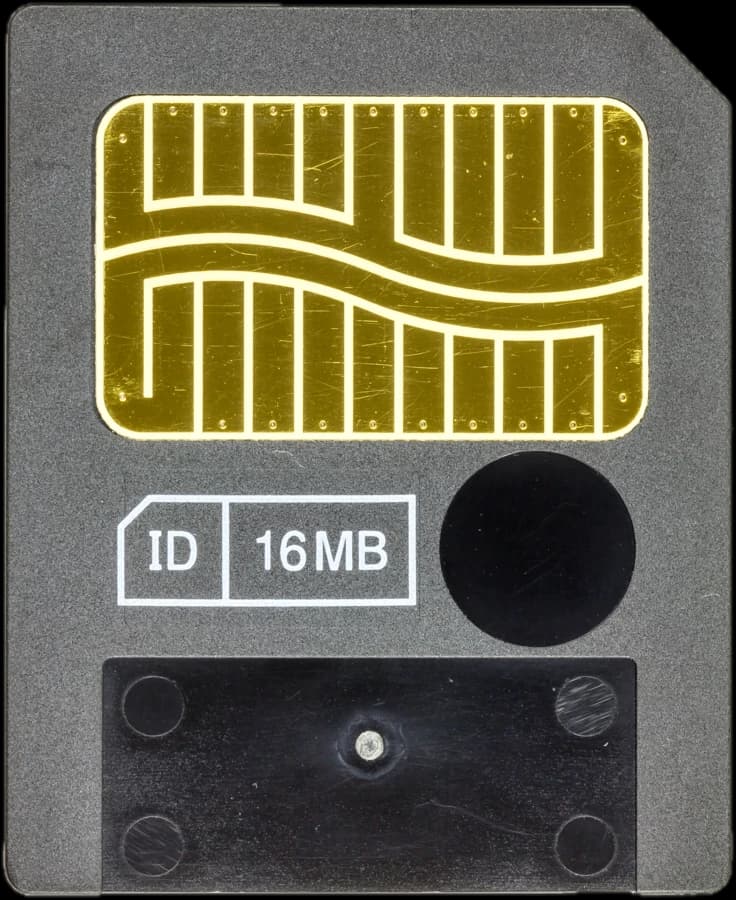
SmartMedia
45×37 mm
Early cameras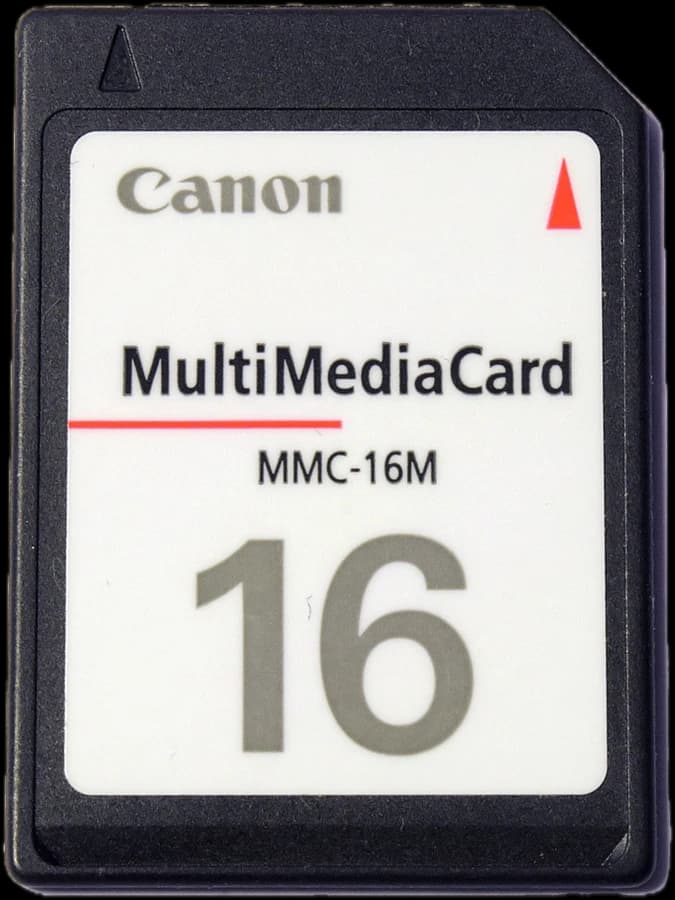
MMC
32×24 mm
Phones · MP3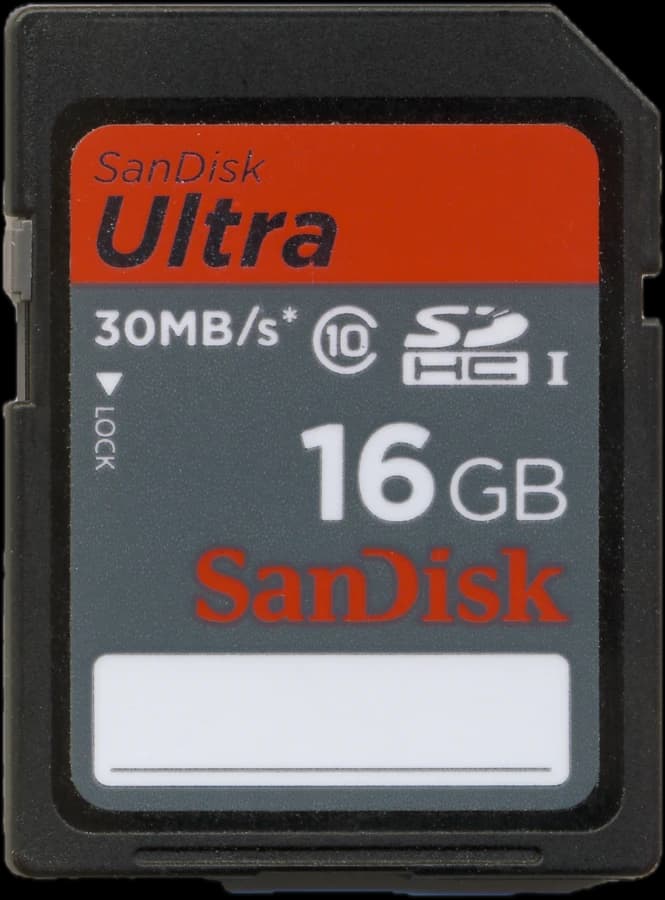
SD
32×24 mm
Most common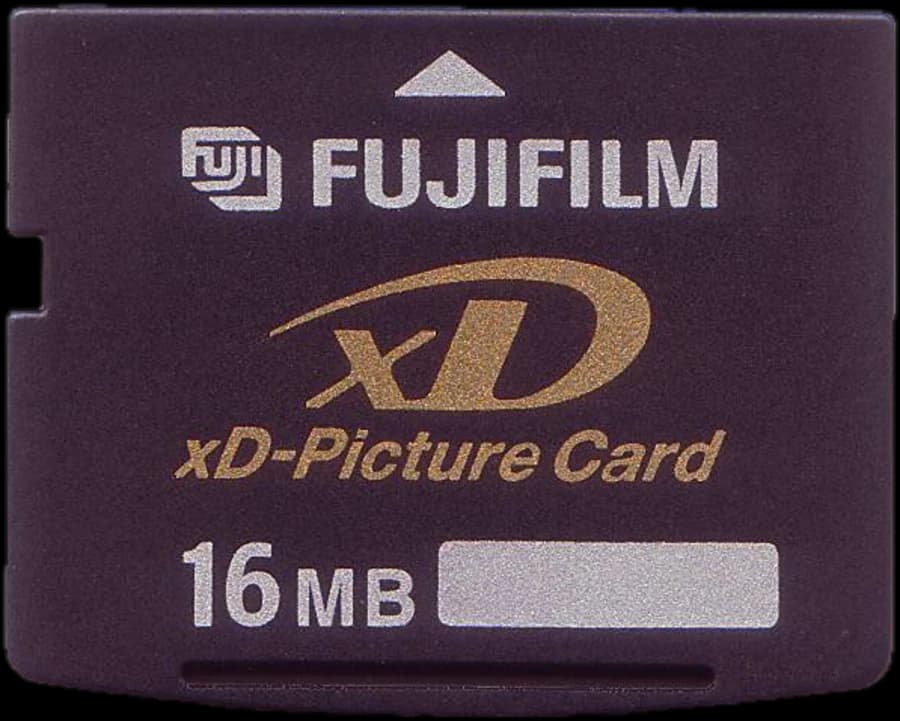
xD-Picture
25×20 mm
This page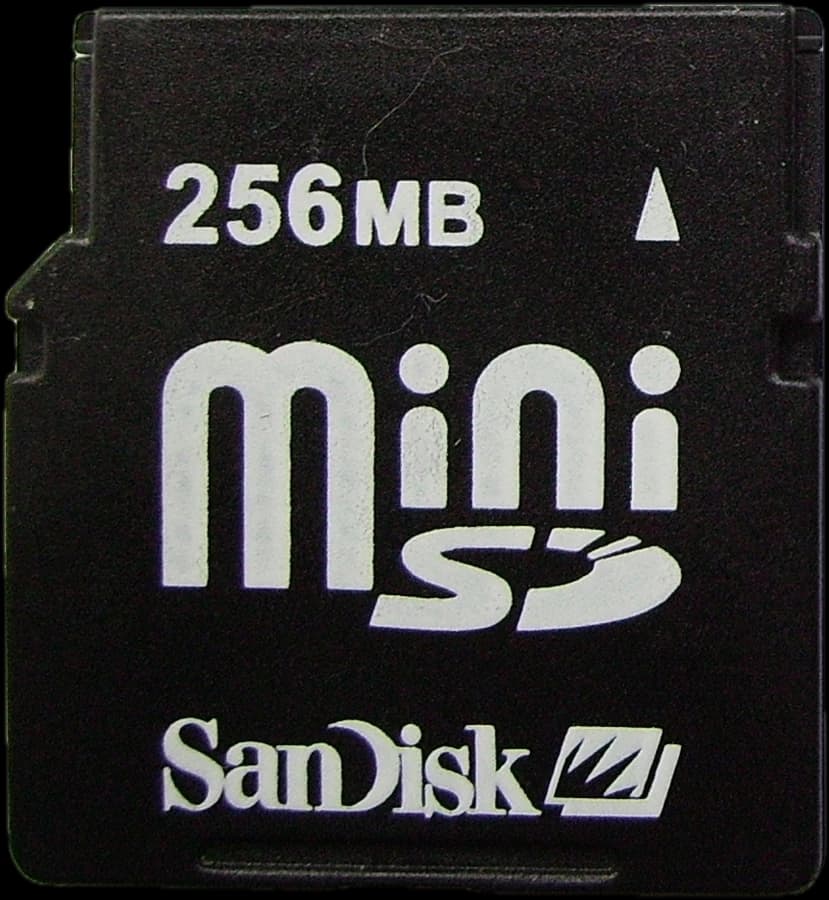
miniSD
21.5×20 mm
Phones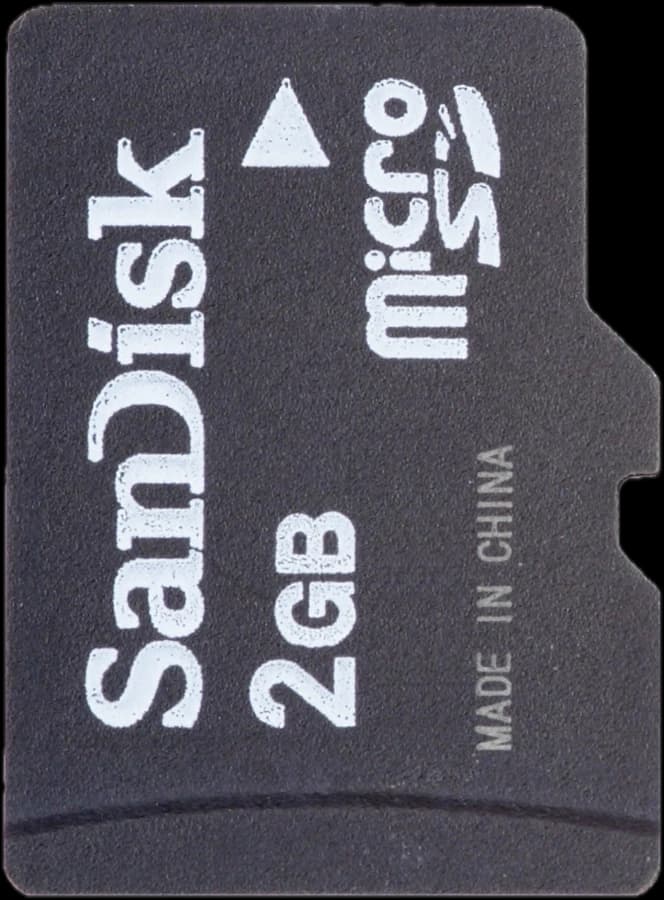
microSD
15×11 mm
Phones
Roughly to scale (length × width, in mm)
Photos via Wikimedia Commons: CompactFlash — Mister rf (CC BY-SA 4.0) · SmartMedia — Raimond Spekking (CC BY-SA 4.0) · MMC — Multicherry (CC BY-SA 4.0) · SD — Jacek Halicki (CC BY-SA 4.0) · xD-Picture — Qurren (CC BY-SA 3.0) · miniSD — Bvankuik (Public domain) · microSD — Afrank99 (CC BY-SA 3.0)
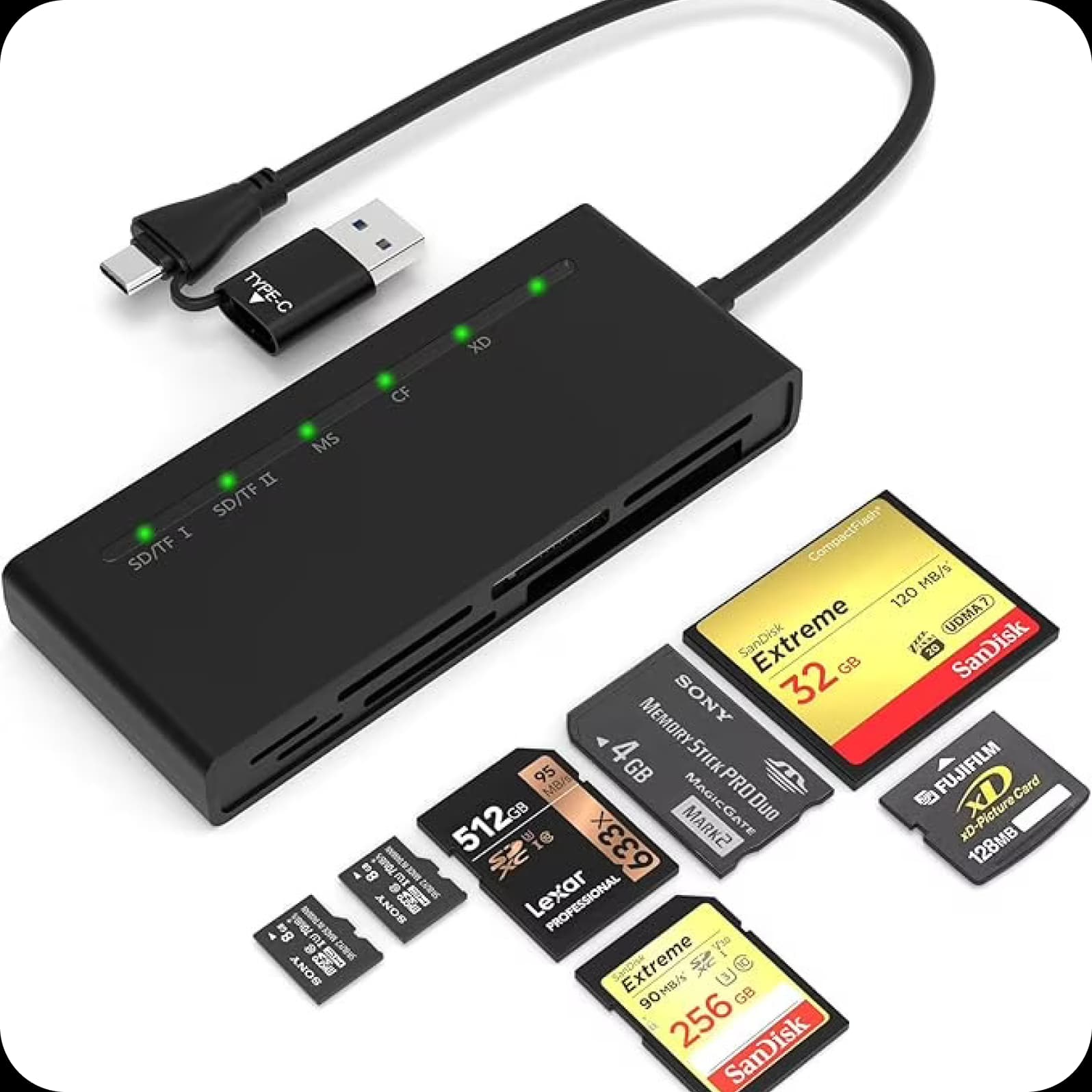
§ 04 — 3 different types of xD-Picture Cards
Types of xD-Picture Cards
How many types of xD‑Picture Cards are there?
- Standard: The original xD card, with small storage capacity and basic speed. Commonly found in very old digital cameras.
- Type H: A high-speed version of Type M, with faster read and write speeds.
- Type M / M+: Designed to store more photos. Type M+ offers better speed than earlier versions but is now discontinued.
§ 05 — What are the differences?
xD-Picture Card vs SD Card
What’s the Difference?
xD Picture Card discontinued
As SD cards became smaller, cheaper and larger in capacity, Fujifilm and Olympus moved their cameras to SD around 2009–2010, and xD was phased out.
§ 06 — Preserve
Still have old xD cards?
xD cards were discontinued years ago, and new computers and phones cannot read them. Transfer the photos and videos while the card still works, and they are yours to view and share.
Memory card transfer
HK$200/ card
Priced per card. We read the photos and videos on it and transfer them to JPG and MP4.
Card unreadable or damaged? We inspect it first and do our best to recover the files.
Capture · Our team
Any Questions?
Feel free to contact
our Memory Specialists
Not sure what format you have or how best to handle it? WhatsApp us and one of the team will take a look.
WhatsApp us